Indian Oil Firms Suffer Rs 30,000 Crore Loss Amid Global Crisis


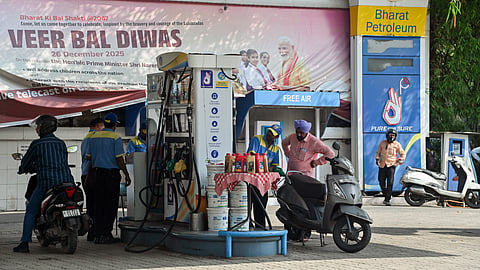
India's state-run oil marketing firms, including Indian Oil Corporation Ltd (IOC), Bharat Petroleum Corporation Ltd (BPCL), and Hindustan Petroleum Corporation Ltd (HPCL), have incurred substantial losses estimated at ₹30,000 crore since mid-March. This financial impact arises from their decision to maintain retail fuel prices despite a 50 per cent increase in input costs linked to a significant global energy disruption.
Since the onset of the West Asia conflict, which escalated on February 28, triggering military actions by the United States and Israel against Iran, the nation has seen a spike in demand for petrol, diesel, and liquefied petroleum gas (LPG). The Strait of Hormuz, a critical maritime corridor for approximately 90 per cent of India's energy imports, faced disruptions that led to panic buying among consumers. Despite these challenges, none of the three major oil firms raised their prices during this tumultuous period.
Sources with direct knowledge indicated that, had the government not intervened by reducing excise duties—by ₹10 per litre for both petrol and diesel—the losses would have escalated to nearly ₹62,500 crore.
Brent crude oil prices had stabilised at about USD 72 per barrel before the onset of conflict. In light of the unfolding tensions, prices soared to around USD 144 per barrel as shipping risks intensified and fears of supply shortages grew. The effective absorption of the inflated oil prices by the Indian government was reported to be around ₹24 per litre for petrol and ₹30 per litre for diesel, through reductions in excise taxes.
Retail prices for petrol and diesel in India have remained stable since February 28, with petrol priced at ₹94.77 per litre and diesel at ₹87.67—contrasting starkly with other nations that saw significant price hikes. According to estimates, prices for petrol jumped by approximately 34 per cent in Spain and around 30 per cent in Japan, Italy, and Israel following the energy shock. In the UK, prices increased by 22 per cent, highlighting the varying responses to the same crisis.
Despite facing daily average losses of ₹600-700 crore due to under-recoveries—differences between input costs and what they charge consumers—Indian oil companies managed to keep their supply networks operational without any interruptions. This stability was achieved in part through emergency sourcing of crude, the need for diversifying shipping routes, and additional costs associated with heightened insurance premiums and refinery optimisations.
Sources noted that while current measures have sustained supply stability for consumers, prolonged elevated crude prices could necessitate adjustments in working capital and capital expenditure plans. However, initiatives related to refining capacity, energy security, and biofuels are expected to continue with government support.
The decision to shield consumers from rising fuel costs has demonstrated India’s distinctive approach, as other economies have pursued various methods such as price increases, rationing, or fuel caps in response to spiking global energy costs. In India, despite the global turmoil, the commitment to maintaining steady prices underscores a strategic decision focused on consumer well-being and economic stability during challenging times.

ABVP Wins Majority in Delhi University Students' Union Elections
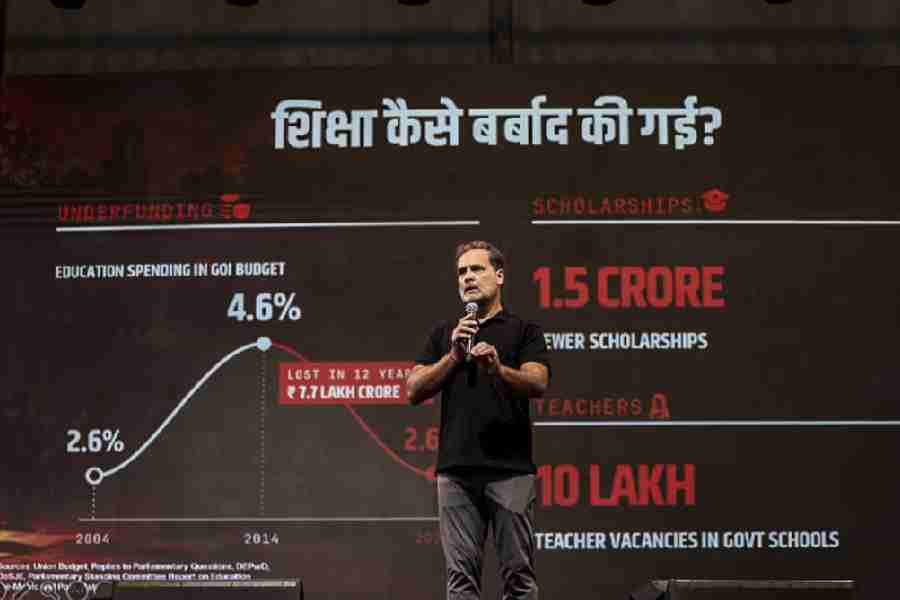
Rahul Gandhi Criticises Modi Government's Attitude Towards Students
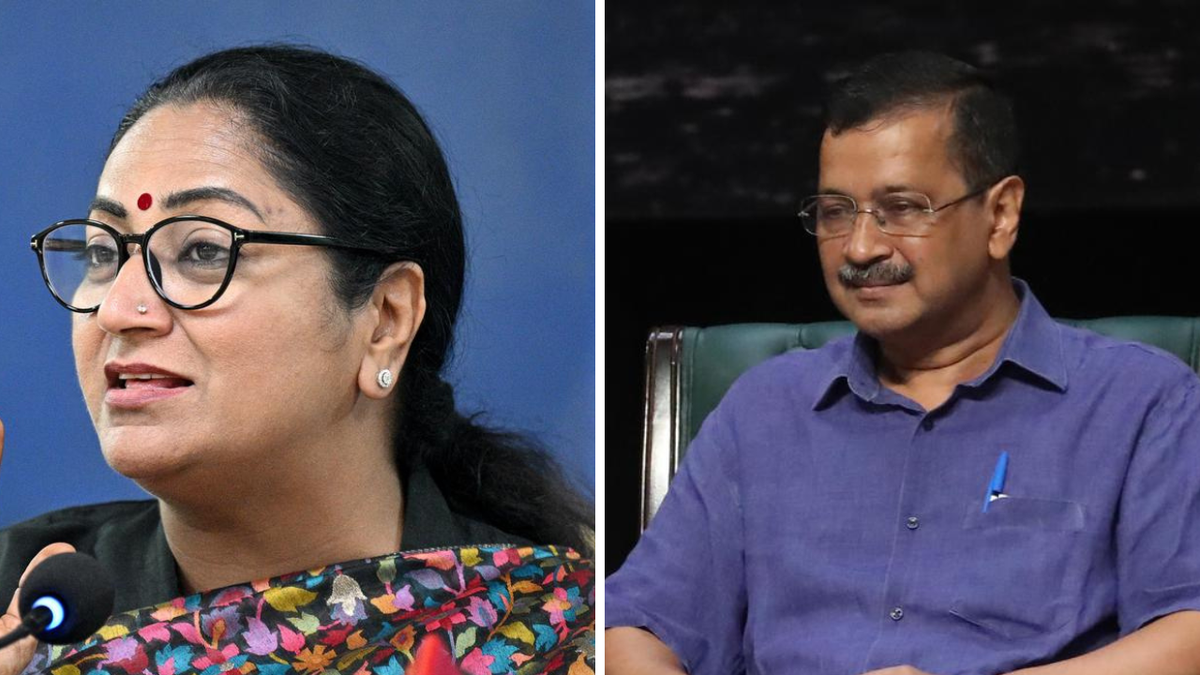
Delhi Chief Minister Faces Scrutiny Over Ongoing Notices

Former Union Minister Detained in Punjab Protest Against CM