Indian Government Clarifies PM Modi's Recent Austerity Appeals


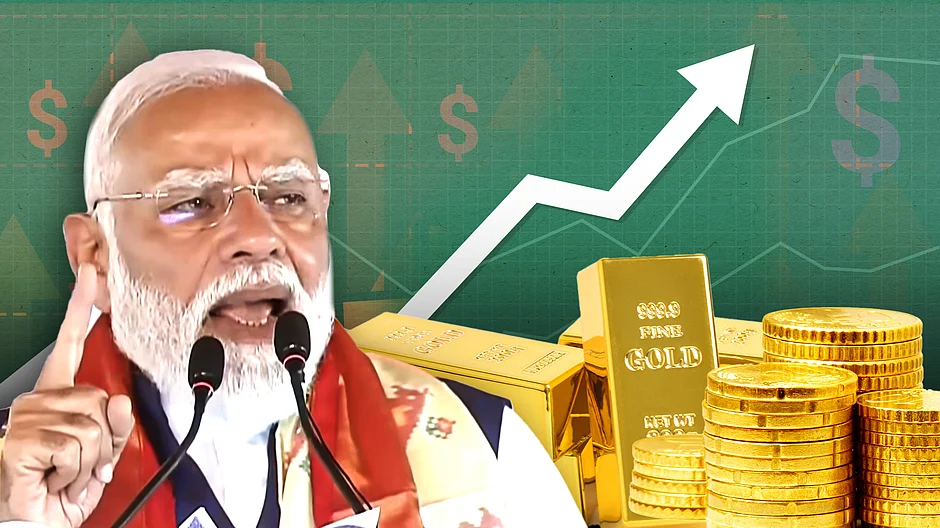
Indian Prime Minister Narendra Modi has made headlines with his recent calls for citizens to reduce spending on fuel, gold, and foreign travel. These 'seven appeals' have raised eyebrows as they represent an atypical request for reduced consumption from a government touted for its promotion of economic growth. Critics initially interpreted Modi's suggestions as a subtle push towards austerity measures. However, the Indian government has moved to clarify that these pleas focus on responsible spending rather than economic tightening.
Officials emphasised that austerity often involves concrete actions such as cutting subsidies and freezing welfare initiatives. In contrast, the Prime Minister's exhortations are voluntary recommendations aimed at promoting prudent spending habits. The primary motivation for Modi's appeal is linked to the closure of the Strait of Hormuz, a crucial maritime route for international trade, which has been influenced by the ongoing conflicts in Iran.
Government sources reiterated that Modi's guidance is about spending wisely rather than simply spending less. The central message is encapsulated in the term 'economic patriotism,' which suggests that citizens should continue to purchase goods but ensure their spending supports the Indian economy and conserves foreign exchange reserves.
Modi advised against international weddings and urged individuals to delay gold purchases, highlighting concerns related to the impact of foreign exchange outflows. His arguments hinge on the point that the economy remains heavily reliant on imports for energy, gold, edible oils, and fertilisers—items that become increasingly expensive with rising oil prices. Thus, a focus on local consumption can offset economic pressures.
Two-thirds of India's GDP is driven by consumption, indicating that the government is unlikely to enforce stringent measures that could discourage spending. Rather, Modi's emphasis is on responsible consumption practices. For instance, he suggested that families reconsider spending on destination weddings in foreign locales as such expenditures can drain currency reserves that are crucial for managing external economic stability.
In addition to comments about consumption trends, Modi has encouraged alternatives such as working from home, carpooling, and increasing public transport usage to help reduce fuel consumption. These suggestions relate directly to efforts aimed at decreasing the country's import bills, as India imports nearly 89% of its crude oil, making it sensitive to fluctuations in global energy prices.
A day after Modi's suggestions, Union Minister Hardeep Puri clarified that there is no immediate fuel shortage, though he noted that oil companies are incurring losses of approximately ₹1,000 crore daily due to rising energy costs. Similar economic dynamics apply to gold, with India relying almost entirely on imports for its gold supply. Modi believes that even minor alterations in consumer behaviour could lead to significant foreign exchange savings.
Authorities have urged the public to interpret PM Modi's appeals not as an impending economic crisis but as an encouragement for mindful spending practices. They assert that framing these appeals as austerity could create misunderstandings about the government's fiscal strategy.
Trump and Xi Discuss Trade, AI, and Taiwan Amid Diplomatic Tensions
Xi Jinping Seeks Greater Concessions from Trump Amid Trade Talks
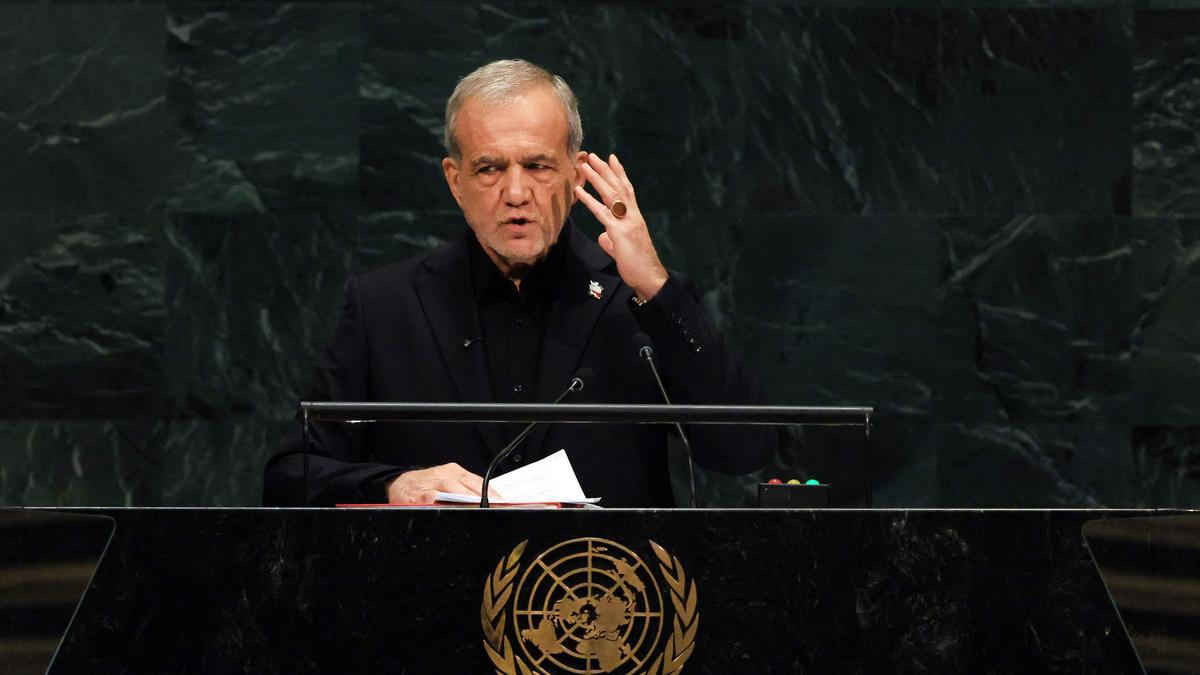
Iran's President Addresses Ongoing Conflict and External Threats
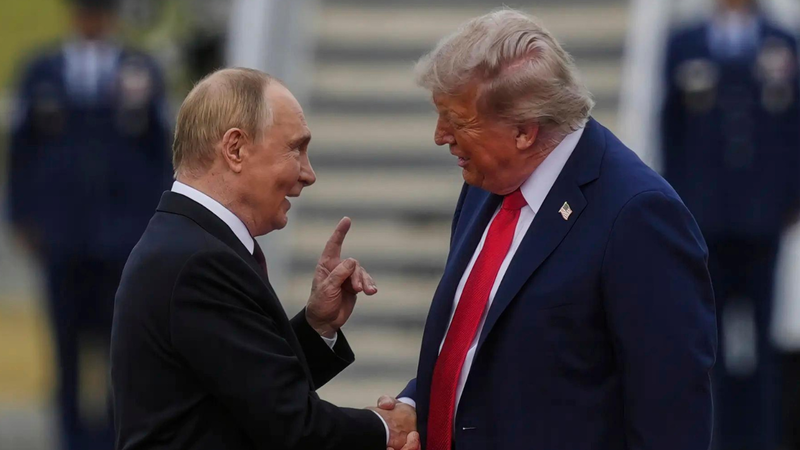
United States Invites Vladimir Putin to Miami G20 Summit