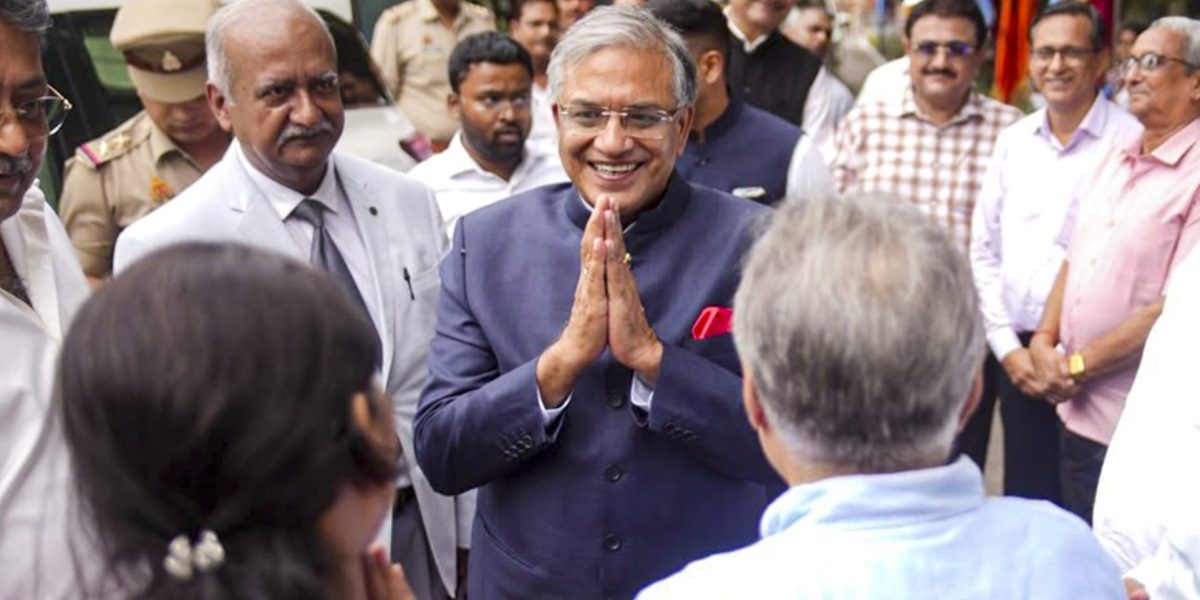
India Voices Concern Over Minority Attacks in Bangladesh Amid Tensions


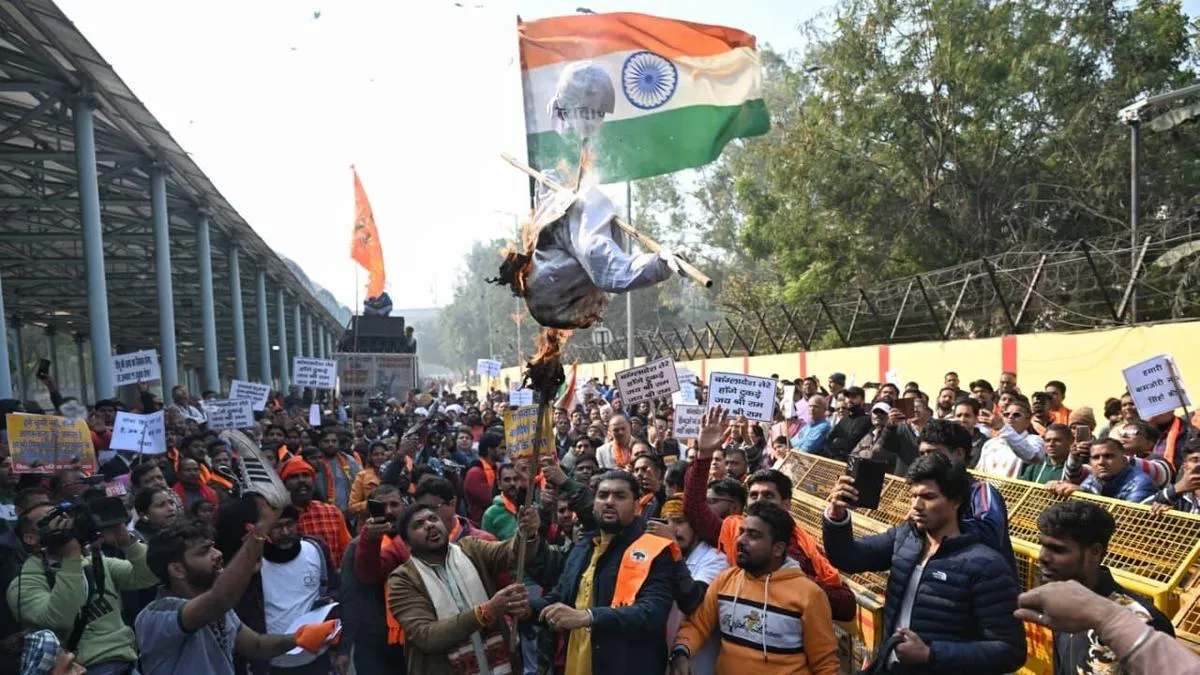
NEW DELHI: The Indian government has expressed serious concerns regarding ongoing violence against minority communities in Bangladesh, calling attention to a recent incident that has heightened tensions between the two nations. India reiterated its demand for justice following the lynching of Hindu man Dipu Chandra Das, an event that has sparked renewed scrutiny of the safety of minorities in the neighbouring country.
Relations between India and Bangladesh have deteriorated since the formation of an interim government led by Muhammad Yunus in August 2024. The situation has been compounded by recent protests in Bangladesh, which have taken on an anti-India tone following the murder of radical student leader Sharif Osman Hadi. In response, both countries have summoned each other's diplomats to express formal objections regarding the escalating tensions.
Randhir Jaiswal, spokesperson for the Indian Ministry of External Affairs, addressed these issues during a media briefing, stating, "The persistent hostility against minorities in Bangladesh, including Hindus, Christians, and Buddhists, is a source of serious concern. We condemn the recent brutal killing of a Hindu youth in Mymensingh and expect that those responsible will be held accountable."
This statement refers to the brutal attack on Dipu Chandra Das, who was killed on December 18 after being accused of blasphemy. Jaiswal also commented on another recent incident where a Hindu gang member was killed by a mob in Rajbari, asserting that India’s stance on the safety of minorities in Bangladesh is clear and well-known.
According to independent sources, over 2,900 incidents of violence against minorities have been recorded during the tenure of the interim government. These incidents include killings, arson, and land seizures. Jaiswal emphasised, "These occurrences cannot simply be dismissed as exaggerated media reports or labelled as political violence."
The interim government of Bangladesh has frequently dismissed India's criticisms, categorising them as exaggerated claims or politically motivated attacks on members of the Awami League, the political party led by former Prime Minister Sheikh Hasina, who is currently in self-imposed exile in India.
Jaiswal also addressed the rising anti-India sentiments that emerged during protests related to Hadi's murder, stating, "We reject the false narrative that has been propagated in Bangladesh."
While some Bangladeshi political leaders and student activists have alleged that Hadi's murderers fled to India, law enforcement agencies in Bangladesh have yet to identify the perpetrators. Jaiswal pointed out that maintaining law and order in Bangladesh is the responsibility of the Bangladeshi government and rejected any narrative suggesting otherwise.
Furthermore, Jaiswal commented on the return of Tarique Rahman, a leader of the Bangladesh Nationalist Party (BNP), to Dhaka after 17 years in exile in the United Kingdom. He noted that this development should be viewed in the context of India’s advocacy for free, fair, and inclusive elections in Bangladesh, which are scheduled for February 12.
"India is committed to strengthening ties with the people of Bangladesh. We support peace and stability in the country and advocate for elections that are free, fair, and inclusive, ensuring participation from all political factions," Jaiswal added.
In a related context, Union Minister of State for External Affairs Pabitra Margherita spoke about the unrest in Bangladesh during a recent event. He stated that India remains vigilant but adheres to its policy of non-interference in the internal matters of sovereign nations. Margherita expressed optimism for the restoration of normalcy in Bangladesh, acknowledging that political and social instability can lead to unrest affecting various communities, including those of Indian origin.
He described the current situation in Bangladesh as one of "internal paralysis" due to domestic law and order issues. Margherita reassured that India is closely monitoring the situation while advocating for human rights and national interests without overstepping into the internal affairs of its neighbours.
"We believe that the situation in Bangladesh is improving and we are hopeful for a return to complete normalcy. We will do whatever is necessary to support this process," he concluded.
Chinese President Xi Jinping Begins State Visit to Washington
Jaishankar Discusses US Tariff Concerns with Secretary Rubio
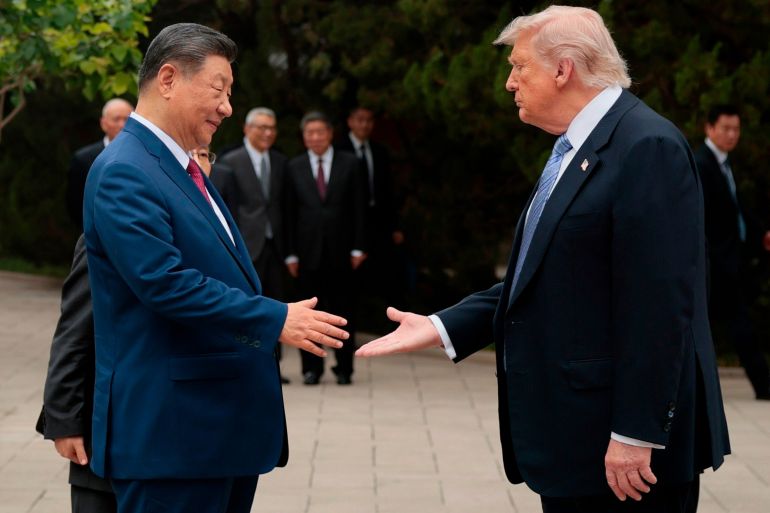
US and China Leaders Discuss AI Rivalry Amid Global Concerns
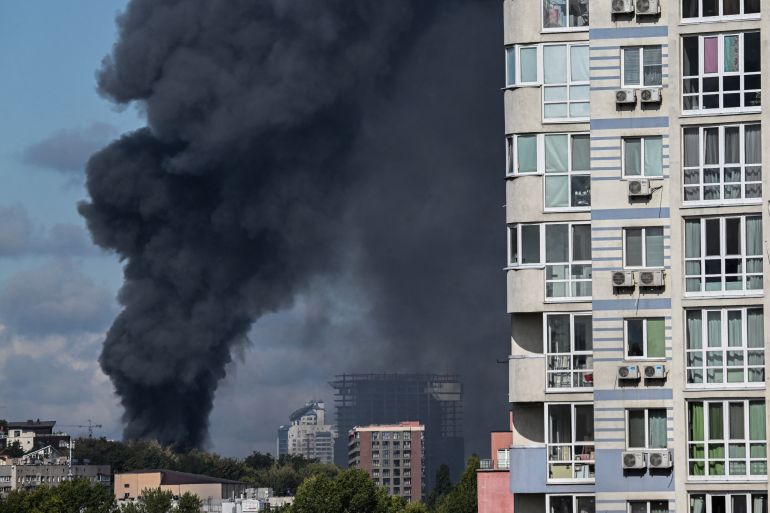
Russian Drone Strikes Kyiv, Donetsk Following Zelenskyy-Trump Talks