India Urges Quick-Commerce Firms to Abandon 10-Minute Deliveries


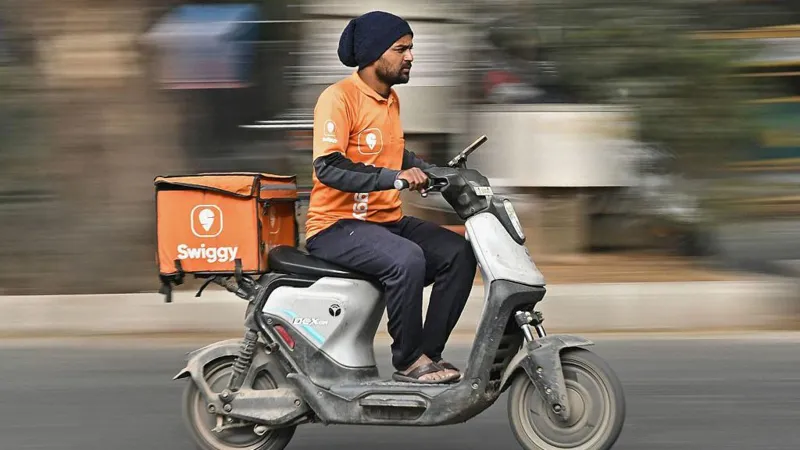
The Indian government is taking steps to address concerns related to the rapid delivery promises made by quick-commerce platforms, urging them to discontinue their controversial '10-minute delivery' guarantees. This announcement comes as part of a broader initiative aimed at enhancing worker safety across the sector.
Sources familiar with the matter revealed that the government's decision stems from apprehensions regarding the pressure placed on delivery personnel to meet these tight deadlines. The quick-commerce industry, which has gained significant traction in recent years due to changing consumer habits, has increasingly been scrutinised for its impact on worker welfare.
In an effort to regulate the sector, the Indian authorities envisage revised operational guidelines that prioritise the health and safety of workers. Many delivery executives have reported being overworked, often compelled to rush through deliveries to comply with demanding timeframes.
The fast-paced nature of this industry has led to accidents and safety issues, prompting the government to reassess how these platforms operate. As a result, a collaborative approach among stakeholders, including companies, policymakers, and worker representatives, is being advocated to ensure sustainable practices in delivery services.
Industry experts suggest that the move could herald a significant shift in the operational models of quick-commerce businesses. An estimated number of firms, including large players like BlinkIt and Swiggy, are likely to rethink their service promises as they navigate the new regulatory landscape.
While the quick-commerce model has offered unparalleled convenience to consumers, the imperative of ensuring a safe working environment cannot be understated. Companies may need to innovate their business strategies, which could lead to longer delivery times but ultimately foster a healthier work-life balance for their employees.
According to a representative of one of the leading quick-commerce platforms, 'The responsibility we have towards our delivery personnel is crucial. We will work closely with government bodies to create a framework that ensures both consumer satisfaction and worker safety.'
As the industry evolves, this regulatory push could signal a larger trend towards sustainable and responsible business practices within the fast-evolving e-commerce landscape in India. The effectiveness of these regulatory changes remains to be seen, although many stakeholders in the industry are hopeful for a constructive outcome that benefits all parties involved.

Kerala Initiates Probe into 2006 Suicide Case Involving CEC

Extradition of Sheikh Hasina Feasible, Says Indian High Commissioner

Punjabi Makeup Artist Mad Sandhu Shot Dead in Amritsar

India Achieves Fourth Place at Asian Games 2026 Through Late Success