India's Rural Employment Scheme Faces Major Overhaul


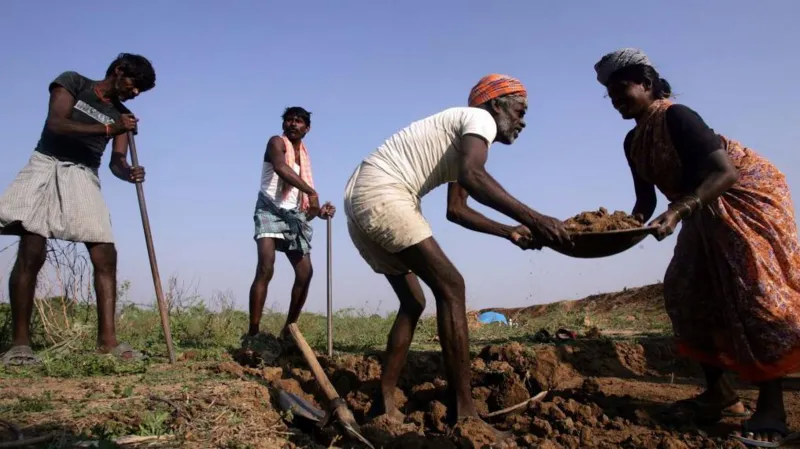
The Mahatma Gandhi National Rural Employment Guarantee Scheme (MGNREGS), introduced in 2005, has been a cornerstone of rural employment in India, providing every rural household with the legal right to demand up to 100 days of paid work each year. Recently, the government led by Prime Minister Narendra Modi announced significant changes to this landmark programme, which has been a vital source of income for millions of rural households.
The scheme was established during a period of economic distress, when rural areas faced declining job opportunities and increasing agrarian challenges. By guaranteeing employment, MGNREGS not only provided financial support but also aimed to empower workers, particularly among marginalised communities. It has been credited with improving bargaining power for landless labourers and enhancing the economic independence of women.
Historically, MGNREGS has played a crucial role in stabilising rural incomes, especially during crises such as the COVID-19 pandemic. Reports indicate that the scheme significantly raised rural consumption levels and reduced poverty rates, making it one of the most studied anti-poverty initiatives globally. Approximately half of the participants are women, and a considerable percentage belong to scheduled castes or tribes, who are among the most disadvantaged groups in India.
However, in a recent legislative move, the government has rebranded the programme and introduced new regulations that critics argue may undermine its original intent. The new law, known as G RAM G, increases the annual employment guarantee from 100 to 125 days per household but also alters the funding structure. The previous federal funding model, which covered approximately 90% of costs, will now shift to a 60:40 split between the federal government and state governments. This change raises concerns about the financial sustainability of the scheme and its ability to provide consistent employment.
Supporters of the reform, including the federal agriculture minister Shivraj Singh Chouhan, assert that these changes will modernise the programme, making it more efficient and free from corruption. "This law stands firmly in favour of the poor, in support of progress, and in complete guarantee of employment for the workers," Chouhan stated, emphasising the government's commitment to improving rural livelihoods.
In contrast, critics, including development economists and opposition parties, warn that the restructuring could lead to a dilution of the employment guarantee, transforming it from a legal right into a discretionary scheme. Jean Dreze, a prominent economist, argues that while the increase in guaranteed workdays appears beneficial, it merely serves as a distraction from more pressing issues, such as funding constraints and bureaucratic inefficiencies.
Despite these changes, many scholars express concern about the potential for G RAM G to erode the achievements of the original MGNREGS. An open letter signed by international academics cautioned that dismantling the scheme could have disastrous consequences for rural employment and poverty alleviation efforts. They highlighted the scheme's success in lifting household earnings and reducing poverty levels, suggesting that its removal would represent a significant setback for social welfare in India.
The debate surrounding MGNREGS also points to deeper systemic issues within India's rural economy. Critics argue that while the scheme provides short-term relief, it does not address the root causes of rural unemployment or stimulate long-term economic growth. The government's own economic survey has raised questions about the alignment of employment demand with actual rural hardship, indicating disparities in fund allocation and employment generation across states.
As India faces ongoing challenges in creating sustainable non-farm jobs, the future effectiveness of the MGNREGS, now restructured under G RAM G, remains uncertain. The balance between providing immediate support to rural households and fostering long-term economic resilience will be crucial in determining the scheme's impact on India's rural landscape in the coming years.
Kerala Initiates Probe into 2006 Suicide Case Involving CEC

Extradition of Sheikh Hasina Feasible, Says Indian High Commissioner

Punjabi Makeup Artist Mad Sandhu Shot Dead in Amritsar

India Achieves Fourth Place at Asian Games 2026 Through Late Success