Delhi Metro Expands with New Corridors and Stations


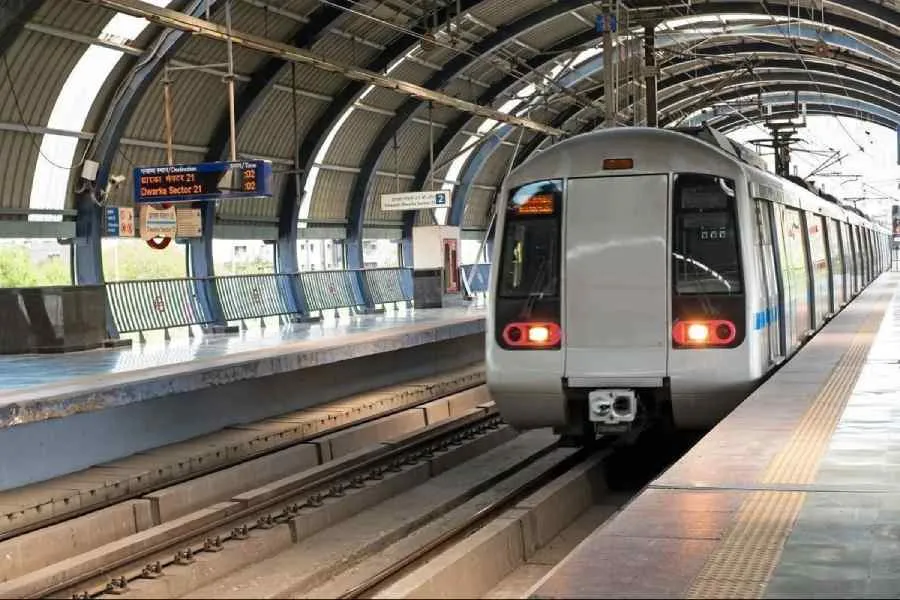
The Union Cabinet of India has approved an expansion of the Delhi Metro network, marking a significant development in urban transportation. The initiative, known as Phase 5A, will introduce 16 kilometres of new lines across three corridors, adding 13 new stations to the existing infrastructure.
The estimated cost for this expansion is ₹12,015 crore, and it is projected to be completed within three years. Once operational, the new corridors are anticipated to reduce carbon emissions by approximately 33,000 tonnes annually, contributing to improved air quality in the capital.
Ashwini Vaishnaw, the Minister for Information and Broadcasting, stated that the project aims to enhance connectivity in crucial areas of Delhi while alleviating traffic congestion and addressing air pollution issues. In a post on the social media platform X, Indian Prime Minister Narendra Modi remarked, "Delhi's infrastructure gets a major boost! Cabinet's approval for three new corridors as part of Delhi Metro's Phase V(A) Project will expand our capital's metro network, thus boosting 'Ease of Living' and reducing congestion."
The longest of the proposed corridors will extend 9.9 kilometres between RK Ashram Marg and Indraprastha. This route is strategically designed to serve the Kartavya Bhawan complex and its surrounding administrative zones. According to Vaishnaw, this corridor is expected to accommodate around 60,000 government employees and nearly 200,000 visitors daily, encouraging a shift from road transport to the Metro system.
The stations planned along the RK Ashram Marg to Indraprastha corridor include RK Ashram Marg, Shivaji Stadium, Central Secretariat, Kartavya Bhawan, India Gate, War Memorial–High Court, Baroda House, Bharat Mandapam, and Indraprastha.
In addition to this, a separate corridor that connects Inderlok to Indraprastha is currently under construction as part of the Green Line extension. This route will feature stations such as Dayabasti, Ajmal Khan Park, Jhandewalan Mandir, Nabi Karim, New Delhi, Delhi Gate, and Delhi Sachivalaya.
Sewa Ram, a transport planning expert from the School of Planning and Architecture, highlighted the benefits of the new corridor, stating that it will not only serve the Central Vista area but also high-traffic locations like Bharat Mandapam and the Delhi Zoo. He emphasised that the enhanced Metro connectivity would facilitate easier access to cultural and heritage sites, allowing visitors to explore these areas without relying on motorised transport.
The second corridor will span 2.3 kilometres, linking Aerocity with Airport Terminal 1. Vaishnaw noted that Terminal 1 is nearing completion and is expected to accommodate an increased number of flights in the near future. This corridor will provide direct access to the Airport Express Line, significantly reducing travel time from central Delhi.
The third corridor, covering 3.9 kilometres between Tughlakabad and Kalindi Kunj, is designed to improve connectivity for commuters travelling between Noida, Faridabad, and Gurugram. Planned stations on this stretch include Sarita Vihar Depot, Madanpur Khadar, and Kalindi Kunj.
Currently, the Delhi Metro Rail Corporation operates a comprehensive 394-kilometre network that serves Delhi and its neighbouring regions in Haryana and Uttar Pradesh. With an average daily ridership of 6.6 million passengers, it remains the largest metro system in India, and this latest expansion is expected to further enhance its capacity and reach.
Concerns Rise Over Delhi Voter Registration Discrepancies
Controversy Erupts Over Rahul Gandhi's PM Modi Mimicry at Event

Father of IIT Bombay Student Calls for Action Against Discrimination
India and Japan Conduct Joint Air Exercise 'Veer Guardian-2026'