India Responds to OIC Remarks at United Nations


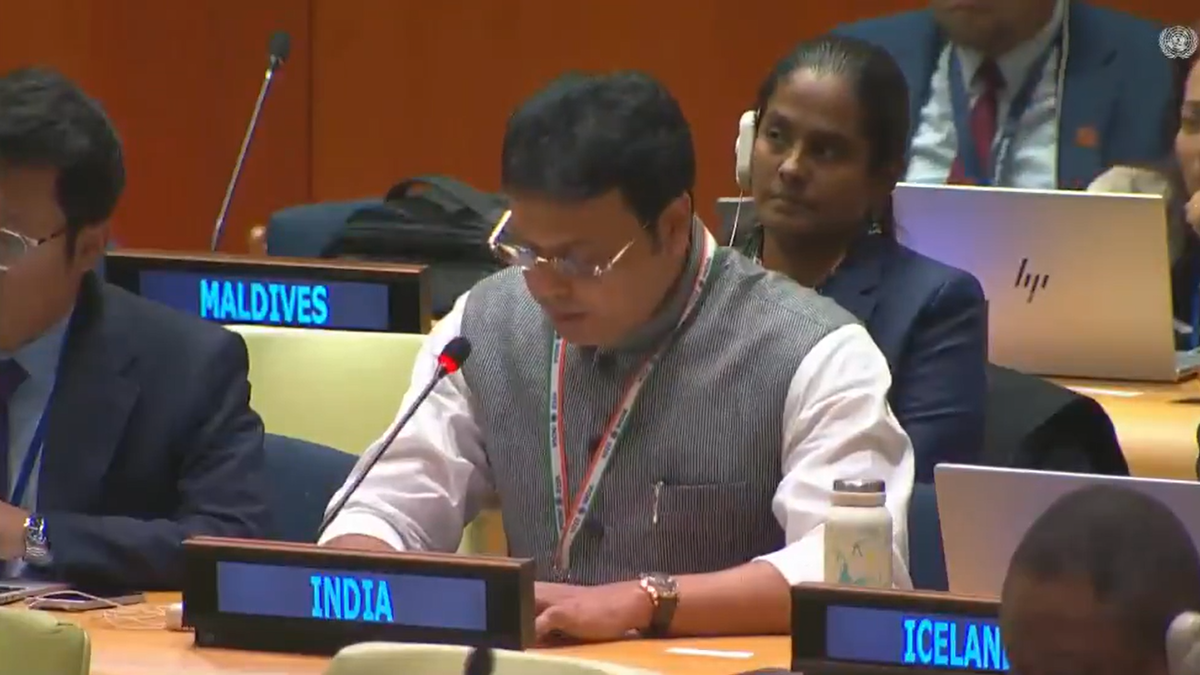
India has officially responded to remarks made by the Organisation of Islamic Cooperation (OIC) at the United Nations, asserting that the statements blur the distinction between the victim and the perpetrator in ongoing conflicts. The Indian government has expressed concern that the OIC's comments do not accurately reflect the complexities of the situations being discussed.
In a statement, a spokesperson for the Indian Ministry of External Affairs stated that such remarks undermine the efforts aimed at resolving conflicts through dialogue and understanding. The spokesperson further mentioned, "It is essential to have a clear understanding and to avoid generalisations that do not serve the cause of peace."
The criticism comes amid heightened tensions between India and some member states of the OIC, following ongoing disputes regarding various socio-political issues. The Indian government has urged the OIC to adopt a more balanced and constructive approach when addressing international matters, suggesting that misrepresentation may exacerbate rather than alleviate tensions.
The OIC, which comprises 57 Muslim-majority states, has a history of addressing issues related to the rights of Muslims worldwide, but its recent interventions have prompted debates on the interpretations of its statements and their implications. India has emphasised the need for organisations like the OIC to recognise the regional realities and work towards inclusive dialogue instead of polarising stances.
Indian officials remain firm in their position, advocating for an end to inflammatory rhetoric and calling for collaborative solutions to global challenges. This incident marks a continuing trend of diplomatic exchanges between India and the OIC, with both sides navigating a complex web of international relations.
While the OIC has yet to respond formally to India's allegations, the affair highlights the ongoing diplomatic dialogue within the broader context of peacekeeping and resolution in conflict zones. The interplay between various nations and organizations continues to evolve, with an emphasis on constructive engagement being paramount for sustainable resolutions in international politics.
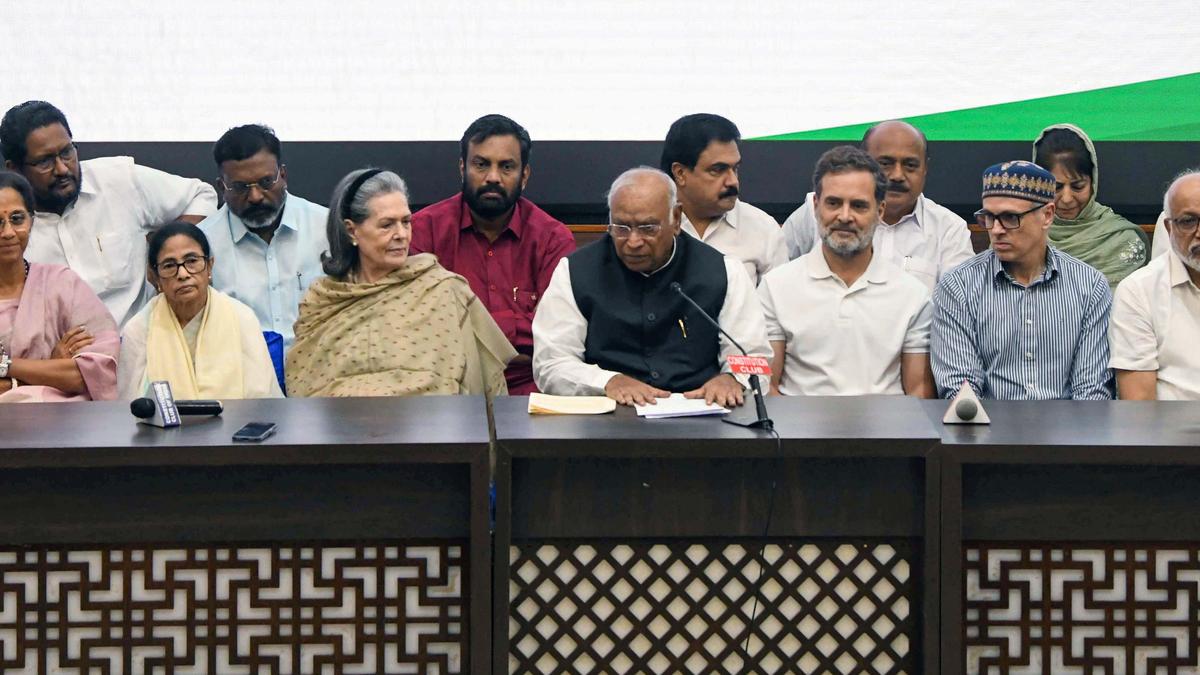
Mamata Banerjee's Visit to Delhi Sparks INDIA Bloc Speculation

Indian Crew Injured in Attack on Vessel in Strait of Hormuz
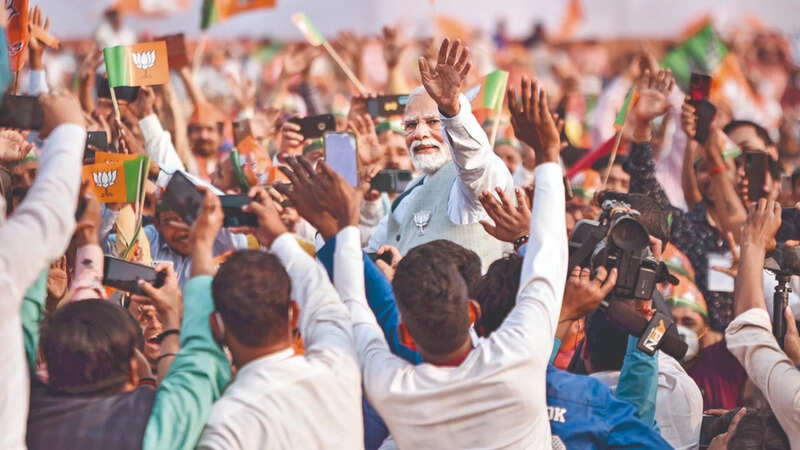
25 Years of Governance: Narendra Modi’s Journey from Gujarat to PM
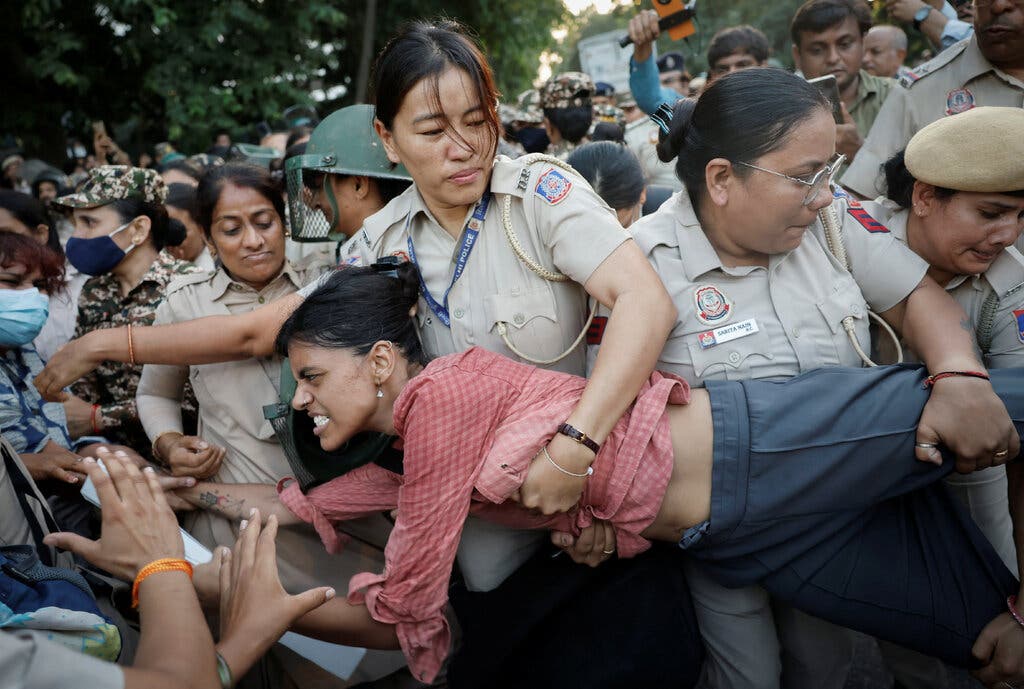
Congress Faces Internal Debate Over Support for CJP Amid Protests