India and Oman Sign Comprehensive Economic Partnership Agreement


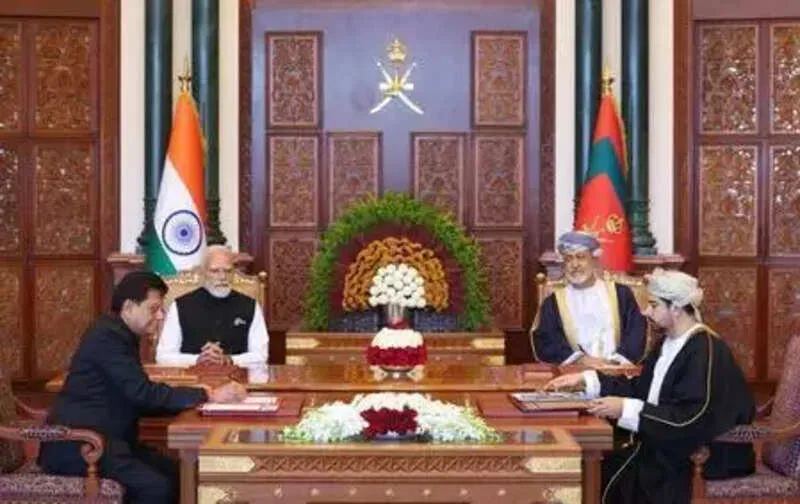
India has officially signed a Comprehensive Economic Partnership Agreement (CEPA) with Oman, aimed at bolstering export opportunities in West Asia. This agreement comes in response to increasing trade barriers in the United States and European Union, including tariffs and carbon taxes. The CEPA marks a significant step in India's strategy to accelerate free trade agreements and diversify its trade markets as uncertainties loom over potential deals with the US.
Strategic Importance of the CEPA Oman's CEPA with India is noteworthy as it is the first free trade agreement (FTA) that Oman has entered into in nearly two decades. Additionally, this agreement represents India's second comprehensive FTA in the Gulf region, following the one with the United Arab Emirates (UAE) in 2022. This agreement is part of India's broader effort to establish six free trade pacts in the last five years, including agreements with Mauritius, the UAE, Australia, the European Free Trade Association, and the United Kingdom.
The current bilateral trade between India and Oman stands at approximately $10.5 billion, predominantly driven by energy imports. The CEPA is designed to foster sustainable economic integration rather than merely facilitating short-term trade increases.
Key Features of the India-Oman CEPA The CEPA was signed recently in Muscat, and it includes several key provisions. Oman will provide duty-free access on 98.08% of tariff lines, which will encompass 99.38% of India's exports to Oman. Conversely, India will reduce tariffs on 77.79% of its tariff lines, which will include 94.81% of imports from Oman.
Oman's geographical location enhances its status as a strategic hub for access to wider Gulf Cooperation Council (GCC) markets, as well as regions in Eastern Europe, Central Asia, and Africa. Furthermore, Oman already benefits from duty-free access to the US market through its existing FTA, which creates additional opportunities for indirect trade.
Market Access and Tariff Liberalisation The CEPA aims to eliminate tariffs for various labour-intensive sectors, which include: - Gems and jewellery - Textiles - Leather and footwear - Sports goods - Plastics and furniture - Agricultural and food products - Engineering goods, pharmaceuticals, medical devices, and automobiles
This initiative is expected to significantly benefit micro, small, and medium enterprises (MSMEs), artisans, and women-led businesses, increasing employment opportunities in India.
Certain sensitive products, however, will be excluded from liberalisation. These include specific agricultural products such as dairy, tea, coffee, rubber, and tobacco, as well as gold and silver bullion, jewellery, and certain labour-intensive items like footwear and sports goods.
Enhanced Professional Mobility A major highlight of the CEPA is the significant enhancement of professional mobility between the two nations. The quota for Intra-Corporate Transferees has been increased from 20% to 50%. Additionally, the duration of stay for Contractual Service Suppliers has been extended from 90 days to two years, which can be renewed for another two years. This more liberal approach towards the entry and stay of skilled professionals will cover fields such as accountancy, taxation, architecture, and medical services.
Boosting the Services Sector The CEPA facilitates substantial commitments from Oman across various service sectors, including: - Information technology and computer services - Business and professional services - Audio-visual services - Research and development, education, and health services
Moreover, the agreement allows for 100% foreign direct investment (FDI) by Indian firms in key services sectors in Oman, contingent on establishing a commercial presence. Future discussions are anticipated regarding social security coordination once Oman’s contributory system becomes operational.
Oman: A Strategic Trade Gateway Despite being smaller and less diversified than the UAE, Oman plays a pivotal role as a trade hub for India, providing access to markets in West Asia and Africa. With annual imports amounting to around $40 billion, Oman significantly relies on imported machinery while being a major energy exporter.
In the fiscal year 2024-25, India exported goods worth $4.06 billion to Oman, constituting 0.93% of India's overall exports. Meanwhile, India imported $6.5 billion from Oman, which made up 0.91% of India's total imports during the same period.
Indian exports to Oman have seen remarkable growth, doubling over the last five years. Key export categories include machinery, aircraft, rice, iron and steel products, beauty and personal care items, ceramics, and petroleum products such as naphtha and petrol. The CEPA's provision of zero-duty access to 98% of Oman’s tariff lines is expected to enhance the competitiveness of Indian industrial goods, although sustained growth will depend on improvements in product quality and differentiation.
Oman's Trade Profile and Energy Links Oman's principal exports comprise crude oil, liquefied natural gas (LNG), fertilisers, and chemical inputs, which are essential for India's energy and industrial sectors. Many of these goods already benefit from low tariffs under existing FTAs. Furthermore, Oman has maintained a free trade agreement with the US since 2009, allowing for duty-free access for numerous products into the American market.
Conclusion The India-Oman CEPA represents a significant development in the bilateral relationship between the two nations, with potential to enhance trade, services, and professional mobility. As India seeks to navigate the complexities of global trade, this agreement could play a crucial role in expanding its economic footprint in the region.
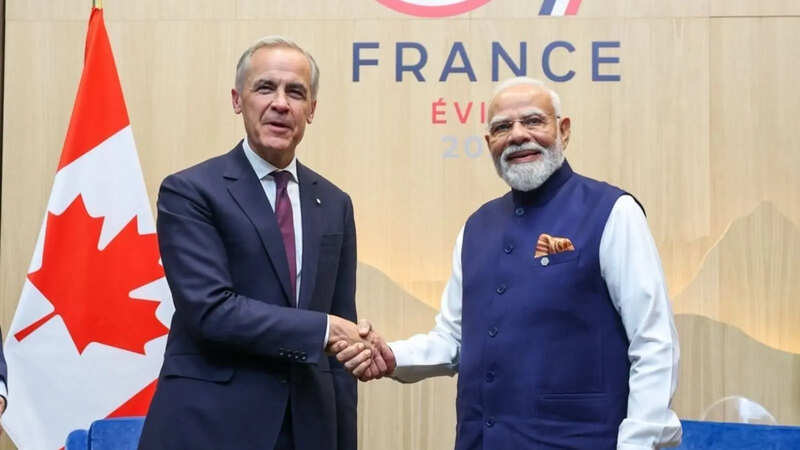
Canada and India Accelerate Trade Talks Ahead of December Visit

Delhi University Students Express Concerns Over Safety After Assault

Legal Dispute Arises Over 'Vande Mataram' in Supreme Court Hearing
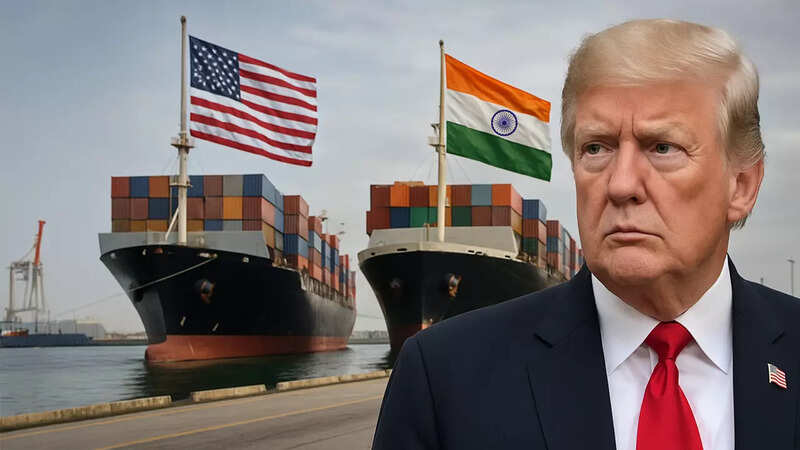
Impact of Trump's Tariff Law on India's Oil Imports and Trade