India Maintains Third Position in Lowy’s Asia Power Index 2026


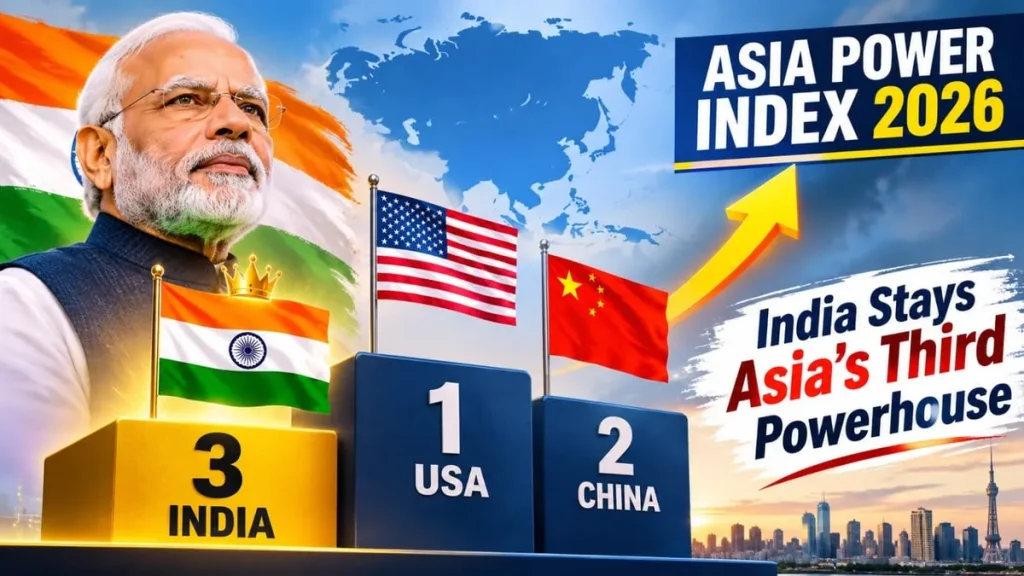
India has secured its position as the third-most powerful nation in Asia, according to the latest Lowy Institute’s Asia Power Index for 2026. Prime Minister Narendra Modi has been recognised as the second-most effective regional leader, trailing only Chinese President Xi Jinping. The report highlights a 0.5 point increase in India's power score, reaching 40.5, which narrows the gap with China to its closest margin since the inception of the index in 2018. The United States and China continue to lead as Asia’s foremost powers, scoring 78.9 and 73.6 points respectively out of a possible 100. Key elements contributing to India’s enhanced regional influence include bolstered defence engagements and increasing sales of BrahMos missiles to Southeast Asian nations. These developments have fortified India's defence networks, while stable trade and investment relationships have allowed India to maintain economic ties amidst declining connections for several other countries. Despite some challenges, including a lower profile during recent Gulf conflicts which slightly affected perceptions of Modi’s global leadership, India experienced its most significant improvement in cultural influence, gaining 2.3 points. It also saw an increase in defence networks and future resources, though its economic capability score declined by 0.7 points. For reference, India’s scores were 26.4 for economic capability, 43.8 for cultural influence, and 70.3 for diplomatic influence. The 2026 Lowy Institute’s Asia Power Index evaluates 27 countries and territories based on 131 indicators to assess their power in the region. The report also highlights a narrowing power gap between the United States and China, with just 5.3 points differentiating the two. This is the smallest gap since the index's launch. Moreover, military capability differences have also diminished significantly. The United States has seen a notable decrease in its diplomatic influence score, dropping six points to 76.7, attributed to various geopolitical factors, including tensions surrounding Iran and changing military collaborations. Hunter Marston, Director of the Southeast Asia Program and Asia Power Index, stated, “Despite upheaval, the regional balance of power remains markedly bipolar. The US and China still dominate, and neither a middle power bloc nor growing authoritarian alignment is displacing them.” In response to India’s advancement in the Index, Union Minister Kiren Rijiju noted the country's significant transformation under Modi’s leadership. He asserted that India has risen in global rankings in various sectors over the past twelve years. Rijiju affirmed, “India has changed now; our leadership is strong.” He also remarked that while political opposition is entitled to their opinions, the substantial progress witnessed by the country should be acknowledged. Rijiju added that despite criticism, India is firmly positioned among the top ten global powers, indicating the government's achievements. The findings from the Asia Power Index paint a comprehensive picture of power dynamics in the region, emphasising India’s evolving role amidst increasing geopolitical tensions.

Samajwadi Party and Congress Begin Seat-Sharing Talks for UP Elections

India Calls for Biennial Civilisational Dialogue Forum at SCO
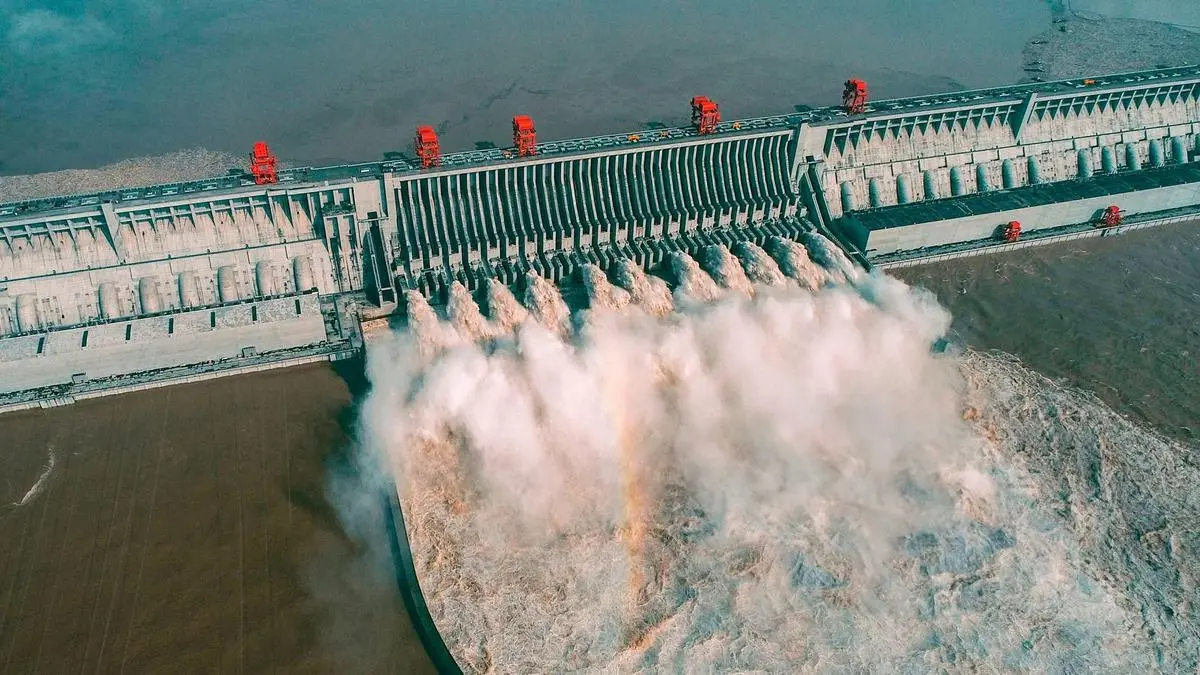
China's Medog Hydropower Project Shows Signs of Rapid Advancement

Raising Awareness for Pancreatic Cancer: Insights from Experts