China's Medog Hydropower Project Shows Signs of Rapid Advancement


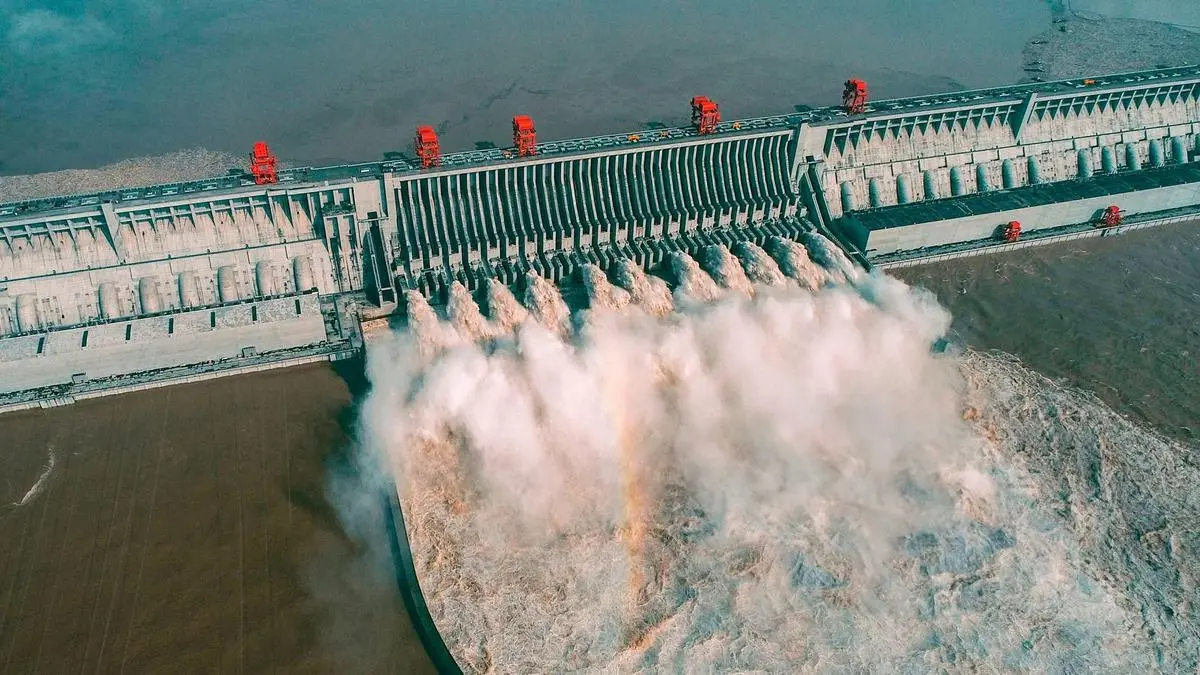
Recent analysis of satellite imagery by Indian geospatial company EarthSense Labs reveals extensive construction activities at China’s Medog hydropower project site. Officially launched in July 2025, the project is located in Mainling, Tibet, upstream of Arunachal Pradesh, and features planned investments of approximately 1.2 trillion yuan (around US$168 billion). The project's design includes a cascade of five hydropower stations intended to utilise the considerable elevation drop of the lower Yarlung Tsangpo River, which transforms into the Siang River in Arunachal Pradesh and continues as the Brahmaputra in Assam.
The EarthSense Discovery Report, entitled “Building at the Great Bend: Monitoring China’s 60 GW Medog Dam Project,” provides a comprehensive geospatial intelligence assessment. This 18-page report documents significant alterations in the landscape surrounding the river unlike previous observations dating back to 2018.
Construction and Land Clearance Identified One prominent finding pertains to Mainling, designated L1 in the report. An evaluation of satellite images dated July 11, December 4, 2025, and August 10, 2026, revealed extensive changes post the project’s commencement. Initially, agricultural fields and villages were apparent on the south bank, yet subsequent imagery indicated their removal alongside newly developed infrastructure. By August 2026, these developments included advanced roadway construction and what could be described as river diversion activities identified on the north bank.
The term 'river diversion' typically refers to water being redirected around construction sites to facilitate work on a primary dam. Notably, the report does not ascertain the complete engineering design or operations of the diversion.
Potential Second Dam Identified The report also highlights Pai as a probable site for a secondary dam, labelled L2. However, it is crucial to note that no definitive evidence of development was found at this site when comparing satellite images from October 2025 and October 2026. EarthSense proposes that construction may instead be initiated from a lower tunnel identified as L3, underscoring that discussions regarding Pai should not be misinterpreted as confirmation of an active construction site.
Long-Term Development Activities Significant infrastructure work has been evidenced in the area designated L3, close to the India-China border, which pertains to a proposed downstream tunnel outlet. The report indicates that construction efforts have been underway for several years, with initial road development evident as early as April 2018. Over the following years, residential and industrial infrastructure has expanded dramatically, culminating in the establishment of a concrete batching plant observed through satellite data.
Potential Downstream Impact These developments hold potential ramifications for water flow and local ecosystems in both Arunachal Pradesh and Assam. EarthSense has expressed concerns that the operation of extensive reservoirs could significantly alter downstream water volumes during dry seasons, which might impact both river morphology and agricultural activities dependent on consistent water levels.
The magnitude of any downstream effects is contingent upon various operational factors associated with the reservoirs, including water release rates and interaction with tributary rivers. However, the report lacks a detailed hydrological assessment or quantifiable projections relating to these changes.
Hydrological Data Exchange Issues India has previously raised concerns regarding access to timely hydrological data, particularly following a halt in data exchange by China in June 2023. This lapse in information has prompted the Indian government to request the restoration of data sharing, essential for monitoring the effects of upstream projects on its rivers.
Opposition to Local Projects The findings emerge against a backdrop of ongoing opposition to the Siang Upper Multipurpose Project (SUMP), a proposed 11,200-megawatt initiative in Arunachal Pradesh. Sections of the Indigenous Adi community have voiced apprehensions over potential displacement and loss of land and livelihoods connected to the project, further complicating hydraulic management in the region.

Samajwadi Party and Congress Begin Seat-Sharing Talks for UP Elections

India Calls for Biennial Civilisational Dialogue Forum at SCO
Tata Steel Acquires Stake in APL Apollo Tubes for ₹15,511 Crore

Oil Market Predictions of Surplus Amidst Ongoing Volatility