Importance of Early Fertility Assessments for Women Over 35


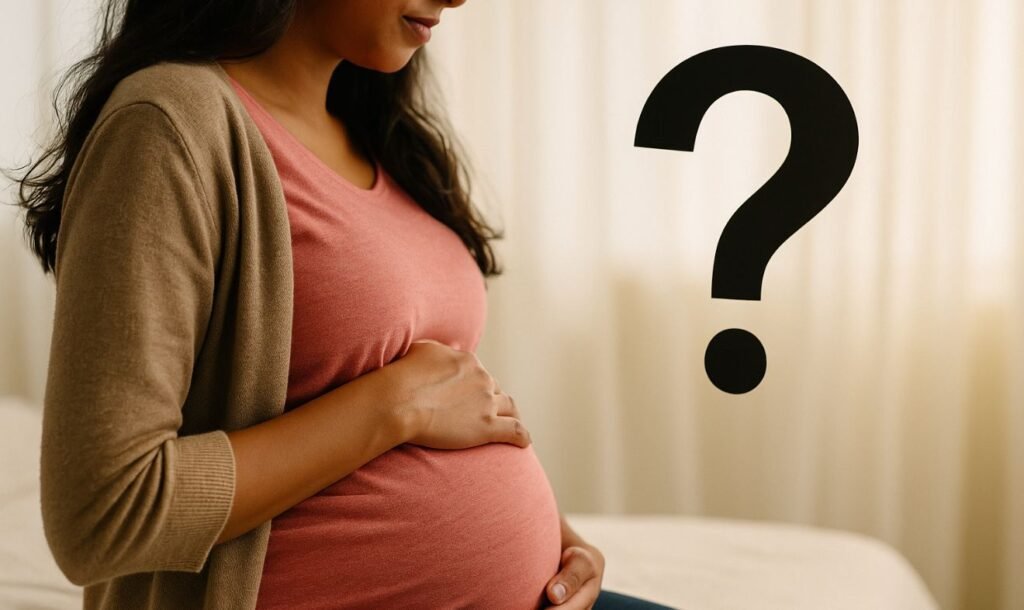
As more women opt for higher education and career advancement before starting families, the topic of motherhood after the age of 35 is gaining significant attention in reproductive health. Medical experts are stressing the importance of understanding how reproductive health evolves with age and the various options available for those contemplating pregnancy later in life.
Maj. Dr. Nishi Singh (Ret.), a spokesperson for Prime IVF & Infertility Centre, insists on the necessity of early fertility assessments and informed pregnancy planning. She notes that reaching the age of 35 does not automatically indicate infertility, but it is a critical period for women to evaluate their individual fertility factors, especially if they intend to conceive in the future.
"Women today are making important decisions about motherhood based on their careers, financial responsibilities and personal circumstances. These choices deserve respect and appropriate medical support. Our objective is not to create anxiety around age but to encourage women to understand their reproductive health and explore available options at the right time," states Dr. Singh.
Understanding Fertility Changes After 35
Female fertility is influenced by numerous biological factors, including the quantity and quality of eggs in the ovaries. Women are born with a limited supply of eggs, which naturally decreases over their reproductive years. Although this decline starts well before age 35, it typically becomes more pronounced during the mid to late thirties, with an accelerated decline as age continues to advance. As a result, older age may increase the chances of chromosomal abnormalities in eggs, leading to higher instances of miscarriage and other pregnancy complications.
However, Dr. Singh emphasises that fertility differs widely among individuals. Age alone is not a reliable predictor of a woman's ability to conceive successfully. "Two women of the same age may have very different reproductive health profiles. Factors such as ovarian reserve, medical history, hormonal conditions, and overall reproductive health can influence fertility. This is why individual assessment is more meaningful than making assumptions based solely on age," she explains.
Significance of Early Fertility Assessments
For women planning to conceive after 35, a fertility assessment can provide vital insights into their reproductive health and identify any conditions that might require medical attention. An initial evaluation often entails a detailed clinical history, menstrual cycle analysis, and a review of pertinent medical conditions. Depending on individual circumstances, specialists might suggest pelvic ultrasound examinations, hormonal tests, and assessments of ovarian reserve.
Testing for Anti-Müllerian Hormone (AMH) levels and conducting antral follicle count assessments can assist clinicians in estimating ovarian reserve and formulating appropriate fertility treatment plans. However, Dr. Singh cautions that these investigations possess limitations. AMH levels do not directly measure the quality of eggs and cannot independently predict whether a woman will conceive naturally.
"An AMH report or ultrasound finding should never be viewed in isolation. Fertility assessment involves understanding the complete clinical picture, which includes age, reproductive history, and other relevant factors. The purpose is to support informed planning rather than create unnecessary concern," she adds.
Dispelling Common Misconceptions About Fertility After 35
A prevalent misconception is that regular menstrual cycles automatically indicate normal fertility. While regular cycles often suggest consistent ovulation, they do not guarantee the absence of difficulties in conceiving. Other elements, like the health of fallopian tubes, egg quality, uterine conditions, and sperm parameters, can also significantly affect the likelihood of pregnancy.
Another false belief is that assisted reproductive technologies, particularly In Vitro Fertilisation (IVF), can entirely mitigate age-related fertility challenges. While IVF has enabled many individuals and couples to pursue parenthood, treatment outcomes are still influenced by multiple factors, including age, egg quality, embryo viability, and existing medical conditions. Dr. Singh stresses that it is vital to have realistic expectations and transparent counselling throughout the fertility care process.
"Assisted reproductive technology has broadened the possibilities of fertility treatment, but it is crucial to comprehend both its benefits and limitations. Patients should receive balanced information about available procedures, likely outcomes, and potential challenges before deciding on treatment," she says.
Options for Fertility Treatment and Preservation
Recent advances in reproductive medicine have unveiled various approaches that can aid women in planning motherhood at a later age. Depending on individual circumstances, these options may include fertility counselling, management of reproductive issues, ovulation-related treatments, and Intrauterine Insemination (IUI) among others.

Delhi Police Restricts Protests to Alternative Sites

BJP Criticises Rahul Gandhi's Request to Chief Justice

Nizamabad Man Injured, Fellow Resident Reported Dead in Ukraine Attack

Detainees Describe Harrowing Treatment by Delhi Police