Importance of Early Detection in Breast Cancer Care Highlighted


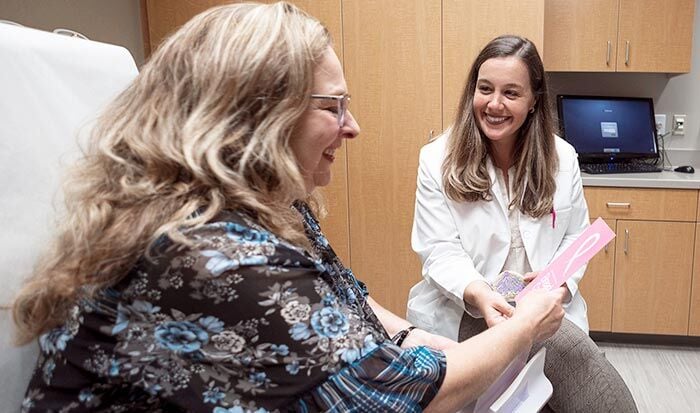
Early detection plays a crucial role in improving survival rates and treatment options for breast cancer patients, according to Dr. Kinzie Norris of Faith Health Breast Care in Norfolk. She emphasises that women should prioritise regular mammograms, be aware of their individual risk factors, and seek medical help if they notice any unusual changes in their breasts.
Dr. Norris stated that while advancements in screening and treatment options have significantly enhanced the outcomes for those diagnosed with breast cancer, early detection remains paramount. "Early detection makes a real difference in both treatment options and outcomes," she explained. "Cancers identified at an early stage generally allow for less invasive treatments and are associated with better survival rates."
Women at average risk should commence annual mammograms at age 40, with Dr. Norris recommending the use of three-dimensional mammography. She pointed out that contrary to some preventive screenings, there is no upper age limit for mammograms. Women who are in reasonably good health and have a life expectancy of around 10 years or more are encouraged to continue with yearly screenings.
Additionally, Dr. Norris advocates for a formal breast cancer risk assessment by age 25. This assessment takes into account family medical histories and other factors that could increase the risk of developing breast cancer. For women identified with a lifetime breast cancer risk of 20% or more, inherited genetic mutations, a history of chest radiation between ages 10 and 30, or high-risk findings from previous biopsies, earlier screening may be required.
Dr. Norris stated, "That is why the risk assessment we recommend by age 25 is so important. It allows us to tailor the start of screening instead of using a one-size-fits-all approach." Moreover, she cautioned that although family history can influence the likelihood of breast cancer, many women diagnosed do not have family members who have the disease. Therefore, regular screenings should begin at age 40 for every woman, regardless of family medical history, and women should remain vigilant for any new changes in their breasts.
While a significant family history can elevate a woman’s risk, inherited genetic mutations such as BRCA1 and BRCA2 can also substantially increase the chances of developing breast cancer. Dr. Norris mentioned that the American Society of Breast Surgeons recommends genetic testing for women with a personal history of breast cancer.
For women without a previous diagnosis, criteria established by the National Comprehensive Centre Network are used to evaluate whether genetic counselling may be necessary. In addition to genetic factors, Dr. Norris highlighted other risks including age and breast density, which can complicate the detection of tumours through standard mammography.
Lifestyle choices also play a role in breast cancer prevention. Dr. Norris encouraged women to maintain a healthy weight, stay physically active, avoid smoking, limit alcohol intake, and be mindful of hormone therapy duration. She added that adopting a Mediterranean-style diet can be beneficial. "These steps do not eliminate risk, but they can meaningfully reduce it," she remarked.
Aside from routine mammograms, women should educate themselves on the signs of breast cancer. A new lump in the breast or armpit is a readily identifiable warning sign, but other symptoms such as skin dimpling, changes in breast shape, unexplained swelling, and nipple discharge warrant immediate medical attention. Dr. Norris pointed out that certain types of breast cancer, including inflammatory breast cancer, may not produce a distinct lump, making it essential for women to remain vigilant about any changes.
Dr. Norris reiterated the importance of not solely relying on mammograms for detection. "Mammograms are excellent but they do not catch every cancer," she explained. Women are urged to seek evaluation as soon as possible if they observe something concerning, even if their latest mammogram results were normal.
Access to timely medical care can be particularly challenging for women in rural areas, where distances to specialists can be great. In Northeast Nebraska, patients often face travel difficulties and financial barriers, which may impede them from scheduling necessary screenings or follow-ups. In response to these challenges, Dr. Norris highlighted Nebraska’s Every Woman Matters programme, which offers free or low-cost mammograms and diagnostic services to eligible women.
Finally, Dr. Norris emphasised that consistent screening and personal awareness are vital in detecting breast cancer early. "If you feel anything abnormal or have a concern, get to a specialist right away, even if your mammogram was normal," she urged. Regular mammography remains the only screening method shown through extensive studies to decrease the incidence of advanced breast cancer. Women with questions about breast health can contact Faith Health Breast Care at 402-844-8167 for support.

Severe Weather Hits Raipur as Schools Close Due to Cyclone Arnab

Eisenkot's Bid for Alliance with Arab Parties in Israeli Elections

Iran Negotiations May Alleviate Shipping Risks for Indian Chemicals

Jio Becomes Second Most Valuable Company in India on Market Debut