Eisenkot's Bid for Alliance with Arab Parties in Israeli Elections


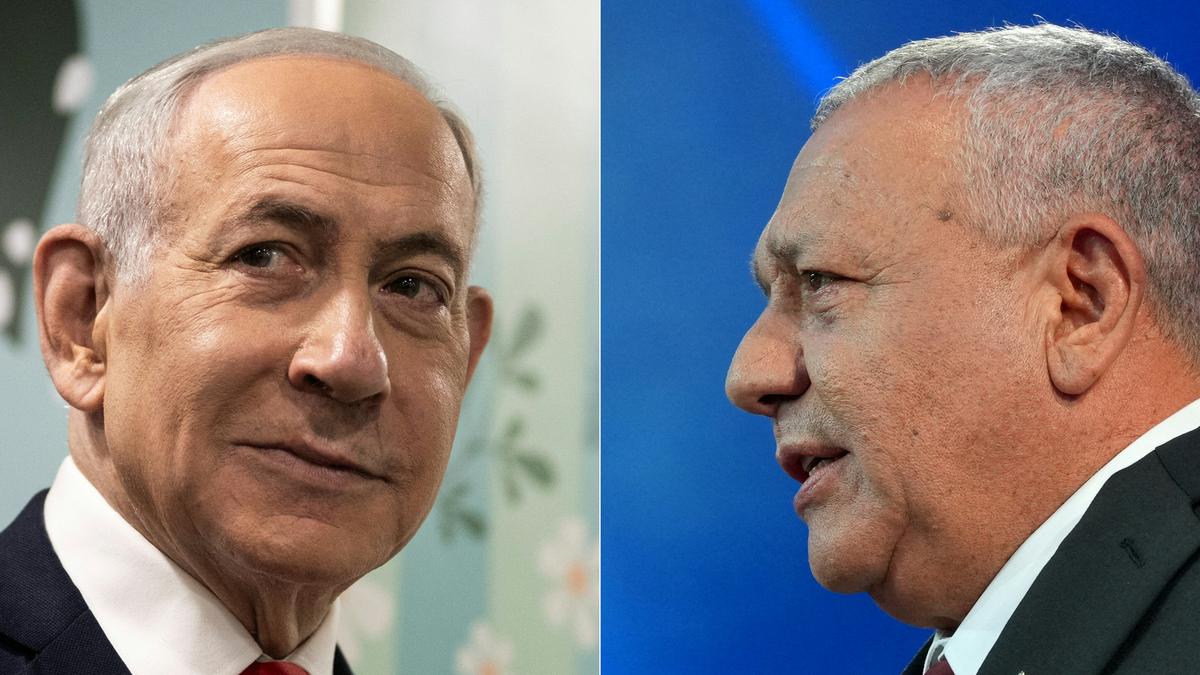
As Israeli elections approach, exit polls suggest that Gadi Eisenkot’s coalition has a viable path to challenge Prime Minister Benjamin Netanyahu’s dominance, especially if Arab-led parties join forces. Observers indicate this election has witnessed a notable surge in support for Arab parties, which could secure a historic number of seats in the Knesset, Israel’s parliament.
Initial analysis from voting indicates that these Arab parties, primarily the Joint List and Ra’am, may obtain a combined total of 17 seats in the 120-member Knesset. This represents a significant political presence that cannot be overlooked by the two main blocs contending for power. Daniel Shek, the former Israeli ambassador, highlighted this shift, stating, “The statement is clear: You cannot disregard such a large portion of the electorate in the calculations for Israeli politics.”
However, despite the potential for influence, experts have expressed scepticism regarding Arab parties assuming a “kingmaker” role in forming a government. The dynamics of Israeli politics present what many describe as a veto against these parties, limiting their ability to translate electoral success into meaningful political power. Honaida Ghanam, director general of the Palestinian Forum for Israeli Studies in Ramallah, pointed to systemic biases, stating that Arab citizens are often viewed as “illegitimate” partners in governance.
Current projections show Netanyahu’s coalition leading with 54 seats and Eisenkot’s alliance trailing slightly behind with 49. A collaboration between Eisenkot’s group and the Arab parties could potentially reach 61 seats, enough to oust Netanyahu. Reports from The Times of Israel indicate that such a partnership might achieve an aggregate of 66 seats.
Palestinian political analyst Ahmed Najar opined that a coalition with Arab parties presents a plausible path for Eisenkot to dethrone Netanyahu. He observed that Eisenkot has imposed criteria that make joining forces with Arab parties contingent on loyalty tests, which may hinder necessary collaboration.
On the other hand, supporters of a potential alliance note that Mansour Abbas, the leader of Ra’am, has shown openness to partnership with Eisenkot, provided specific concerns regarding internal security are addressed. There is hope that such a coalition could foster improved relations between Jewish Israelis and Palestinian citizens.
Yousef Jabareen, leader of the Joint List, expressed readiness to mobilise support against Netanyahu, stating that the government has severely impacted the quality of life for Arab citizens. Meanwhile, Ahmad Tibi, another leader in the Joint List, indicated the bloc’s willingness to assist the opposition in displacing Netanyahu.
Nevertheless, significant challenges remain. The more hardline factions in Israeli society are expected to resist any government that relies on Arab parties, complicating Eisenkot’s political calculations. Najar urged Eisenkot to win over partners within his alliance, including Naftali Bennett and Avigdor Liberman, to shift the prevailing ideologies that dismiss Arab political representation.
The situation remains fluid, with various potential outcomes on the horizon. Analysts have outlined the possibility of another election, a minority government backed by Arab parties, defections to Netanyahu’s coalition, or even a national unity government. Ghanam underscored the resilience of Netanyahu’s coalition, which has remained consistent in its support.
Eisenkot has previously stated he would be open to alliances with any parties that acknowledge Israel’s identity as a Jewish state and adhere to values outlined in the Declaration of Independence. However, questions persist about the legitimacy of Ra’am under these criteria.
In the aftermath of the 2021 elections, Ra’am emerged as a crucial player, illustrating that shifts in political alliances can reshape outcomes significantly. Despite past collaborations, ideological obstacles remain prevalent, with many viewing partnerships with Arab parties as undesirable.
As the elections draw closer, the dialogue surrounding the participation of Arab parties will likely intensify, with both Netanyahu and Eisenkot offering contrasting visions for Israeli governance. Netanyahu has firmly opposed the idea of including Arab parties, decrying such a partnership as “a shame and a disgrace.” The evolving landscape of Israeli politics continues to encompass myriad challenges and opportunities for change.

Severe Weather Hits Raipur as Schools Close Due to Cyclone Arnab
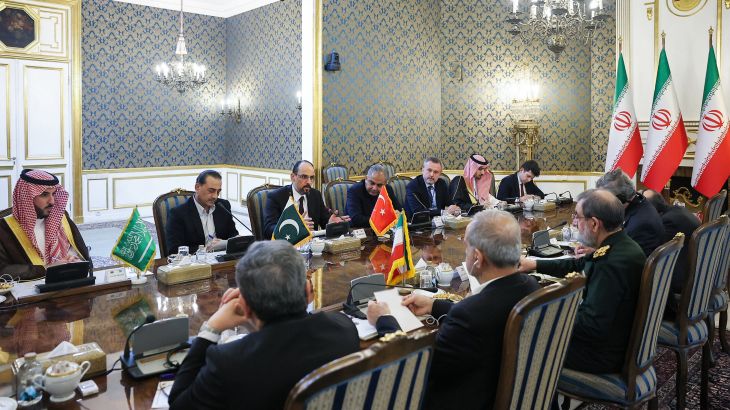
Iran Negotiations May Alleviate Shipping Risks for Indian Chemicals
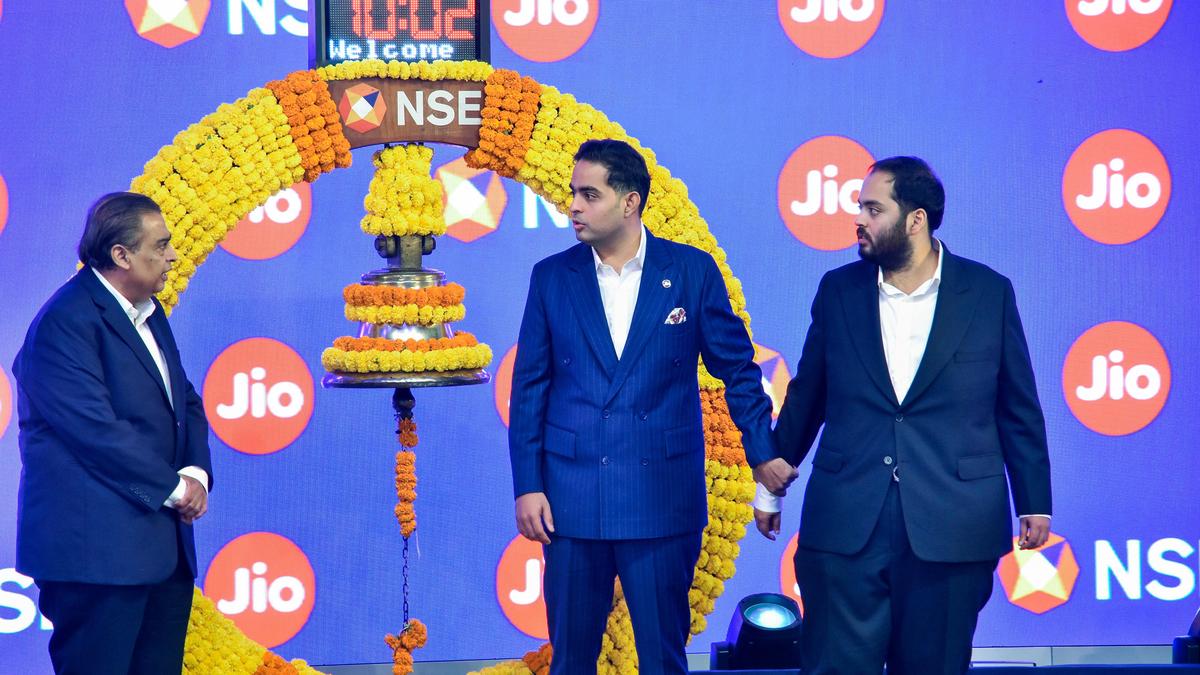
Jio Becomes Second Most Valuable Company in India on Market Debut
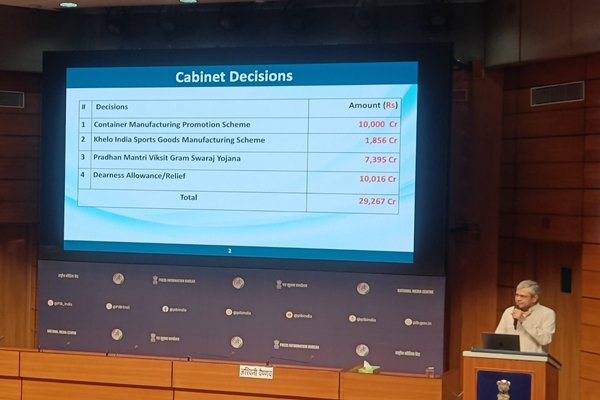
Indian Government Launches ₹10,000 Crore Scheme for Manufacturing