Impact of US-Bangladesh Trade Deal on Indian Textile Exports


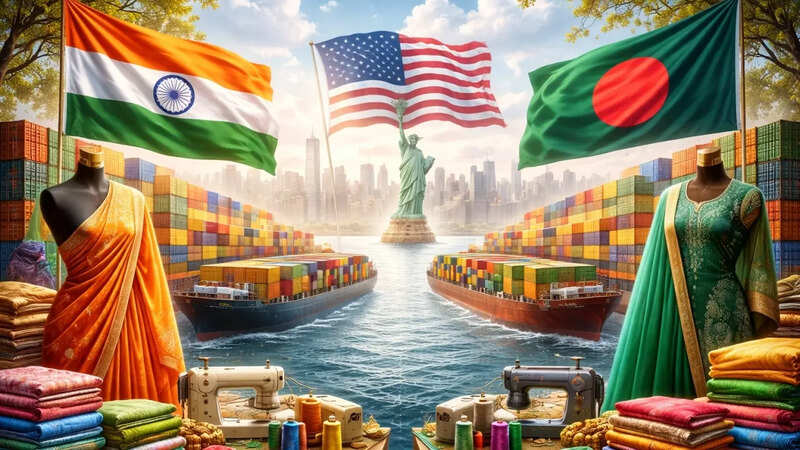
The recent announcement of a trade agreement between the United States and Bangladesh has prompted concerns among Indian textile exporters regarding their competitive advantage in the lucrative US market. As part of the new deal, the US has permitted specific Bangladeshi textile and apparel exports to enter the market at zero tariffs, stirring uncertainty among Indian businesses.
Prior to this agreement, Indian textile exporters celebrated the reduction of tariffs from 50% to 18% as part of a separate deal with the Trump administration. This change positioned India favourably among countries exporting to the US, outranking competitors such as Bangladesh, Pakistan, Vietnam, and China in tariff rates. However, the recent development granting select Bangladeshi products zero-tariff access has shifted the dynamics.
The zero-tariff provision applies specifically to Bangladeshi textile goods manufactured using American cotton and man-made textiles, thereby directly impacting the cost competitiveness of Indian exports. While India's textiles now face an 18% tariff, the Bangladeshi garments benefiting from this clause are expected to be cheaper in the US market.
The US is a principal market for Indian textile exports, accounting for approximately $10.5 billion, or 30% of the country’s textile and apparel shipments. Amid previous high tariffs, Indian textile exports experienced a significant drop, decreasing by over 31% year-on-year in November 2025. The recent reduction in tariffs provided a much-needed boost to the sector, which plays a crucial role in India's economy, contributing 2.3% to its gross domestic product (GDP).
Moreover, the dependence of Bangladesh on cotton imports raises additional concerns for India’s cotton traders. Once the largest supplier of cotton to Bangladesh, India is now witnessing a decline in this business as Bangladesh seeks to diversify its imports. Tensions have arisen due to shifts in political allegiances in Bangladesh, which have influenced trade relations and cotton sourcing strategies.
The opposition party, Congress, has highlighted these developments, arguing that the US-Bangladesh trade deal represents a significant setback for the Indian textile industry. Criticism stems from the belief that it jeopardises the livelihoods of cotton farmers and yarn spinners across India. Congress has asserted that this trade deal can potentially weaken India's textile sector and lead to job losses.
With the signing of the final trade agreement expected in the coming weeks, India's government may need to address the implications of the zero-tariff provision to safeguard its textile sector. The ongoing dialogue will likely shape future negotiations and potentially secure concessions vital for sustaining Indian exports against newly emerging challenges.
Trump and Xi Discuss Trade, AI, and Taiwan Amid Diplomatic Tensions
Xi Jinping Seeks Greater Concessions from Trump Amid Trade Talks
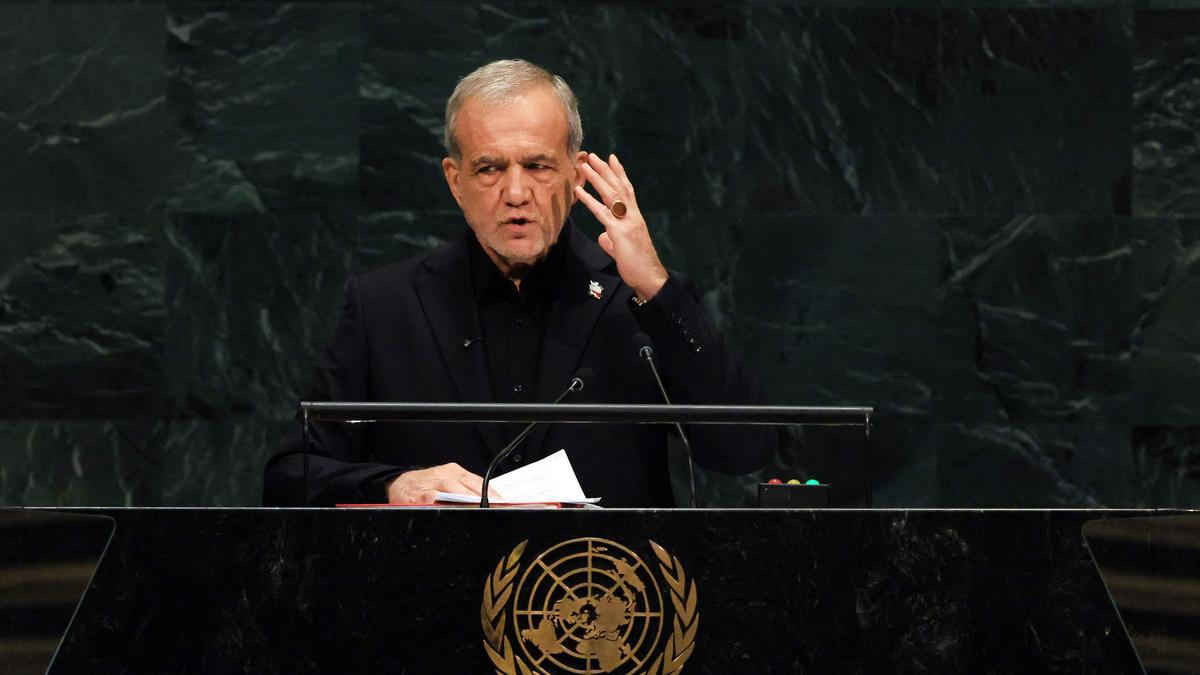
Iran's President Addresses Ongoing Conflict and External Threats
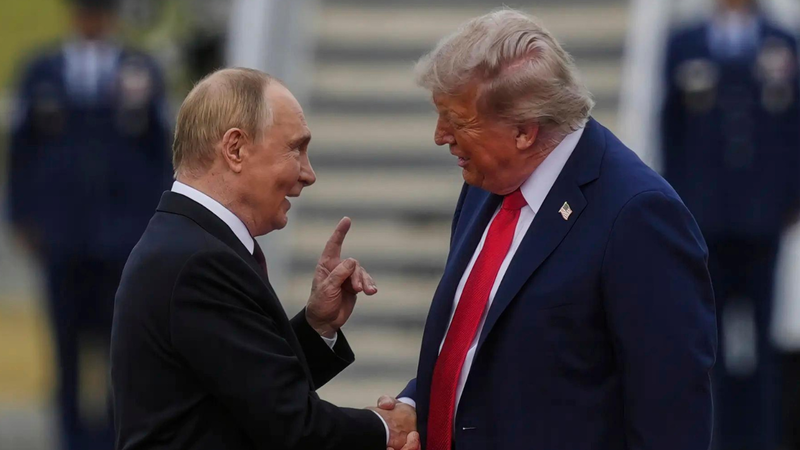
United States Invites Vladimir Putin to Miami G20 Summit