IMF Projects 7% Growth for India Amid Global Economic Challenges


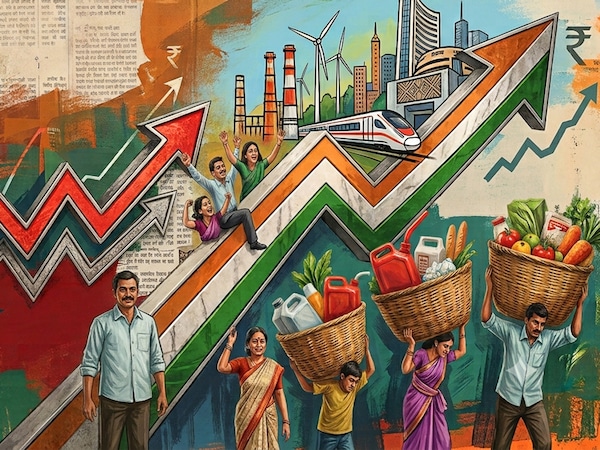
The International Monetary Fund (IMF) has raised its growth forecast for India's economy to 7% for both fiscal years 2027 and 2028. This revision comes despite rising oil prices and a global economy that is experiencing a slowdown. The IMF attributes its optimistic outlook to several factors contributing to India's economic resilience.
Domestic consumption has remained robust, bolstered by significant infrastructure investment and a rebound in private investment. Additionally, the report highlights a surge in capital expenditure related to artificial intelligence as a vital component supporting economic growth.
Nevertheless, the outlook is not entirely without challenges. Rising inflation, elevated energy costs, and weakened rural demand are identified as potential risks that could temper growth. The IMF's confidence in India's economic trajectory stands in stark contrast to various global uncertainties.
As India navigates these complexities, the Reserve Bank of India (RBI) has indicated a cautious approach in its monetary policy. It has recently adjusted its inflation and growth forecasts, suggesting an acknowledgment of price pressures affecting the economy. The RBI anticipates a consumer price index (CPI) inflation rate of 5.2% for FY27, up from 5%, while raising the GDP growth estimate to 7.1%, compared to a previous projection of 6.7%.
Analysts express a mixed view on the RBI's strategy of addressing supply-side inflation through demand-side tools such as interest rate hikes. According to Kapil Gupta, chief economist at Nuvama Institutional Equities, using these tools might be counterproductive when addressing issues that stem predominantly from supply disruptions.
The RBI's recent policy stance has raised its repo rate by 25 basis points to 5.5%, indicating a shift towards 'calibrated tightening'. RBI Governor Sanjay Malhotra has noted the growing concerns around inflation, which appears to be expanding beyond just food and fuel costs. The central bank acknowledges that persistent price pressures are influenced by multiple factors, including recent weather conditions and global energy markets.
In September 2023, India's retail inflation rate rose to 5.5% year-on-year, up from 4.8% in August. Food inflation surged significantly, particularly in the case of staples such as onions, which saw prices more than double compared to the previous month's levels. Energy costs also remain a concern, with the country importing oil at prices nearing $100 per barrel.
The confluence of strong growth projections and inflationary pressures presents a conundrum for Indian policymakers. With crumbling global market conditions and a burgeoning consumer market, India's economic outlook remains intriguing and complex, suggesting both opportunities and potential pitfalls ahead.

India and Czech Republic Explore Aircraft Manufacturing Partnership
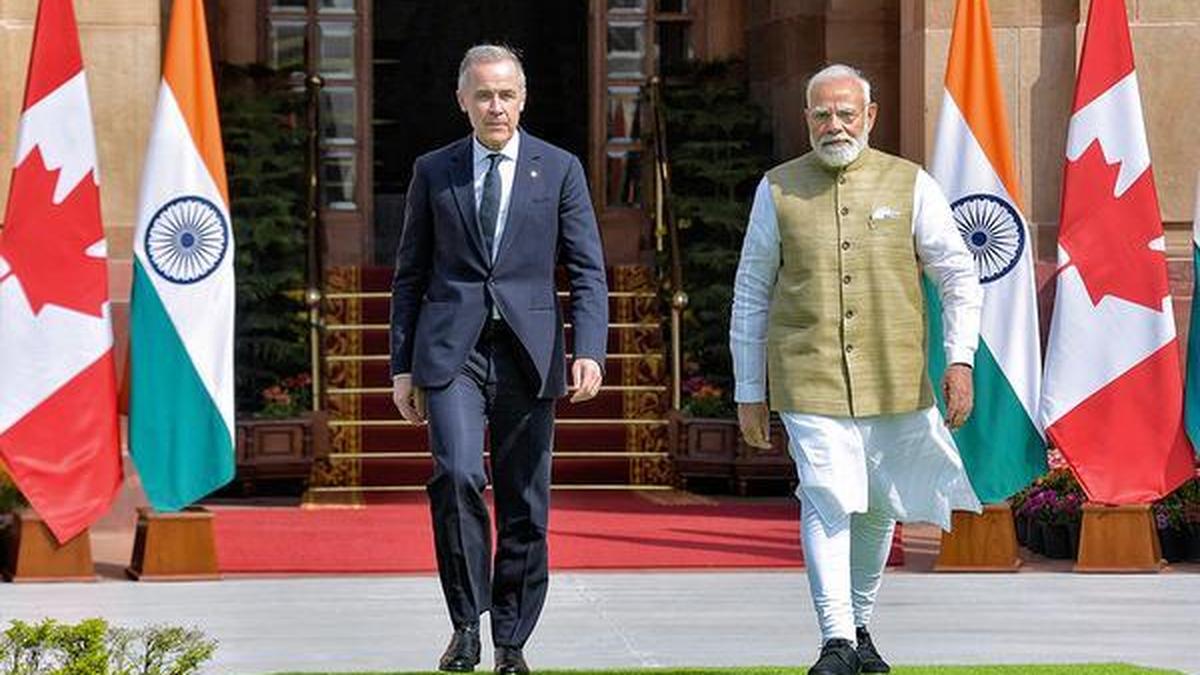
India, Canada Discuss Global Stability and Prosperity

Tragedy in Bihar: Boat Capsizes Leaving Several Dead

Amit Shah Critiques Rahul Gandhi Amid Ongoing Electoral Protests