H3N2 Subclade K: New Flu Variant Raises Concerns in US and Europe


A new variant of influenza, known as H3N2 Subclade K, is causing concern as it spreads across the United States and Europe. This strain is a genetically modified version of the H3N2 virus, which has been prevalent in seasonal flu outbreaks. Experts are monitoring its transmission and impact closely, especially during the busy holiday season.
Current Situation
The H3N2 Subclade K variant has been identified as the predominant strain circulating this winter. Dr. Scott Roberts, an assistant professor at the Yale School of Medicine, noted that while H3N2 is a common flu strain, the specific mutations present in subclade K appear to enhance its ability to evade immunity from previous infections and vaccinations. This could lead to a higher number of flu cases than in prior years.
Scott Hensley, a professor of microbiology at the University of Pennsylvania, highlighted that although it remains uncertain whether this new variant causes more severe illness than its predecessors, it is anticipated to spread widely, particularly after the holiday period when travel and gatherings increase. Data from the Centers for Disease Control and Prevention (CDC) indicates that flu cases are currently aligning with typical seasonal expectations, but a surge is likely in January and February.
Flu Vaccination
Health professionals are advocating for flu vaccinations, as these shots still provide a degree of protection against severe illness. Preliminary research suggests that the current flu vaccine may be more effective than initially feared, with early results indicating an efficacy rate of approximately 70% to 75% in preventing hospitalisation for children and around 30% to 40% for adults.
Seema Lakdawala, an associate professor at Emory University, emphasises the importance of getting vaccinated, stating, "The vaccine is your armour. It's going to prevent you from getting badly beaten."
Basic Precautions
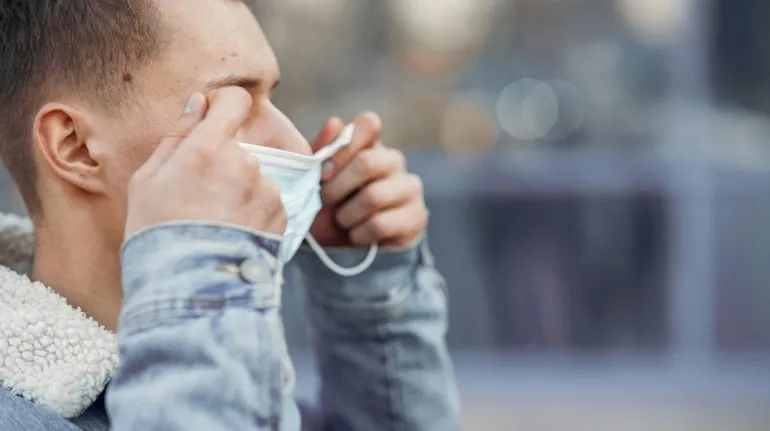
In addition to vaccination, health experts recommend taking standard precautions to minimise the risk of contracting the flu. This includes frequent handwashing, wearing masks in crowded spaces, and improving indoor ventilation. Disinfecting surfaces that may harbour the virus is also advisable, as the flu virus can survive on hard surfaces for extended periods.
Identifying Flu Symptoms
Flu symptoms typically manifest more abruptly compared to other respiratory viruses. Patients often report an immediate feeling of being unwell, akin to being "hit by a truck," which contrasts with the gradual onset of illnesses like COVID-19. Common symptoms include: - Sudden high fever - Persistent dry cough - Chills and sweats - Sore throat - Moderate to severe headaches - Nausea, vomiting, or diarrhoea, particularly in children - Extreme fatigue and body aches
Symptoms usually appear 1 to 4 days after exposure and can last around a week in healthy individuals, although fatigue and cough may linger longer. Vulnerable groups, such as older adults, young children, and those with chronic health conditions, may experience more severe symptoms.
Testing and Treatment
Given the similarities in symptoms between flu and COVID-19, testing can be essential for accurate diagnosis. At-home combination tests are now available that can detect both viruses. These tests are valuable for determining whether antiviral medications, such as Tamiflu, should be used to hasten recovery from the flu.
In summary, the emergence of the H3N2 Subclade K variant underscores the necessity of vaccination and taking preventive measures during the holiday season. As flu cases are projected to rise, public health officials are urging individuals to remain vigilant and proactive in safeguarding their health.
For further information on flu symptoms and preventive measures, consult with healthcare providers or local health authorities.
India's Jaishankar Criticises Pakistan at UN General Assembly

Iran Asserts Readiness for War Amid Rising Tensions in Hormuz
Israeli Prime Minister Netanyahu Makes Unannounced Visit to UAE

World Leaders Gather for Climate Summit, Pledges Made