Gulf Nations Mobilise for Diplomatic Efforts Amid US-Iran Tensions


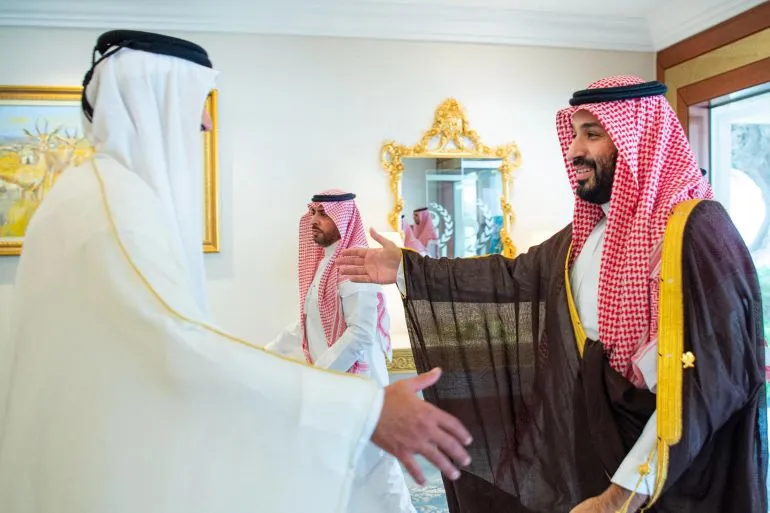
Gulf countries are actively engaging in diplomatic initiatives aimed at averting the risk of a military conflict involving the United States and Iran. Leaders in the region are concerned that an escalation could lead to widespread chaos, with significant repercussions for their nations.
With tensions high following recent incidents, Gulf nations, including Saudi Arabia and the United Arab Emirates, are advocating for dialogue and restraint. They recognise that a potential US attack on Iran or the collapse of the Iranian government would destabilise the already fragile regional security landscape.
The push for diplomacy comes as US President Donald Trump faces mounting pressure from both allies and adversaries to reconsider any military actions against Iran. Reports indicate that Gulf allies have been vocal in their discussions with the US administration, emphasizing the dire consequences that military confrontation could entail.
Saudi Arabia, a key player in the Gulf, has previously expressed its opposition to strikes against Iran. This stance highlights Riyadh's understanding of the intricate balance of power in the region and the potential fallout from aggressive actions.
According to a statement from a senior official from the Saudi Foreign Ministry, “We believe that dialogue is the only solution to the tensions in the region. A military conflict would not benefit any party involved.” This sentiment is shared among various Gulf leaders who fear instability could lead to further violence and economic disruption.
Regional analysts suggest that the diplomatic efforts are an attempt to create a buffer against a US-Iran confrontation. The Gulf Cooperation Council (GCC), which includes Bahrain, Kuwait, Oman, Qatar, Saudi Arabia, and the United Arab Emirates, has reiterated its commitment to a peaceful resolution of disputes and warned against escalating military action.
In the backdrop of these diplomatic initiatives, protests against US foreign policy have emerged in various capitals across the region. Citizens rallying against potential military intervention express concerns over the economic and humanitarian costs such actions could entail.
As the situation unfolds, the outlook for US-Iran relations remains uncertain. Both sides have yet to show willingness for substantial dialogue, making the role of Gulf countries increasingly critical in mediating tensions. The international community watches closely, with the hope that continued diplomatic engagement can stave off further escalation.
The repercussions of these ongoing tensions are not limited to the Middle East. Global markets and energy supplies are closely tied to stability in this region, and any outbreak of conflict could disrupt oil prices and international trade dramatically.
As Gulf nations pursue a collective diplomatic approach, they face the daunting challenge of balancing their relationships with both the US and Iran, while navigating the complexities of regional geopolitics. The next steps taken by these nations will be pivotal in determining whether peace or conflict prevails in the coming months.
Trump, Putin, and Xi to Meet at APEC Summit in Shenzhen, China
Congress Criticises Adani for Dramatic Cost Cut in Maharashtra Project

Urban Infrastructure Crucial for India's Manufacturing Growth

India Extends Ban on Zakir Naik's Islamic Research Foundation