Global Trade Shifts as Trump Imposes New Tariffs Following Court Ruling


Following a ruling from the United States Supreme Court that nullified several tariffs implemented by former President Donald Trump, the landscape of global trade has shifted significantly. In a swift response, Trump announced a new 15% tariff on imports from all countries, altering previously established trade agreements and dynamics.
The Supreme Court's decision, which ruled that Trump's use of the International Emergency Economic Powers Act was unlawful, has led to reduced tariff levels for major trading partners. China, India, and Brazil are now positioned to benefit from lower tariffs, with these nations gaining a strategic advantage in their export markets.
Before this recent development, tariffs on Indian goods had reached as high as 50% but were reduced to 25% in February 2026. After the court ruling, these tariffs declined further to 10%, subsequently rising to 15% shortly thereafter, representing the maximum permissible limit under Section 122 of the Trade Act. Despite the increase to 15%, the new rate remains an improvement over the previously set 18% in a bilateral agreement established earlier this month.
China's government responded cautiously to the announcement, expressing concern over the continuation of Trump's tariff regime through other trade instruments. Beijing urged the US administration to abolish its unilateral tariffs, asserting that no party benefits from a trade war and that protectionism yields no favourable outcomes.
The United Kingdom appears to be facing the harshest consequences of the recent tariff adjustments. Previously enjoying lower reciprocal tariffs, British businesses now risk incurring steeper duties due to the tariffs imposed on all trade partners. Reports from Global Trade Alert suggest that the UK could face substantial increases in export costs to the US, potentially reaching £3 billion ($4 billion) and impacting around 40,000 companies.
UK officials are actively seeking discussions with the US administration to exclude the nation from the higher tariff rate. Cabinet minister Bridget Phillipson stated, "We are having conversations at the highest levels to make sure that what we regard as being in our national interest is heard loud and clear with our American counterparts.”
Within Europe, the European Commission emphasised the need for the US to adhere to the trade agreement reached the previous year. A statement from the EU underscored, "A deal is a deal,” urging the US to honour its commitments. Amidst the increasing tariffs, the European Parliament’s trade committee is considering pausing the ratification of the trade agreement until the new US trade policy is clarified.
According to Bernd Lange, the chairman of the Parliament's trade committee, there will be a proposal to withhold legislative progress on the agreement until a comprehensive legal assessment is provided by the US.
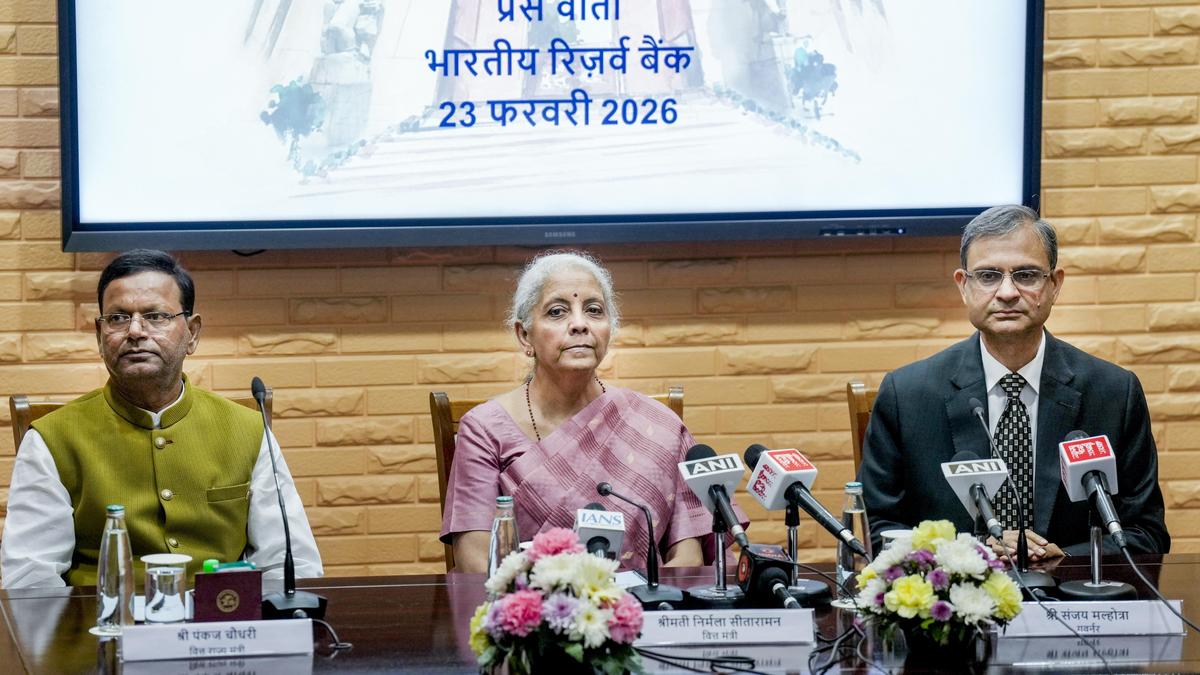
India's response has been measured. Finance Minister Nirmala Sitharaman remarked that it is still too early to assess the changes brought about by the new tariffs. She indicated that the Commerce Ministry is reviewing the situation, as the country weighs its priorities in trade negotiations. India's planned meeting for trade negotiations with the US has since been rescheduled as officials seek clarity on tariff implications.
As the new tariffs are implemented, the challenge remains for the United States to navigate its trade relationships and manage the ramifications of its protectionist stance on global trade dynamics. With the shifts in tariff structures reflecting broader geopolitical tensions, ongoing dialogues between nations will prove critical in shaping future trade agreements.
Kerala Initiates Probe into 2006 Suicide Case Involving CEC

Extradition of Sheikh Hasina Feasible, Says Indian High Commissioner

Punjabi Makeup Artist Mad Sandhu Shot Dead in Amritsar
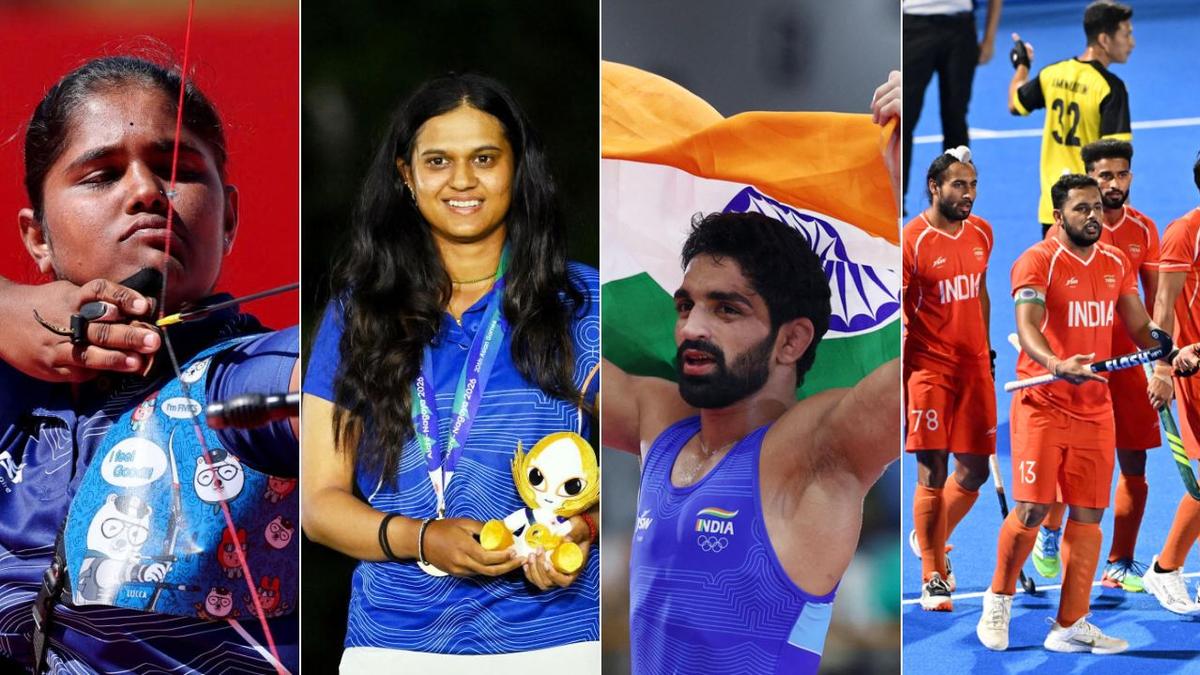
India Achieves Fourth Place at Asian Games 2026 Through Late Success