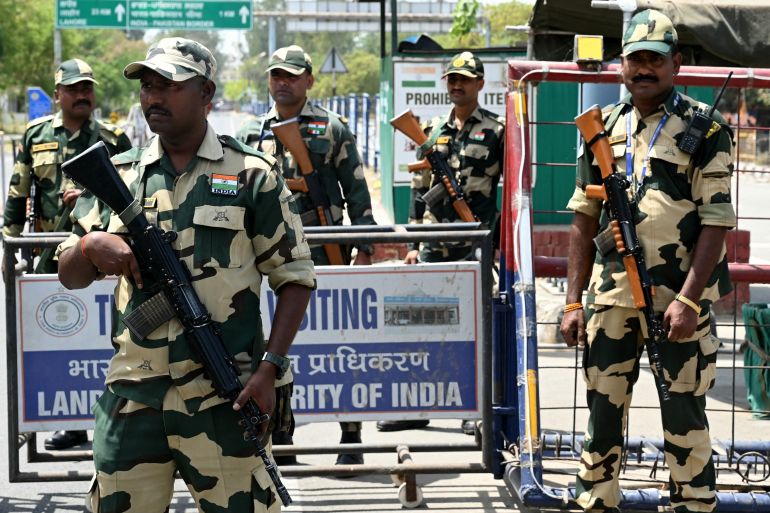
Global Trade Faces Disruptions Amid Geopolitical Tensions


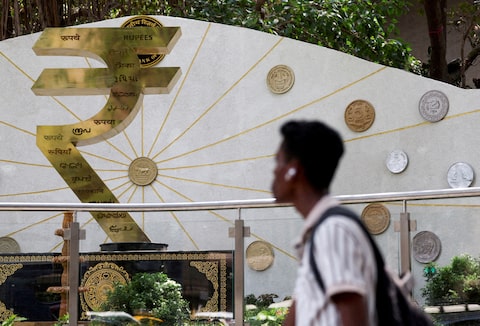
Recent developments in international relations have begun to have a noticeable effect on global trade networks. Analysts have reported that heightened geopolitical tensions, particularly between major economies, are causing disruptions that could reshape trade flows.
In recent months, ongoing disputes among key nations have led to caution among businesses. Companies are reassessing their supply chains, often considering alternatives to mitigate risks that come with political uncertainties. This shift is not only affecting the availability of goods but also altering pricing structures in various markets.
Officials have indicated that some sectors are experiencing more pronounced effects than others. For instance, industries reliant on raw materials from specific regions are particularly vulnerable, with delays and increased costs becoming commonplace. As global demand for certain products continues to rise, the ripple effects of these tensions are contributing to supply shortages in the short term.
Moreover, experts are forecasting that if the current trends persist, businesses may need to adjust their operational strategies significantly. This includes diversifying supply sources and optimising inventory management to adapt to a more volatile market environment.
The World Trade Organization has noted an increase in discussions about trade policies as nations seek to navigate these challenges. Trade agreements previously established are now under scrutiny as governments re-evaluate their economic relationships in light of evolving geopolitical landscapes.
In response to these developments, businesses are urged to stay informed and agile. As stated by a trade expert, “Understanding the changing dynamics of international relations is crucial for any business aiming to succeed in today’s environment.” This acknowledgment highlights the importance for firms to remain aware of not just market conditions but geopolitical contexts that may influence trade outcomes.
The situation remains fluid, and while some analysts anticipate a resolution in the near future, others warn that ongoing tensions could prolong the current disruptions. As nations continue to navigate these uncertainties, the global trade landscape is poised for further change, impacting not only exporters and importers but also consumers worldwide.
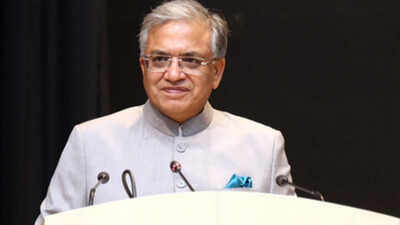
Kerala Initiates Probe into 2006 Suicide Case Involving CEC
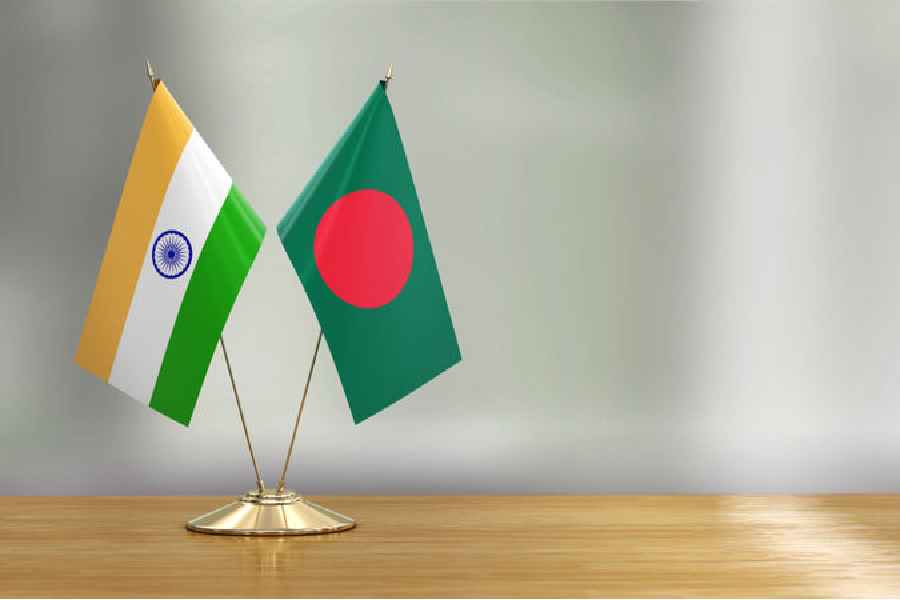
Extradition of Sheikh Hasina Feasible, Says Indian High Commissioner

Punjabi Makeup Artist Mad Sandhu Shot Dead in Amritsar

India Achieves Fourth Place at Asian Games 2026 Through Late Success