Global Streaming Services Face Increased Regulation Worldwide


Countries around the world are intensifying their regulatory scrutiny of streaming services, with many governments now introducing measures aimed at ensuring fair competition and the promotion of local content. This shift comes amid concerns that global streaming giants are monopolising the entertainment landscape.
In recent months, several nations have unveiled proposals to impose stricter regulations on platforms such as Netflix, Amazon Prime Video, and Disney+. These regulations typically include requirements to reserve a portion of content for domestic productions and ensure a fair share of revenues for local creators.
Australia is among the countries assessing its approach to streaming regulations. Officials have expressed the need to level the playing field for local production companies who feel disadvantaged by foreign market dominance. Similar discussions are taking place in Europe, where the European Union has proposed legislation that would mandate a quota for European works on streaming platforms.
In Canada, the government is also contemplating regulatory changes to support local creators. The Minister of Canadian Heritage, Pablo Rodriguez, highlighted that it is crucial to develop a regulatory framework that does not stifle innovation while fostering Canadian talent. This aligns with ongoing efforts globally as governments look to reshape the digital landscape in response to the growing power of international corporations.
Experts in media law have stated that while regulation can help support local content creators, it is essential for governments to strike a balance to avoid hindering competition. They caution against overly restrictive measures that may deter investment from international players, which could ultimately limit consumer choice.
The push for these regulations is reflective of broader trends in media consumption, where audiences are increasingly turning to streaming services for entertainment at the expense of traditional television. As more viewers shift to these platforms, policymakers are recognising the need to adapt to changes in media consumption patterns while ensuring local industries remain viable and strong.
Whether these regulatory measures will achieve their intended goals remains to be seen, but it is clear that the global streaming landscape is poised for further evolution as governments attempt to protect and nurture local creative industries.
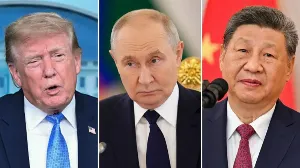
Trump, Putin, and Xi to Meet at APEC Summit in Shenzhen, China
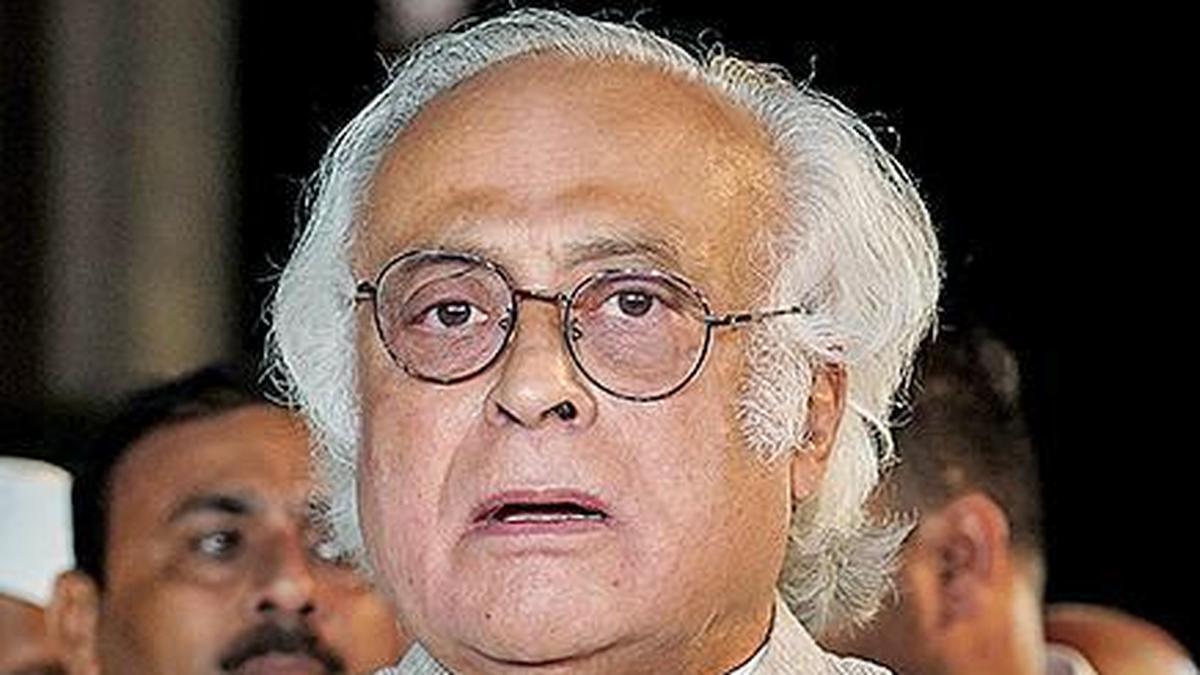
Congress Criticises Adani for Dramatic Cost Cut in Maharashtra Project

Urban Infrastructure Crucial for India's Manufacturing Growth

India Extends Ban on Zakir Naik's Islamic Research Foundation