Global Film Industry Faces New Challenges Amid Streaming Surge



The global film industry is currently navigating a series of challenges largely propelled by the surge of streaming platforms. With more audiences opting for on-demand viewing, traditional cinema attendance has experienced a notable decline in recent years.
Streaming services such as Netflix, Amazon Prime Video, and Disney+ have introduced a new model of content consumption, allowing viewers to access a vast library of films from the comfort of their homes. This shift has not only impacted box office revenues but has also forced studios to reconsider how they produce and distribute films.
Many analysts indicate a possible long-term change in audience behaviour, suggesting that the pandemic accelerated an existing trend towards digital consumption. As reported by Variety, significant delays in production and releases during global lockdowns have heightened the urgency for studios to adapt quickly to this evolving landscape.
In response to these challenges, some industry leaders are exploring hybrid release models, which include simultaneous theatrical and digital releases. This approach allows studios to maximise their reach while catering to the increasing preference for home viewing. Warner Bros. has notably embraced this strategy with its 2021 slate of films, which were released both in cinemas and on HBO Max simultaneously.
However, this transition is not without its critics. Cinema operators have expressed concern that releasing films digitally may undermine the theatrical experience, which has traditionally served as the primary revenue source for filmmakers. The National Association of Theatre Owners in the United States described the trend as a potential threat to the survival of cinemas, particularly independent theatres.
Moreover, the industry also grapples with increased production costs, influenced by heightened competition for talent and resources. With a growing number of streaming platforms investing heavily in original content, attracting top-notch writers, directors, and actors has become increasingly competitive.
The production landscape is further complicated by the ongoing effects of the pandemic, which continues to influence shooting schedules and the availability of filming locations. Many productions have adopted safety measures, such as regular testing and on-set social distancing protocols, which have impacted production timelines and budgets.
Despite these hurdles, some experts remain optimistic about the future of cinema. They argue that the unique experience of watching a film on the big screen cannot easily be replicated at home. Dr. John Smith, a film studies professor at the University of California, asserts, "While streaming services have reshaped viewing habits, nothing can replace the communal experience of a movie theatre."
As the film industry adapts to these new realities, stakeholders will need to balance the demands of digital audiences with the preservation of the theatrical experience, ensuring that both mediums can coexist in a rapidly changing entertainment landscape. In conclusion, the ongoing evolution of how films are produced, distributed, and consumed presents both challenges and opportunities, shaping the future of cinema on a global scale.

BJP Allies Urge Election Commission to Address Public Concerns

Thousands of Ganesh Idols Immersed in Telangana Festivities
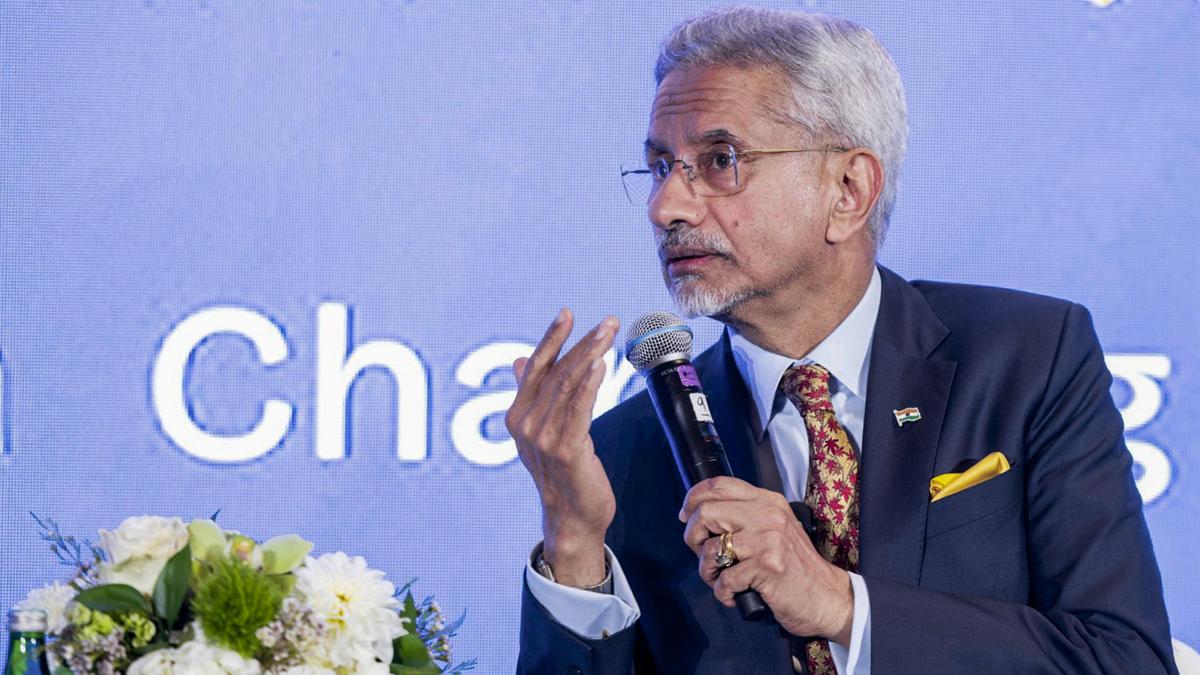
Jaishankar Calls Attacks on Civilian Shipping ‘Indefensible’

Indian Prime Minister Urges Integration of Social Reforms in Governance