UN Global Dialogue Calls for Inclusive AI Governance Worldwide


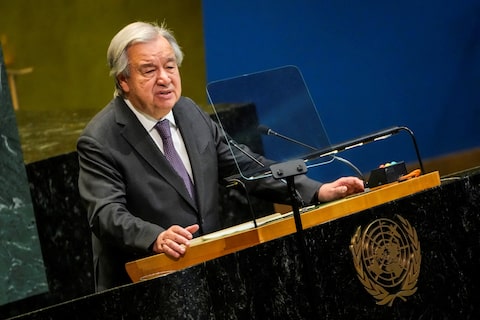
The United Nations Educational, Scientific and Cultural Organization (UNESCO) has launched a Global Dialogue focused on the governance of artificial intelligence (AI). This initiative aims to ensure that AI works for all countries, particularly those that may not have advanced technological capabilities. This unprecedented effort provides every nation with a platform to discuss and shape the future of AI.
The inaugural session of the Global Dialogue on AI Governance has been designed to include diverse voices from across the world, emphasising the importance of global participation in decision-making. UNESCO states that the aim is to make AI governance fairer, safer, and more accessible, addressing the imbalances that currently exist. The dialogue seeks to explore various themes, including opportunities presented by AI, how to bridge the technological gap, and the need for robust oversight of AI systems that adheres to international laws.
"Our collective success will be defined by every voice, perspective, experience, and contribution that is shaping the path forward for AI," noted Egriselda López, Permanent Representative of El Salvador to the United Nations and Co-Chair of the Dialogue. The scope of discussions will delve into how AI can be harnessed for developmental purposes while ensuring it uplifts human dignity and fosters equity.
The urgency of this dialogue is highlighted by the speed at which AI technology is advancing. Current regulations are often uneven, and countries with limited technological resources frequently have little influence over AI governance. By offering a platform where all governments can participate, UNESCO hopes to address these disparities and ensure that those most affected by AI can contribute to the conversation.
The AI Dialogue is not just about regulations; it aims to create a shared vision where technological advancements align with humanity's core values. This pivotal initiative aligns with efforts to achieve the Sustainable Development Goals by utilising AI in areas such as healthcare, education, agriculture, and disaster response. The message from the UN is clear: they are committed to addressing the pressing challenges of our time through collective action.
Moreover, the dialogue follows a preliminary report by the Independent International Scientific Panel on AI, which identifies pressing issues related to AI governance, particularly the divide between the Global North and Global South. This report underscores the need for equitable governance frameworks that resist the dominance of technologically advanced nations.
In preparing for future engagements, the AI Dialogue has already gathered feedback from over 1,500 submissions from various stakeholders, including governments, civil societies, private sector representatives, and technical experts. The outcomes indicate differing priorities, with governments prioritising capacity-building, while other groups highlighted the importance of safety as a key concern.
As the Global Dialogue continues, participants express the desire for the process to extend beyond initial discussions into actionable outcomes that can continually shape global AI governance. The dialogue concludes a week filled with significant discussions surrounding technology at the European UN hub in Geneva, coinciding with the annual AI for Good Global Summit.
This initiative marks a significant milestone in addressing AI’s potential and its risks, ensuring that governance reflects the input of diverse nations. Together, the aim is to move towards a future where AI serves as a tool for all, rather than a privilege for a select few, thereby creating an equitable digital landscape for future generations.
Kerala Initiates Probe into 2006 Suicide Case Involving CEC

Extradition of Sheikh Hasina Feasible, Says Indian High Commissioner

Punjabi Makeup Artist Mad Sandhu Shot Dead in Amritsar

India Achieves Fourth Place at Asian Games 2026 Through Late Success