France Prohibits Protests as Macron Blames Far-Left Groups for Unrest


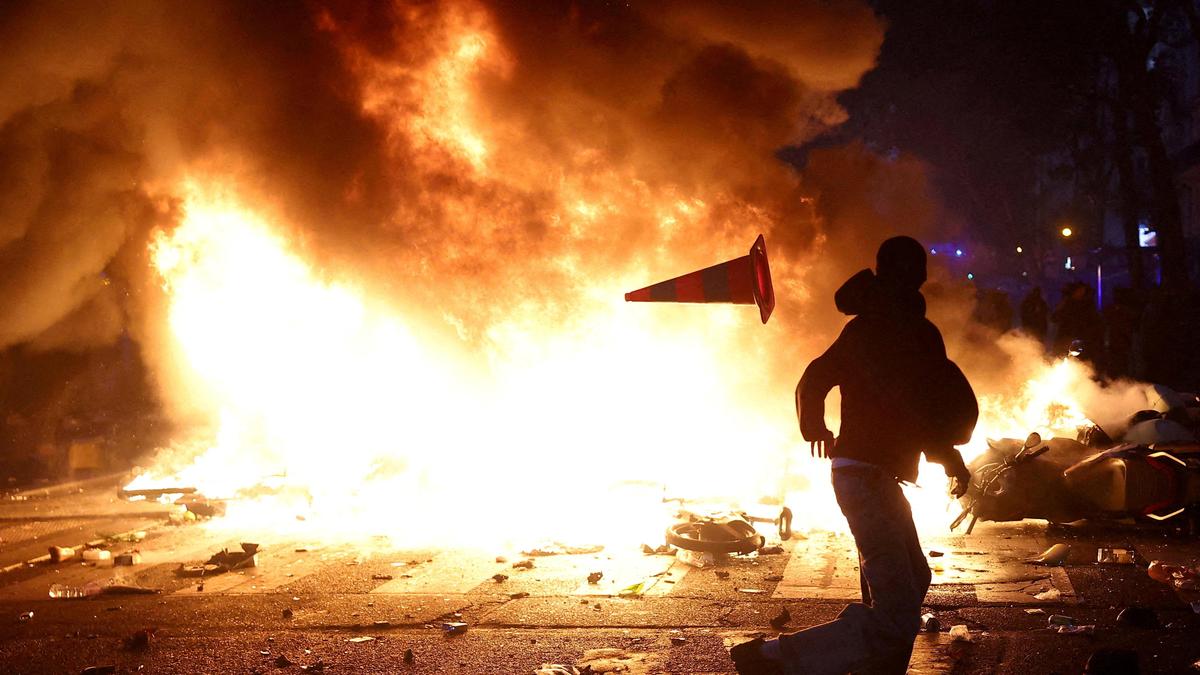
French authorities have imposed restrictions on protests across major cities including Paris, Lyon, Lille, and Grenoble, as President Emmanuel Macron held far-left groups accountable for inciting violence during recent demonstrations. Scheduled protests on Thursday have been explicitly banned in significant areas of Paris, notably surrounding the presidential Elysee Palace and key parliamentary buildings. This move comes in light of disturbances that led to significant looting over the weekend.
The Paris Police Prefecture announced that the ban would remain in effect until 8pm local time (18:00 GMT). A police source indicated to the Agence France-Presse (AFP) that the decision stemmed from the organisers' failure to prevent acts of violence and vandalism associated with prior protests.
The limitations on protests follow a large-scale demonstration on Saturday that saw over half a million participants. Many gathered to voice concerns about educational conditions and escalating living costs. Following the riots, French Justice Minister Gérald Darmanin reported that more than 2,700 individuals had been arrested, with a significant number already facing prosecution or conviction.
President Macron referred to the unrest as resulting from 'seditious acts' by what he termed 'ultra-left' factions, accusing them of attempts to undermine the Republic. Speaking from the Elysee Palace, he stated that France would enforce bans on any 'illegitimate' protests in the days to come. Approved demonstrations led by organised groups, such as unions, will be instructed to follow alternative routes to limit disruption in city centres and to protect businesses.
A substantial security operation has been planned for the coming demonstrations, particularly in light of the chaos experienced last weekend. The government has also confirmed that significant cultural institutions, including the Louvre and Orsay museums, will remain closed during Saturday’s demonstrations.
Criticism has emerged from various political figures, including Jean-Luc Mélenchon, a far-left candidate for the upcoming presidential election. Mélenchon condemned the government’s approach, attributing the unrest to what he described as 'non-stop brutal repression' by authorities. Conversely, Marine Le Pen, a far-right political leader, has accused Macron's administration of being excessively lenient and ineffective.
Prime Minister Sébastien Lecornu engaged with union representatives earlier this week, although no substantial outcomes were achieved. While discussions proceed, unions are planning a major action for November 5, urging private and public sector workers to participate. The unrest initially ignited last month at a high school in Créteil, southeast of Paris, where students protested against staff shortages. This movement has expanded, incorporating broader grievances regarding educational funding and rising living expenses.
Indian Parliament Speaker Addresses Impeachment of Chief Election Commissioner
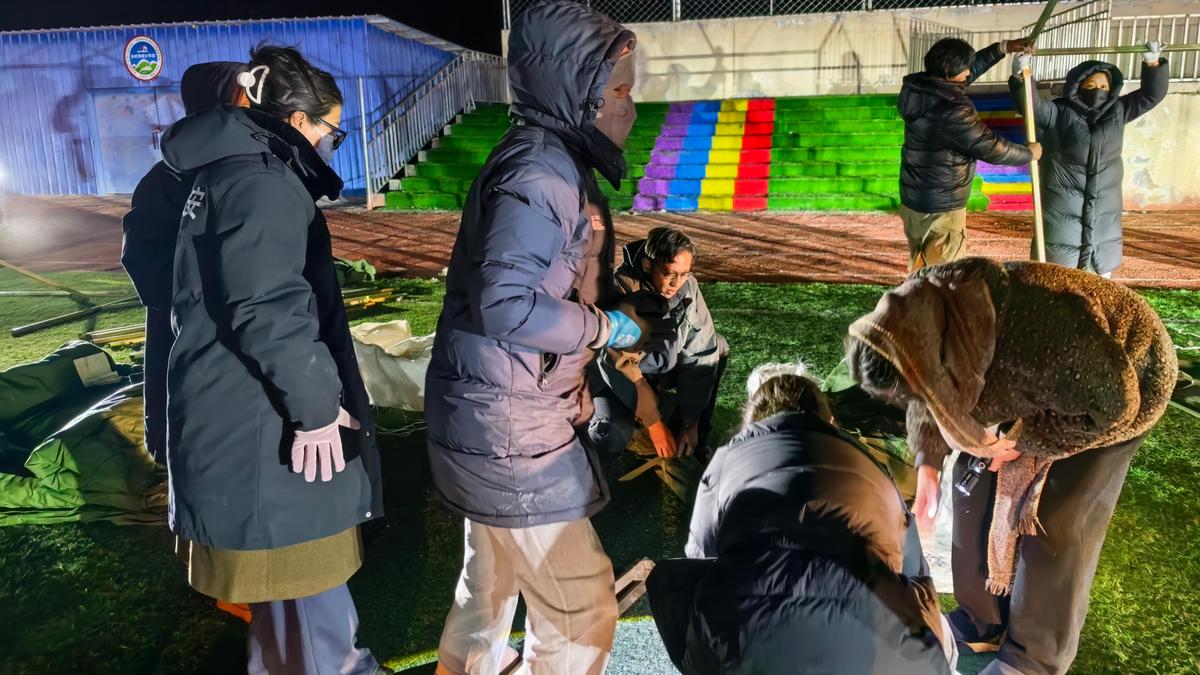
7.0 Magnitude Earthquake Strikes Tibet, Claiming 16 Lives
Trump Claims Ukraine's Starlink Service has been Restored
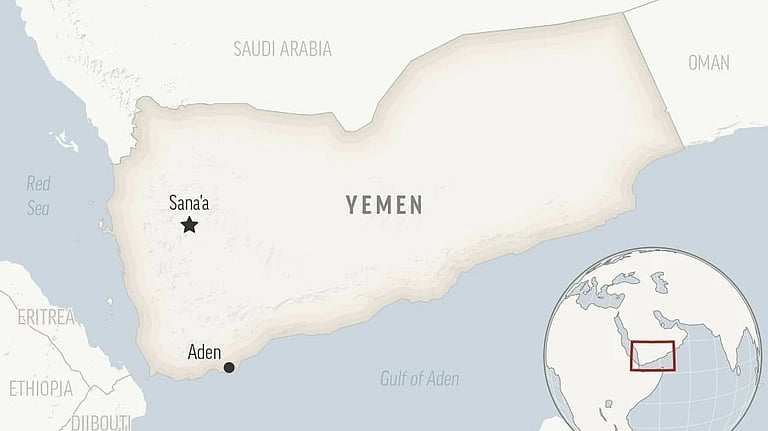
India Investigates Allegations of Saudi Strike on Yacht with Nationals