Ebola Outbreak in DRC Surpasses 5,500 Cases, Urgent Action Needed


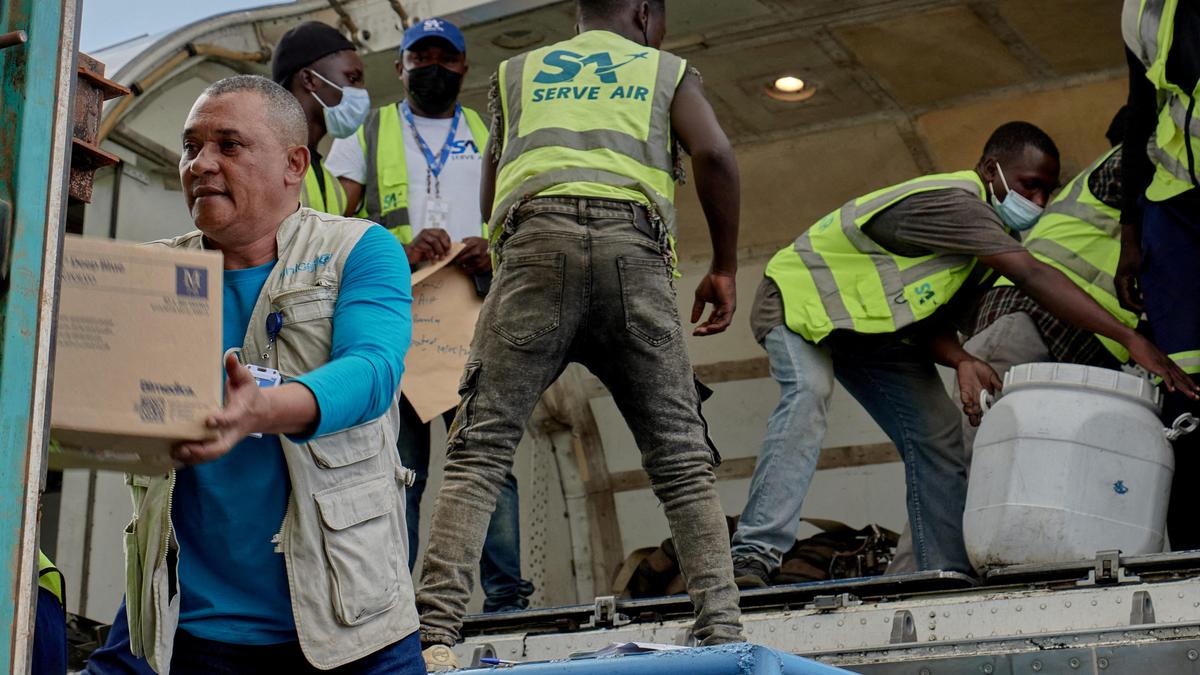
The Ebola outbreak in the Democratic Republic of the Congo (DRC) has seen a significant increase, with confirmed cases now exceeding 5,500. Official reports indicate that the virus has claimed the lives of 2,642 individuals, marking this as the deadliest outbreak recorded in the DRC's history. Recently, 51 new cases were identified in the provinces of Ituri and North Kivu.
This epidemic, which was declared in mid-May, represents the DRC's 17th encounter with the Ebola virus and has been classified as a Public Health Emergency of International Concern by the World Health Organization (WHO). The current situation is alarming as the case fatality rate has risen sharply from approximately 20% in early June to nearly 48%. This statistic means that nearly half of those infected are succumbing to the illness.
Efforts to undertake contact tracing have improved markedly, climbing from 30% in June to over 85% now. Despite these gains, the outbreak is exacerbated by numerous challenges, including armed conflict in the affected provinces, population displacement, and targeted attacks on healthcare personnel and facilities. Moreover, the mobility of the working population and inadequate infrastructure complicate containment efforts.
Approximately 160 health workers have been infected, leading to the deaths of about 45 of these frontline personnel, underscoring the risks faced by those trying to combat the virus.
The strain responsible for this outbreak is known as Bundibugyo, which is less common than the Zaire ebolavirus that has caused previous epidemics. There is currently no approved vaccine or treatment specifically for this strain. The WHO has committed to supplying 70,000 doses of the Ervebo vaccine, which has shown effectiveness in prior outbreaks. Early research indicates it may provide some protection against the Bundibugyo virus, although further studies are necessary.
Just recently, 16,250 doses of the vaccine were delivered to the DRC. WHO Director-General Tedros Adhanom Ghebreyesus, among other officials, has stated that the response in the DRC needs to be intensified, suggesting a scaling up of efforts by two to three times to adequately address the outbreak and cover all affected areas.
There are calls for increased support to safeguard health workers on the front lines, including the provision of protective equipment and timely remuneration, as well as access to rapid diagnostic services and quality care if they become ill.
Public health consultant Abdulsalami Nasidi remarked on the situation, calling attention to the problem of declining trust between health authorities and local communities, which hinders effective infection control measures. He stressed the global implications of the outbreak, stating, "This is no longer just a national or regional issue; it is a global issue. If it spreads to neighbouring places with lower immunity, it will be a disaster."
While the WHO currently assesses the risk to the global public as low, it warns that the threat within the DRC remains exceedingly high. Despite a surge in cases, Uganda and specific health zones in the DRC’s Ituri and South Kivu have successfully interrupted transmission, illustrating that rapid detection and community cooperation can successfully break chains of transmission.
In response to the worsening situation, Pope Leo expressed his concern for the DRC, offering prayers for those affected by the epidemic and urging a concerted global response. He encouraged the international community to engage local populations in preventive efforts, stating, "I urge the international community to respond in a way that also involves local communities in prevention efforts to save as many lives as possible."
Kerala Initiates Probe into 2006 Suicide Case Involving CEC
Extradition of Sheikh Hasina Feasible, Says Indian High Commissioner

Punjabi Makeup Artist Mad Sandhu Shot Dead in Amritsar

India Achieves Fourth Place at Asian Games 2026 Through Late Success