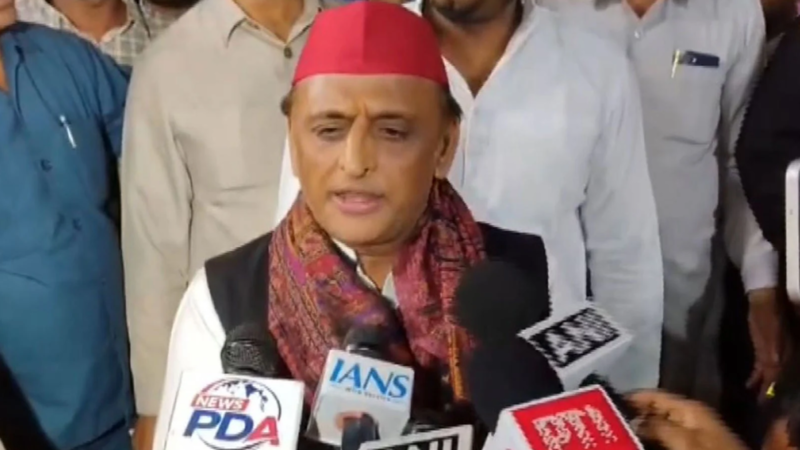
DMK Poised to Retain Tamil Nadu Amid Emerging Rival TVK



The Dravida Munnetra Kazhagam (DMK) alliance is anticipated to maintain power in Tamil Nadu, as indicated by multiple exit polls released on Wednesday. The DMK-led government is expected to overcome challenges from the All India Anna Dravida Munnetra Kazhagam (AIADMK) alliance and the newly formed Tamilaga Vetri Kazhagam (TVK), led by actor Vijay.
One forecasting agency, Axis-My India, has put forward an unexpected prediction, suggesting that the TVK could clinch nearly 100 seats. In contrast, other surveys like P-Marq and Matrize forecast the DMK alliance securing between 122 and 132 seats, while People’s Pulse estimates a range of 125 to 145 seats. Chanakya Strategies provides an even more optimistic outlook for the ruling alliance, estimating between 145 and 160 seats. Based on these assessments, even the lowest projections indicate that the DMK-led coalition, under Chief Minister MK Stalin, is well-positioned to secure its second consecutive term in the 234-member Tamil Nadu Assembly.
Moreover, the poll of polls indicates that the DMK alliance is expected to secure approximately 130 seats, comfortably above the halfway threshold of 117. Meanwhile, the AIADMK-led front, led by Edapadi Palaniswamy, is projected to win between 65 and 110 seats based on varying surveys. The consensus estimates 65 seats for the AIADMK alliance, suggesting a modest recovery but insufficient to close the gap with the ruling party.
It is crucial to note that exit polls are conducted through surveys of individuals who have just voted, aiming to gauge the prevailing voter sentiment, although they are not always accurate.
The rising prominence of Vijay’s TVK has notably disrupted the established political dynamics in Tamil Nadu, challenging traditional voting patterns. While most exit polls forecast 2 to 10 seats and a vote share of 5 to 8 per cent for TVK, particularly among younger demographics, even this level of support could influence outcomes significantly in competitive constituencies.
The entry of TVK appears to have fragmented votes across various regions, shifting the electoral landscape from a straightforward DMK versus AIADMK competition to a more complex three-way contest. One polling organisation diverges from the mainstream opinions; Axis-My India predicts a potential political phenomenon, suggesting that the TVK could secure between 98 and 120 seats paired with an impressive 35 per cent vote share, theoretically placing it near a majority.
Their research reveals that 77 per cent of participants expressed support for the TVK, citing a preference to break free from the historically bipolar political climate of Tamil Nadu.
If the Axis-My India forecast turns out to be accurate, Tamil Nadu may witness a significant historical shift on May 4, when the election results are announced.
Despite the Axis-My India prediction being an outlier, overall exit polls present a nuanced narrative: the DMK continues to lead, the AIADMK remains competitive, and the emergence of the TVK has redefined the electoral environment. For MK Stalin, even a tightly contested victory would mark an opportunity to disrupt Tamil Nadu’s long-standing tradition of alternating governance between major parties. Conversely, the data suggests that the opposition parties have struggled to present a cohesive challenge against the incumbents. For Vijay and the TVK, this election marks the beginning of their political journey, potentially reshaping future contests in the region.

Ceasefire Agreed in Oleshky Amid Ukraine's Humanitarian Crisis
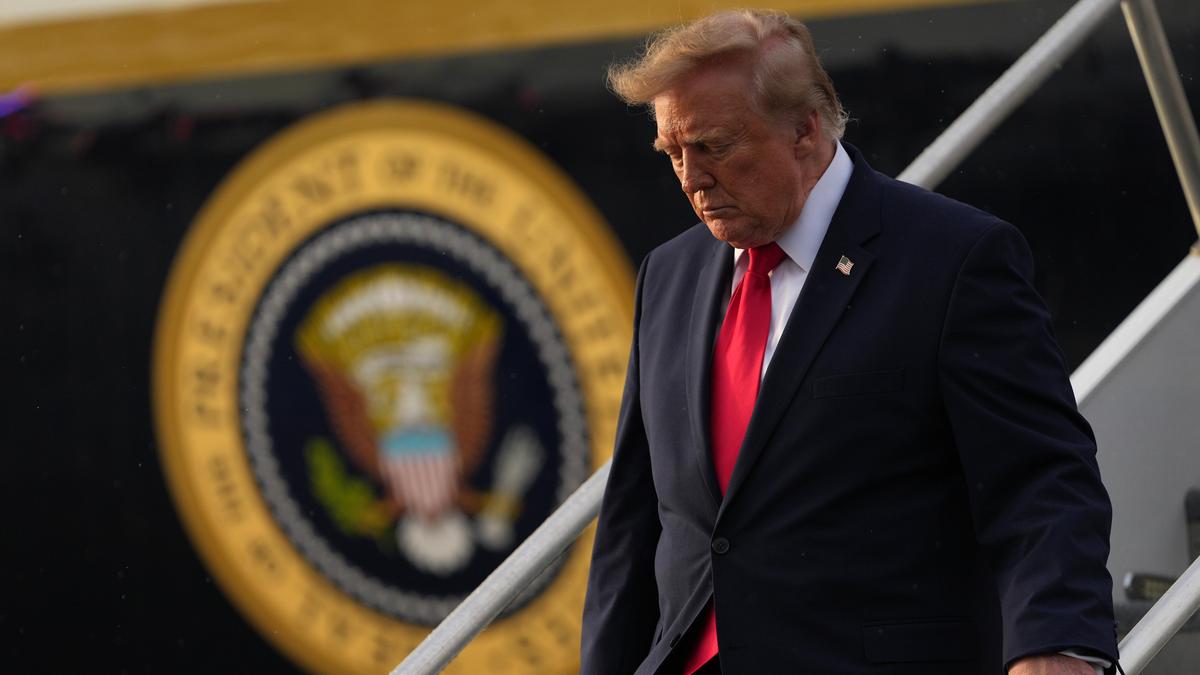
Donald Trump Hints at US Interest in Cuba After Conflict in Iran
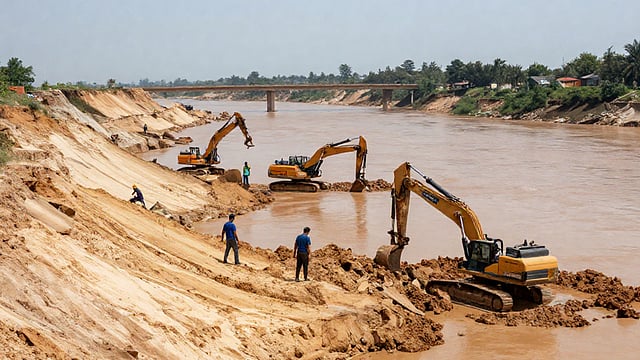
UK Court Rules Against India in RAKIA Investment Dispute
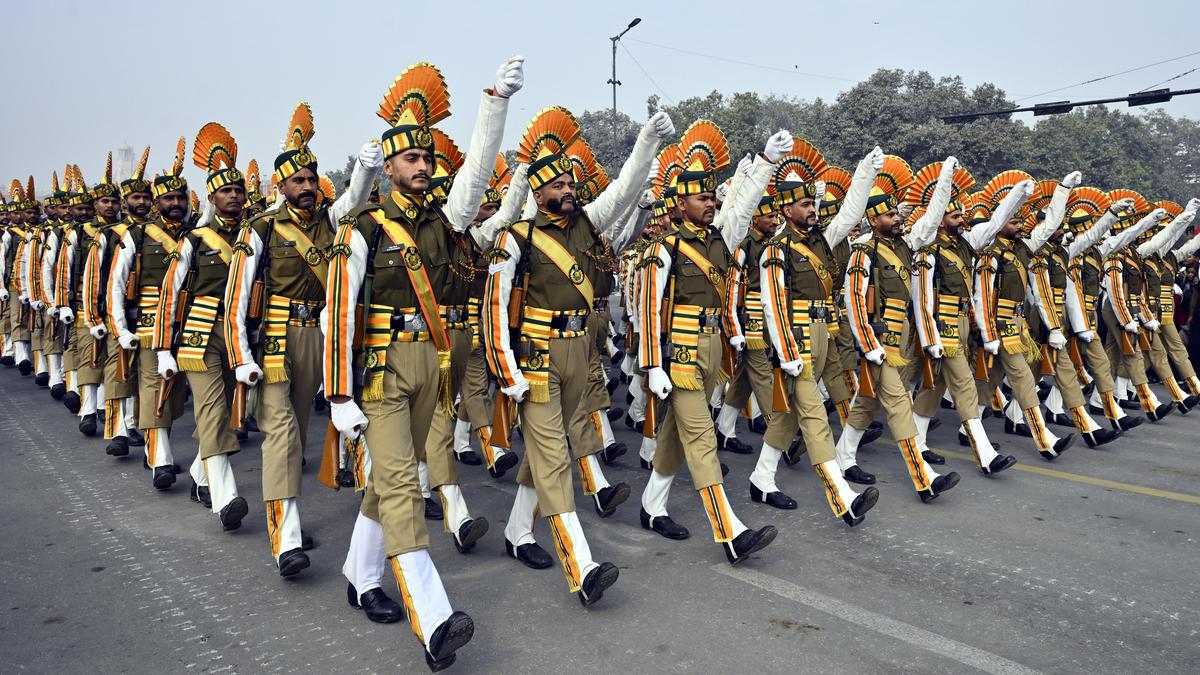
India Raises Concerns Over Chinese Border Patrolling Deviations