Dhurandhar: Examining Violence and Political Trauma in Hindi Cinema


The portrayal of violence in cinema is not a new phenomenon; however, its context and acceptance have evolved significantly over time. Audiences today engage with violence in various global cinematic offerings, from the intense brutality of Japanese films like 'Battle Royale' to the psychological horror presented in Korean dramas such as 'Oldboy' and 'Squid Game'. Viewers often consume these narratives without moral scrutiny, viewing violence as a narrative tool that reveals societal decay and trauma, celebrating its audacity and artistic merit.
In contrast, films reflecting political trauma and national grievances, particularly those emerging from India's cinematic landscape, elicit a different reaction. The nuances of the violence depicted, rather than its mere presentation, are crucial to understanding audience responses. Over the last decade, Bollywood has witnessed a shift where violence is no longer a mere embellishment but rather a political language. This change is exemplified in the work of director Aditya Dhar, who has become a prominent figure in this movement, reflecting the complex socio-political landscape of India marked by polarisation and identity crises.
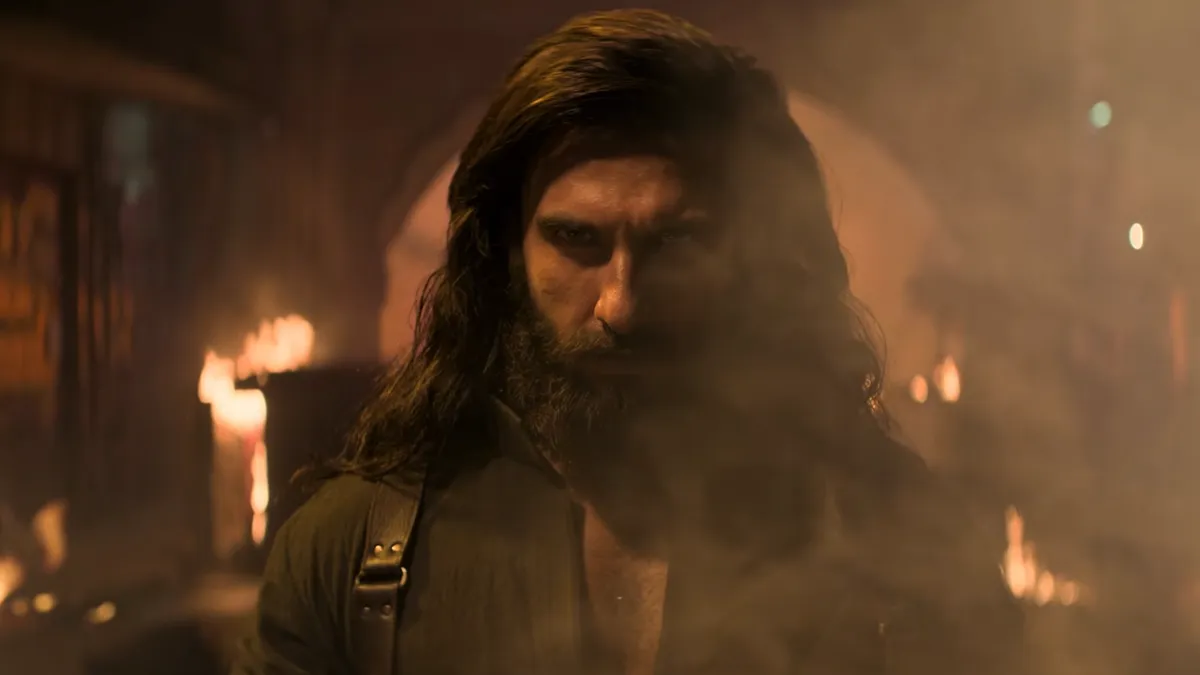
'Dhurandhar', Aditya Dhar's latest film, is a poignant representation of this evolution. The narrative draws upon significant historical events, such as the Kandahar hijacking, the attack on the Indian Parliament, and the Mumbai attacks of 26/11, which have profoundly influenced India's collective consciousness. Unlike many films that invent antagonists, 'Dhurandhar' engages with real wounds still fresh in public memory. The violence in the film, including graphic depictions of beheadings and bloodshed, is not gratuitous but serves as a form of catharsis and reckoning for characters and viewers alike.
The film has been described as a "violent, vengeful saga" that carefully navigates the fine line between patriotism and propaganda. The discomfort it generates among audiences is intentional; the film seeks not to entertain but to confront viewers with a reality steeped in pain, asking them to consider what justice means in such a context. Rather than romanticising conflict, 'Dhurandhar' aims to reveal the harsh truths of violence, portraying systemic oppression and the characters’ responses steeped in retribution.
In this cinematic ecosystem, every act of violence holds narrative weight, where sanitising such depictions would misrepresent the brutal world the film seeks to illustrate. 'Dhurandhar' meticulously assigns roles and responsibilities, delineating who suffers and why, thereby establishing violence as a language that articulates betrayal, grief, and the quest for accountability.
The film’s success lies in its ability to challenge viewers. Many sequences compel audiences to look away, but this avoidance is not a neutral stance; it denotes disengagement from the uncomfortable truths being presented. Dhar's storytelling creates a palpable tension between what audiences desire to see and what they need to confront, effectively politicising the viewing experience.
By combining cinematic grandeur with stark realism, 'Dhurandhar' argues that graphic violence is not merely sensational but a necessary vehicle for conveying truth and the ramifications of conflict. This narrative climate complicates the perception of films like 'Dhurandhar', elevating them beyond mere 'rage bait' and prompting a deeper examination of their resonance in contemporary society.
As the global audience grapples with the implications of violence in film, 'Dhurandhar' serves as a critical reflection of the socio-political landscape in India, urging viewers to engage with the underlying pain and seek understanding rather than spectacle. The film's impact may be a harbinger of changing narratives in Hindi cinema, where violence is employed purposefully rather than frivolously, raising essential questions about accountability, justice, and the collective memory of trauma.
Kerala Initiates Probe into 2006 Suicide Case Involving CEC

Extradition of Sheikh Hasina Feasible, Says Indian High Commissioner

Punjabi Makeup Artist Mad Sandhu Shot Dead in Amritsar
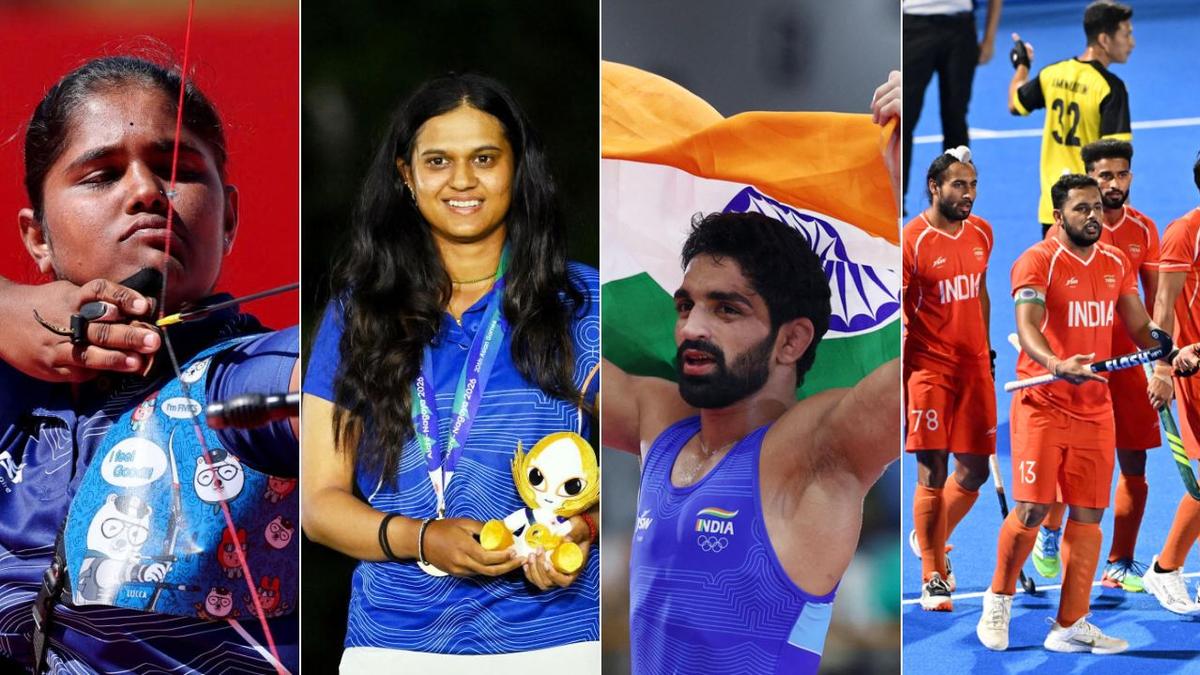
India Achieves Fourth Place at Asian Games 2026 Through Late Success