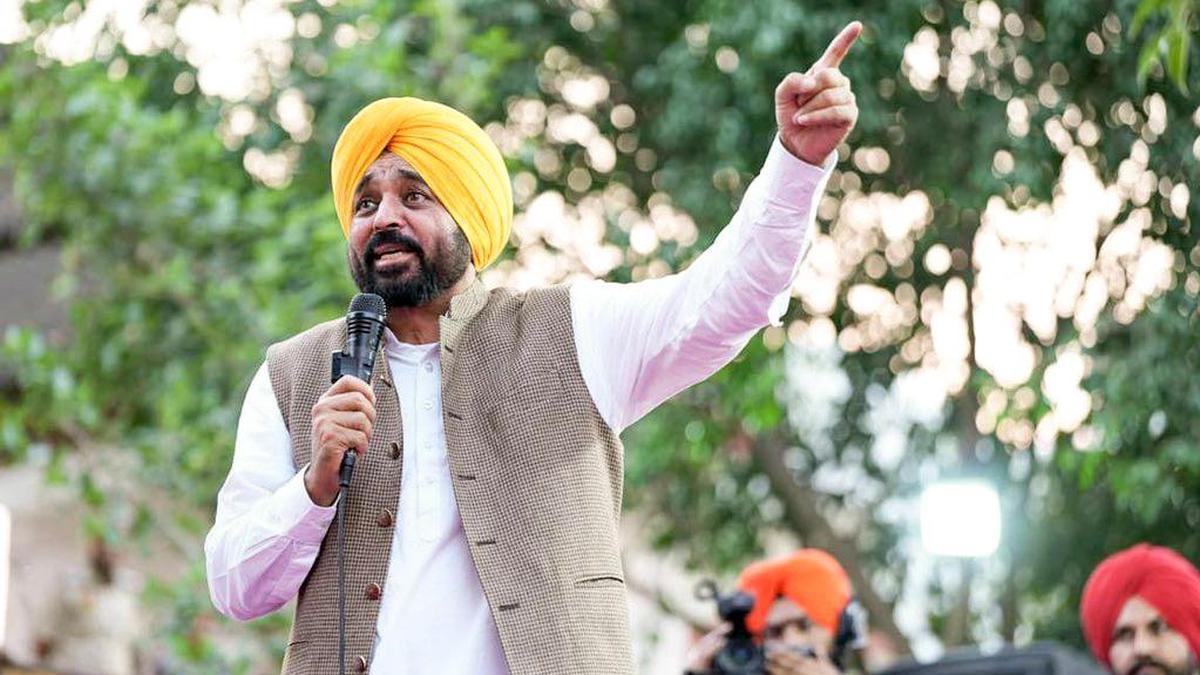
Delhi High Court Dismisses Neha Bora's Peace Bond Challenge


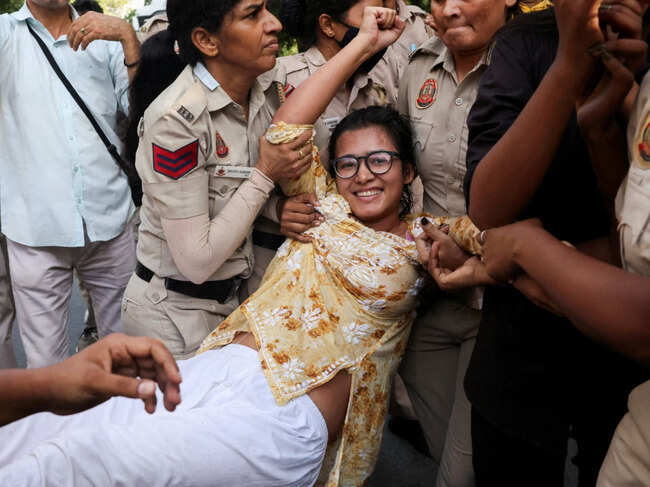
On 23 October 2026, the Delhi High Court ruled against Neha Bora, the National President of the All India Students Association (AISA), dismissing her plea that sought to challenge a notice mandating the execution of a personal bond worth ₹10,000. The bond was required to ensure peace during an ongoing inquiry following her detention during a protest on 16 October.
Justice Subramonium Prasad delivered the verdict, stating that there were 'adequate safeguards' in place to protect Bora's interests and that directions had been given to the Special Executive Magistrate to provide her with all relevant materials before any decisions regarding the inquiry were made. Bora's legal challenge concerned an October 17 notice from a Special Executive Magistrate under Sections 126 and 130 of the relevant legal framework, which allows a Magistrate to issue a peace bond under certain circumstances.
The notice was issued following a protest in which Bora participated, where she allegedly called for a peaceful gathering at Mandi House with the intent of subsequently unfurling the national flag at Central Park, Connaught Place. However, she was detained around 5:30 PM, taken to an unknown location, and later to R.K. Puram Police Station, where she spent the night before her release at 6 AM on 17 October.
Bora's legal representation, Senior Advocate Gopal Sankaranarayanan, argued that the protest was peaceful and that she had not incited violence. He highlighted that seeking a regime change within a democratic framework is acceptable and asserted that the notice for the peace bond was issued without sufficient grounds, calling it a mechanical order that lacked a thorough preliminary inquiry.
In response, Additional Solicitor General Chetan Sharma maintained that the issuance of the notice fell within the Magistrate's remit, stating that the assessment of whether a person poses a threat to peace is based on subjective satisfaction, rather than requiring established evidence.
Bora contended through her petition that the notice failed to present adequate reasoning for suggesting a potential breach of peace, a prerequisite for initiating preventive measures under the law. The ongoing legal battle exemplifies tensions surrounding freedom of expression and the right to protest, particularly within the context of political dissent in India.
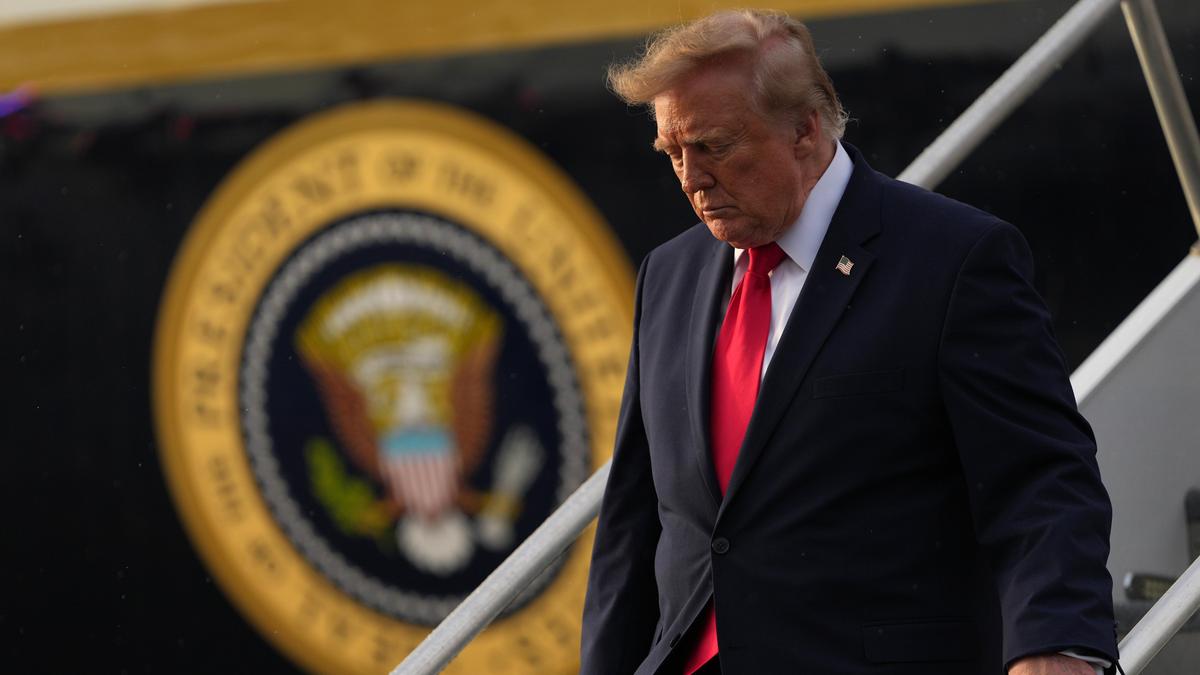
Donald Trump Hints at US Interest in Cuba After Conflict in Iran

UK Court Rules Against India in RAKIA Investment Dispute
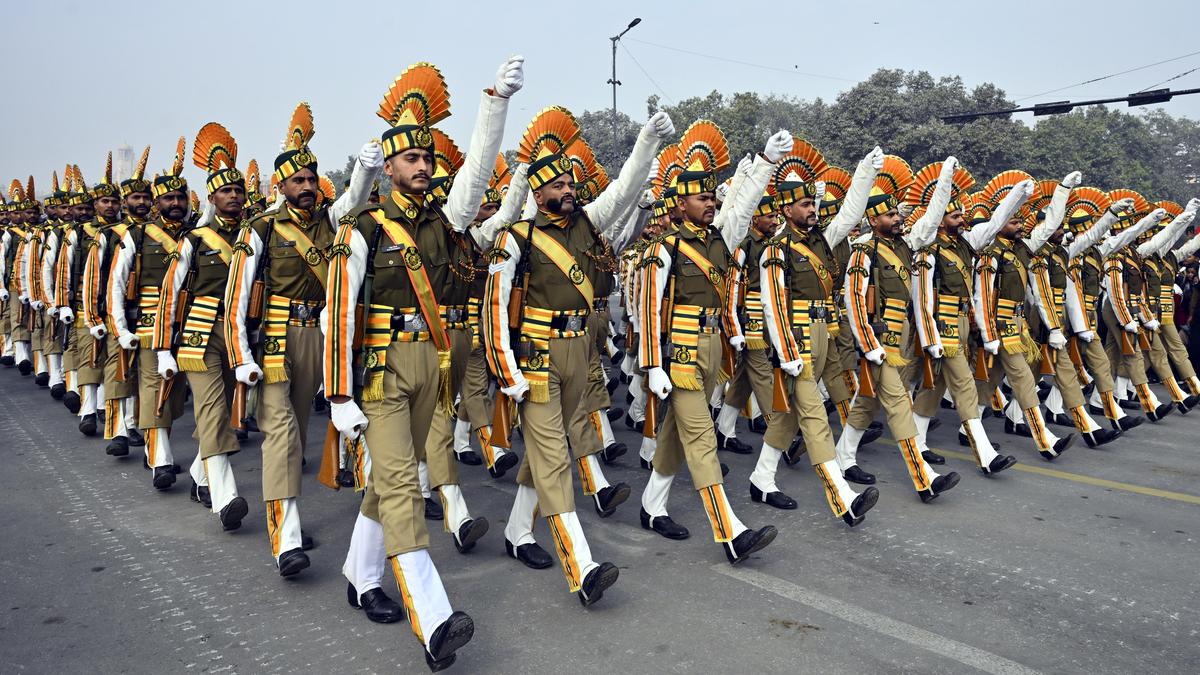
India Raises Concerns Over Chinese Border Patrolling Deviations
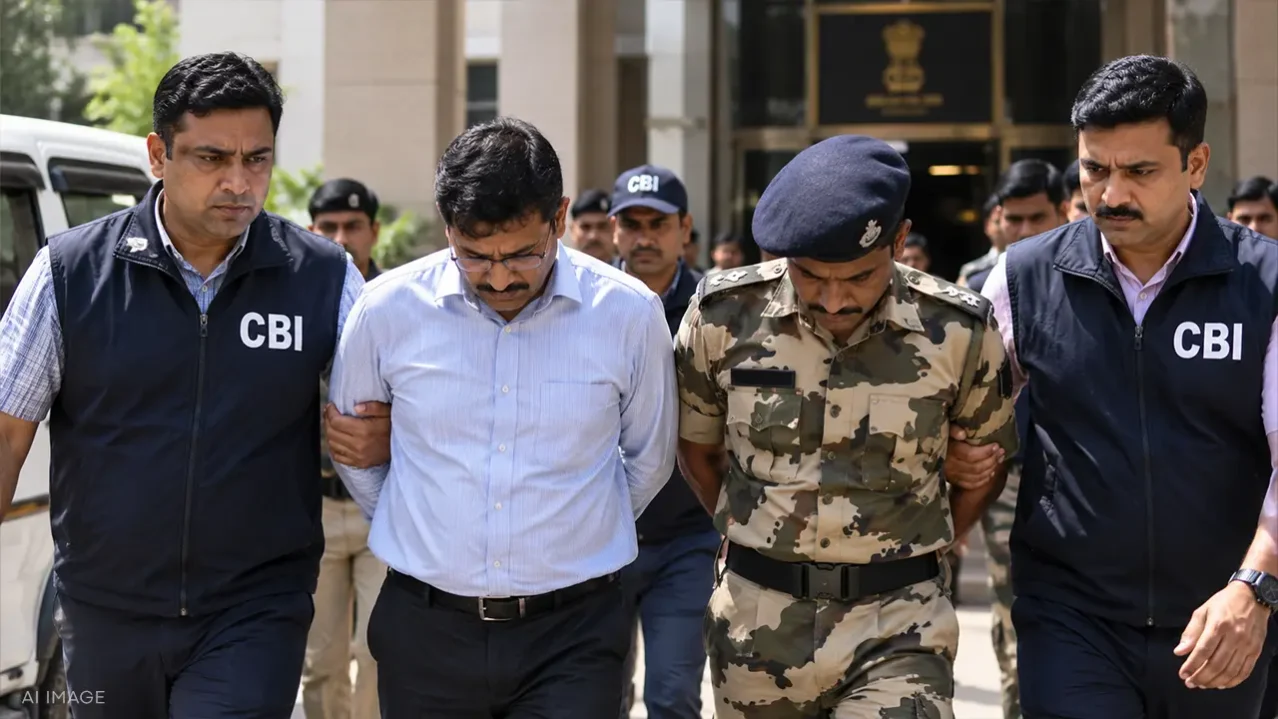
CBI detains Enforcement Directorate officials in bribery case