Critique of Urdu's Misrepresentation in Bollywood Film 'Udta Teer'


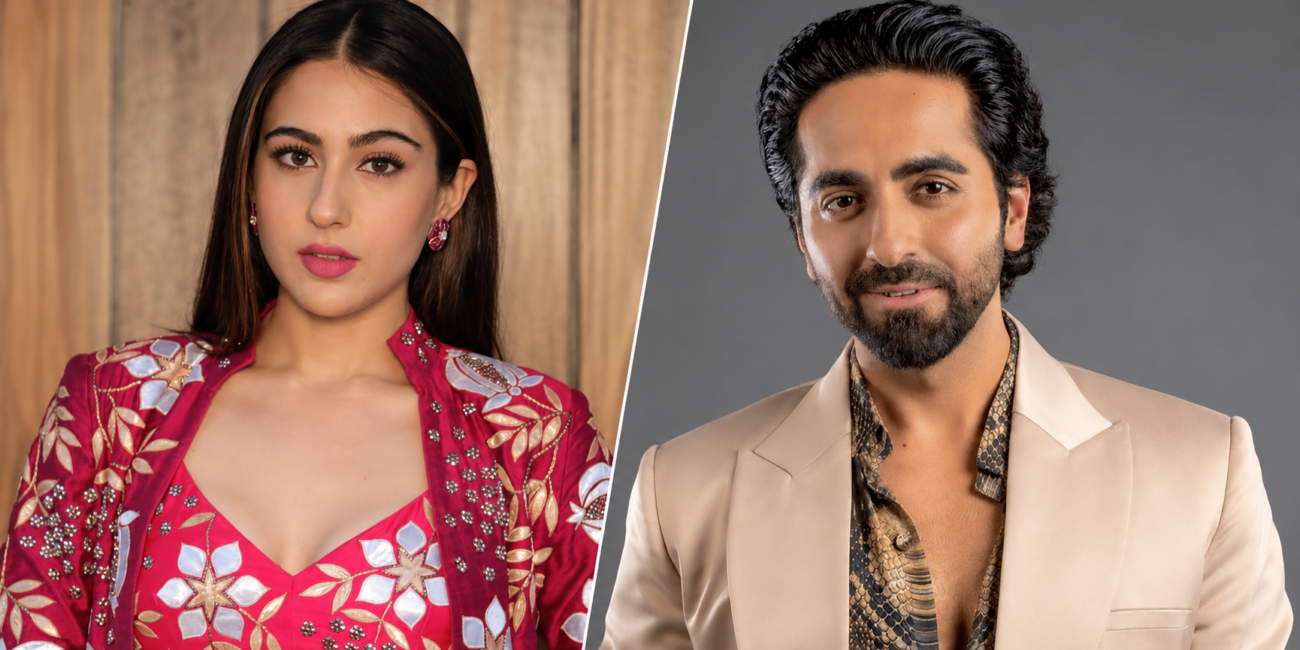
The recent film 'Udta Teer', featuring Indian actor Ayushmann Khurrana, has come under scrutiny for its portrayal of the Urdu language and its association with nationality. The film's plot follows a Pakistani spy who infiltrates the Indian Army but, after an accident, loses his memory and begins serving India faithfully. However, a specific scene has raised eyebrows for its handling of identity and language.
In a pivotal moment, a character attempts to remind Khurrana's role of his Pakistani origins by showing him an Urdu newspaper. When he reads it, the character claims that this ability proves he is not Indian, asserting, "If you are an Indian Hindu, how can you read Urdu?" This brief exchange has ignited discussions surrounding the implications of associating a language solely with its speakers' nationality.
Critics assert that the underlying suggestion—that proficiency in Urdu is indicative of a Pakistani identity—perpetuates harmful stereotypes. Renowned Urdu literature has historical roots in India, featuring authors such as Munshi Premchand and Firaq Gorakhpuri, who were significant contributors to the language's rich heritage regardless of their religious affiliations. The narrative of the scene arguably dismisses the contributions of many celebrated authors and poets who have shaped Urdu literature in the Indian subcontinent.
Notably, the criticism extends beyond this singular depiction. The film’s broader narrative seems to intertwine religious identity with nationalism. The storyline hints that the character’s forgetfulness of his Pakistani identity leads him to adopt Hindu practices, reinforcing notions that allegiance to India requires conformity to specific religious expressions. Through scenes where traditional greetings like 'Assalamualaikum' are switched for 'Jai Hind', the film insinuates that such distinctions create a divide between identity and belonging.
Jamshed Qamar Siddiqui, a journalist and storyteller, voiced his concerns regarding these pervasive misconceptions, suggesting that films should strive for accuracy and sensitivity in their portrayal of cultural elements. The misrepresentation of Urdu could contribute to an environment where the language is viewed as exclusive to a religion or nationality, creating further division. He noted, "When a film tells its audience that an Indian Hindu reading an Urdu newspaper is proof of his Pakistani identity, it normalises a dangerous misconception."
Furthermore, Siddiqui questioned how such simplistic narratives can emerge when actors like Ayushmann Khurrana, who have roots in Punjab, should be aware of the shared history of language and identity in the region. He urged filmmakers to recognise the nuanced legacy of Urdu, which belongs to numerous communities across religious lines, thus enriching India's cultural tapestry.
As this discussion unfolds, it highlights the need for a careful examination of the narratives that shape perceptions of culture and identity in popular media. While comedy often operates through exaggeration, maintaining respect for historical truths should remain a priority in cinema. The reaction from viewers and critics serves as a reminder of the responsibility that filmmakers bear in portraying sensitive cultural subjects authentically and thoughtfully.
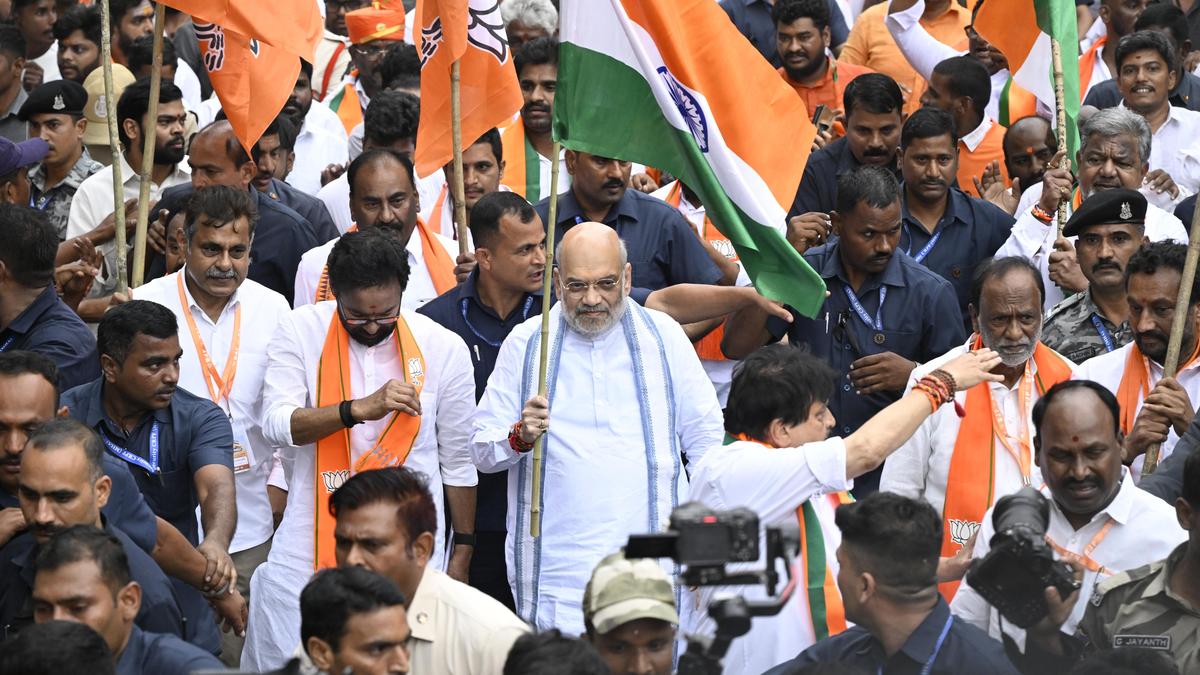
Amit Shah Responds to Rahul Gandhi's Claims on Voter Deletions
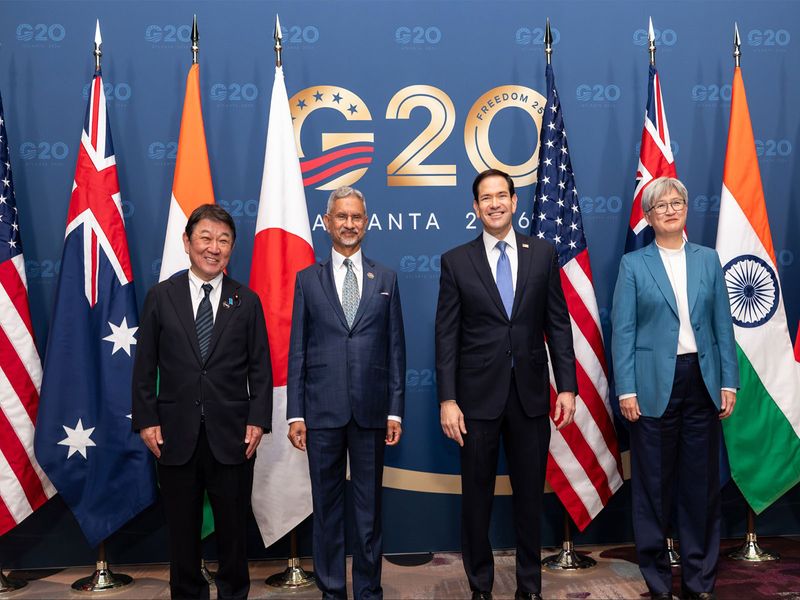
India and Australia Conclude AUSTRAHIND 2026 Military Exercise

Rising Inflation Concerns Impact Global Markets

Explosions Reported in Iran as US Military Conducts Strikes