Criticism of New Law on Rural Employment Guarantee in India


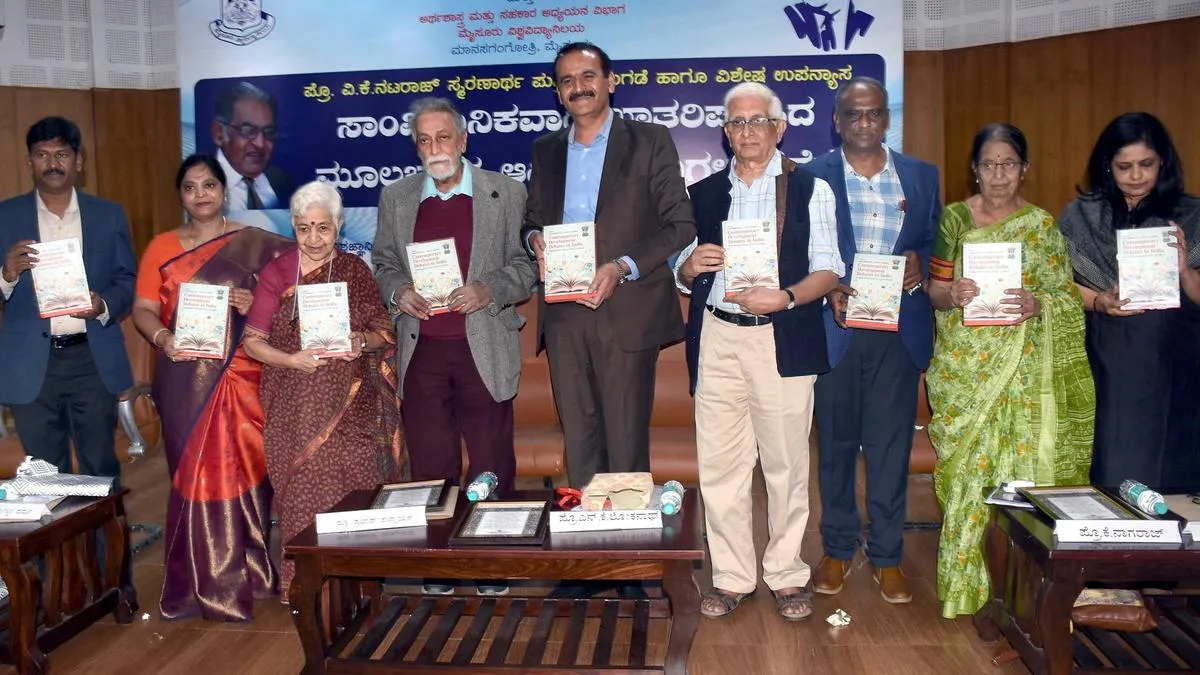
Nikhil Dey, a founding member of the Mazdoor Kisan Shakti Sangathan, has expressed serious concerns regarding a new law that he argues fundamentally undermines the concept of a rural employment guarantee scheme. In a recent interview, Dey outlined four major criticisms of the legislation's funding mechanisms and operational guidelines.
Firstly, Dey highlighted that the new law adopts a supply-driven approach rather than the demand-driven model previously employed under the Mahatma Gandhi National Rural Employment Guarantee Act (MGNREGA). He noted that under the new framework, once the allocated budget is exhausted, employment opportunities will cease, even if there is ongoing demand for work. "This is the first and most critical change that fundamentally alters the guarantee provided by MGNREGA," he stated.
Secondly, Dey raised concerns about the centralised control over funding distribution. He pointed out that the central government will have the authority to decide how much financial support each state receives. This could lead to inequitable funding, particularly for states governed by opposition parties, where the central government may allocate minimal resources due to strained relations.
Thirdly, the funding ratio between the central and state governments has shifted dramatically from a previous 90:10 split to a 60:40 ratio. Dey estimates that this change could impose an additional financial burden of approximately 30,000 crore Indian Rupees on the states, many of which may struggle to meet these costs.
Finally, Dey noted that the new legislation grants the central government the power to determine where the employment scheme operates within a state. This raises the possibility that areas in dire need of employment may be excluded, further limiting access to job opportunities for vulnerable populations.
In conclusion, Dey argued that it is misleading to claim that the new law enhances the guarantee of 100 days of employment per year for 125 days, asserting that the changes undermine the very essence of the rural employment guarantee scheme. The implications of this legislation are likely to be debated in the coming months, as stakeholders assess its impact on rural employment in India.
Concerns Rise Over Delhi Voter Registration Discrepancies
Controversy Erupts Over Rahul Gandhi's PM Modi Mimicry at Event

Father of IIT Bombay Student Calls for Action Against Discrimination

India and Japan Conduct Joint Air Exercise 'Veer Guardian-2026'