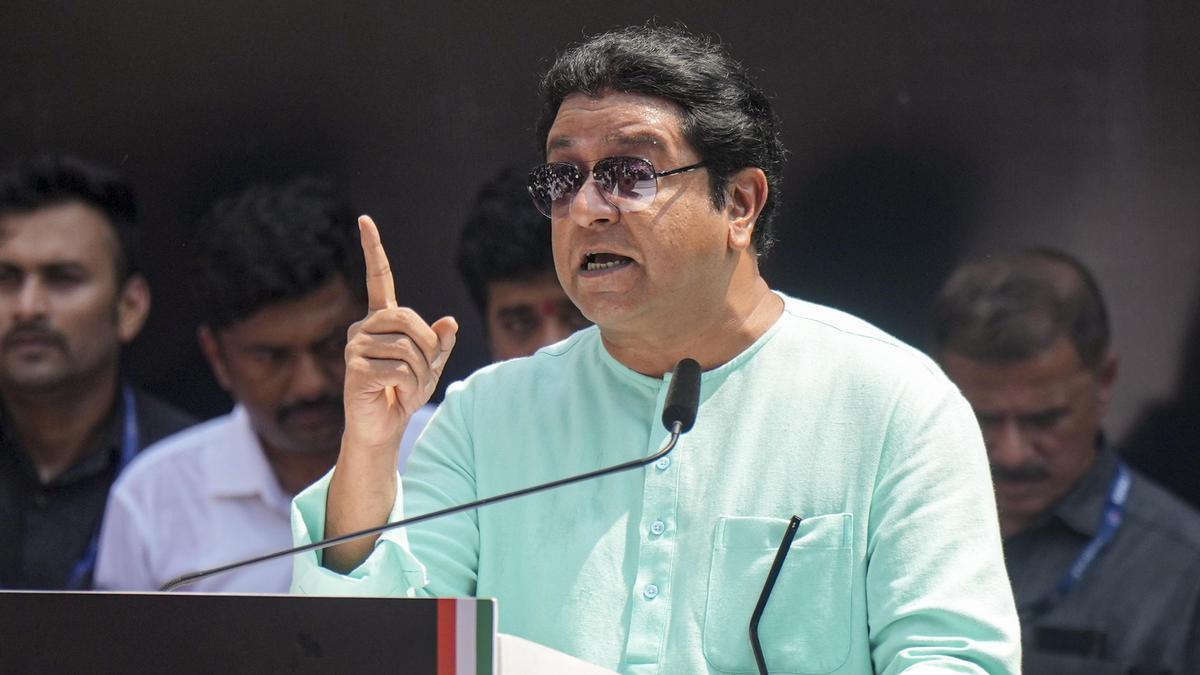
Court Intervention Raises Concerns Over Drug Pricing in India



A recent ruling by the Supreme Court of India has sparked significant discussions regarding the regulation of drug pricing in the country. The verdict has drawn attention to the challenges surrounding access to affordable medications for the general public.
The court's decision centres on the pricing of essential medicines, raising questions about the interplay between pharmaceutical companies' profit motives and public health needs. Advocates for affordable healthcare argue that high drug prices can deny many Indians access to necessary treatments, thereby undermining healthcare equity.
In response to the court's ruling, health activists have expressed concern about potential increases in drug prices, which could adversely affect millions reliant on affordable medication. They argue that any policy changes must prioritise the accessibility of essential drugs over profit considerations.
The Supreme Court's intervention is viewed by some as a double-edged sword. While it highlights the need for a more regulated approach to drug pricing, it also underscores the complexities involved in balancing the interests of pharmaceutical companies and the healthcare needs of citizens.
Pharmaceutical industry representatives worry that overly stringent regulations may discourage innovation and investment in new drug development. They advocate for a system that enables fair pricing while still fostering an environment conducive to research and development.
Public health experts recommend a collaborative approach that engages all stakeholders, including the government, industry, and civil society, to develop a balanced framework that ensures access to affordable medications without stifling innovation.
As the debate continues, the implications of the court's ruling remain to be fully realised, with many calling for urgent dialogue to address the pressing issue of drug pricing in India.
This ruling may set a precedent for future discussions related to healthcare policy and the regulation of pharmaceutical prices, potentially influencing healthcare access not just in India, but globally.
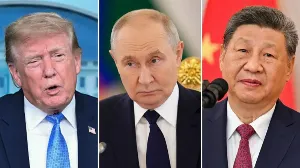
Trump, Putin, and Xi to Meet at APEC Summit in Shenzhen, China
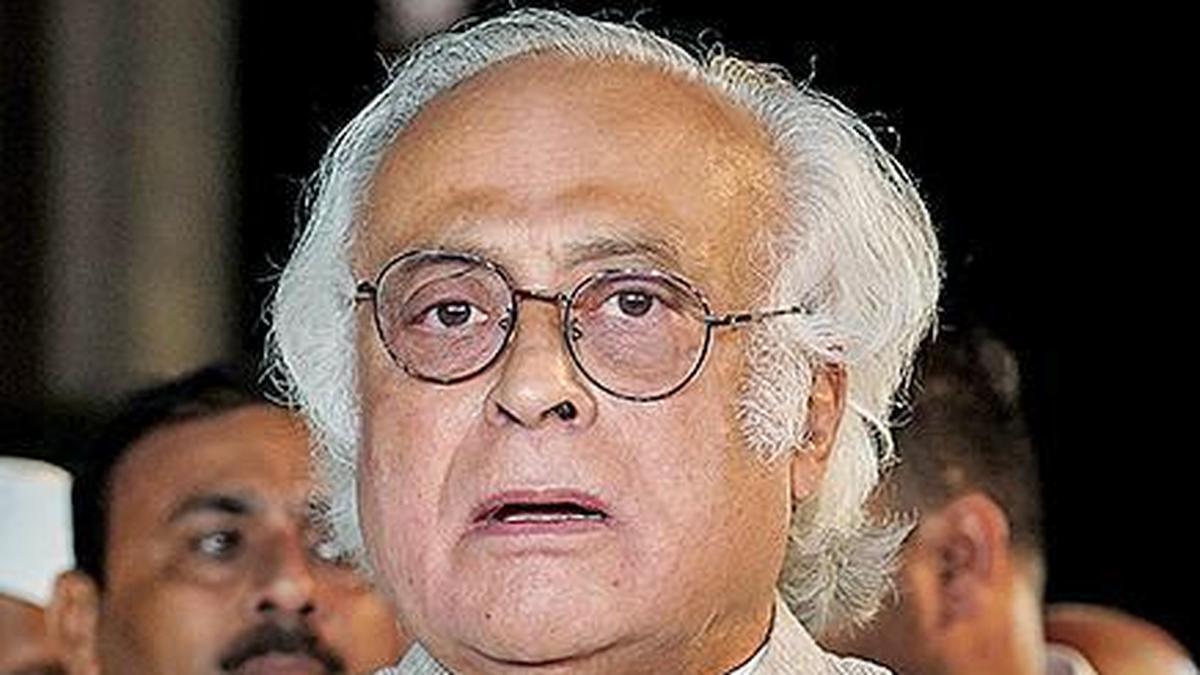
Congress Criticises Adani for Dramatic Cost Cut in Maharashtra Project

Urban Infrastructure Crucial for India's Manufacturing Growth

India Extends Ban on Zakir Naik's Islamic Research Foundation