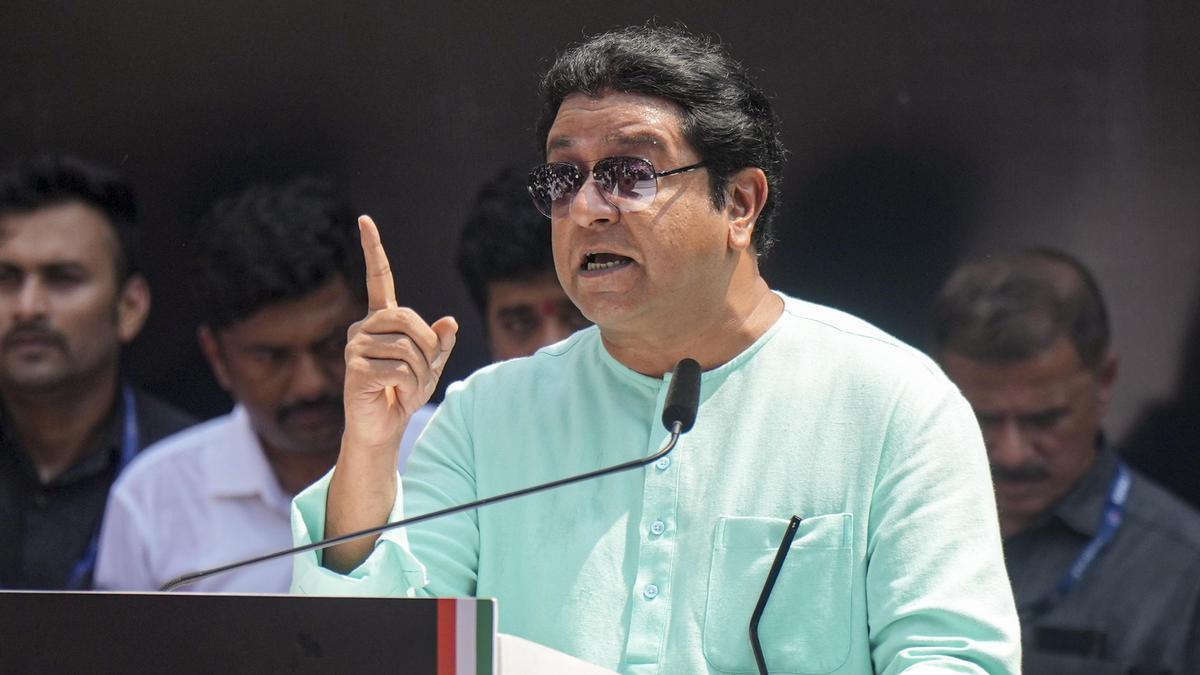
Concerns Raised Over Independent Commission Reviewing Electoral Rolls


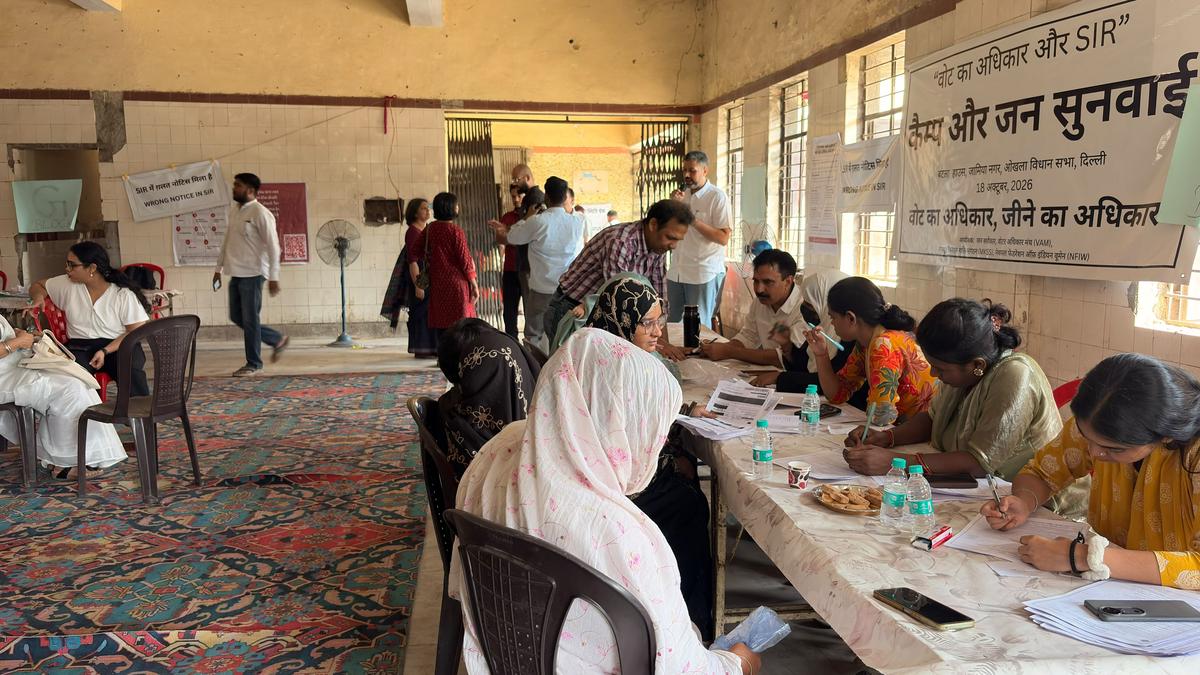
An independent commission formed to investigate the Special Intensive Revision (SIR) of electoral rolls in India has drawn scrutiny regarding its legitimacy and authority. The Lawyers’ Association for Constitution (LAFC) established the five-member panel, chaired by former Supreme Court judge Justice Madan B. Lokur. The commission aims to examine the legality, methodology, and effects of the SIR through public hearings and legal analysis.
One of the primary concerns surrounding this commission is its constitutional standing. While the Election Commission of India (ECI) is tasked with superintending elections as per Article 324 of the Constitution, the commission initiated by LAFC lacks formal statutory recognition. Critics argue that the absence of governmental or legislative endorsement raises significant questions about its authority to review a process overseen by a constitutional body.
The trajectory of the SIR itself has already been addressed in previous judicial rulings. A landmark decision by the Supreme Court in 2026 validated the ECI's power to conduct electoral roll revisions, deeming the exercises both constitutional and proportionate. However, stakeholders continue to raise valid concerns about individual injustices, procedural failures, and possible wrongful exclusions that may arise in the implementation phase.
The introduction of public hearings by the commission poses additional challenges. While these hearings may illuminate grievances that official data might miss, there remains uncertainty over their effectiveness and integrity. Questions arise regarding the selection of witnesses, the process for verifying testimonies against electoral records, and the criteria by which cases will be evaluated.
Moreover, without a systematic approach, the hearings risk devolving into a platform for mobilising political sentiments rather than providing an impartial investigation into the electoral roll adjustments. The nuances in identifying wrongful exclusions versus justified deletions raise pivotal issues, particularly as the panel aims to distinguish serious grievances from mere allegations.
The evolving situation calls for a careful examination of the balance between public representation and legal accountability. As debates continue, the ramifications of this commission's findings could have significant implications for India's electoral integrity.
Trump, Putin, and Xi to Meet at APEC Summit in Shenzhen, China
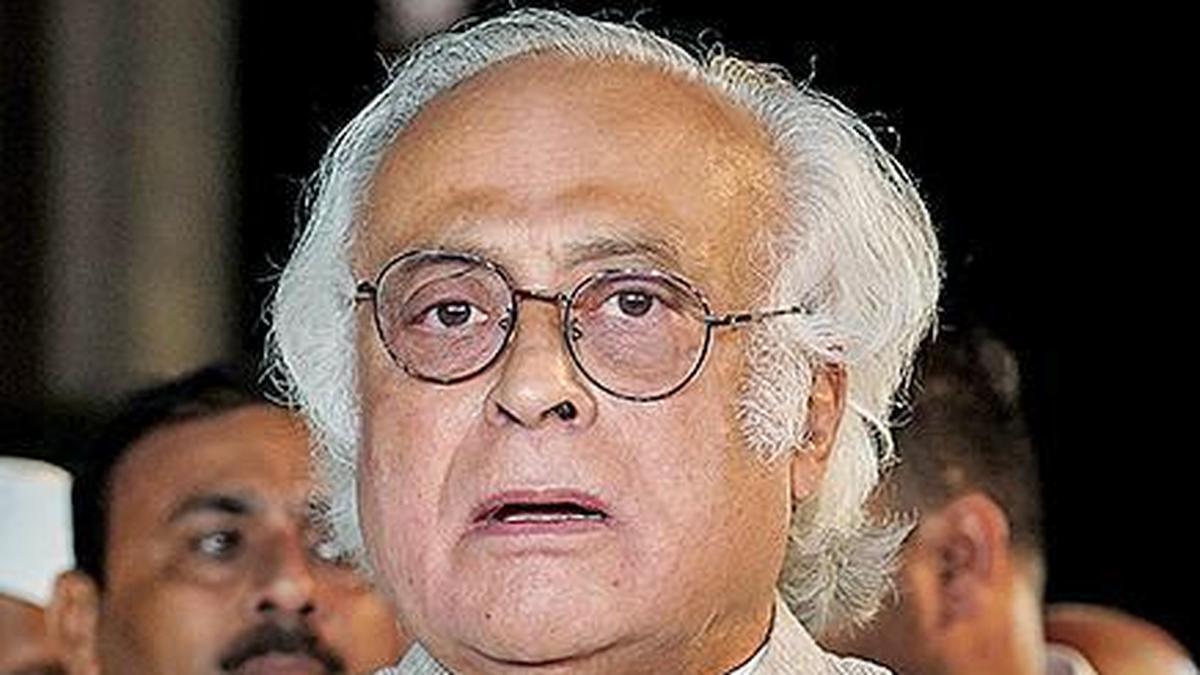
Congress Criticises Adani for Dramatic Cost Cut in Maharashtra Project

Urban Infrastructure Crucial for India's Manufacturing Growth

India Extends Ban on Zakir Naik's Islamic Research Foundation