China Blocks US Sanctions on Five Independent Refiners


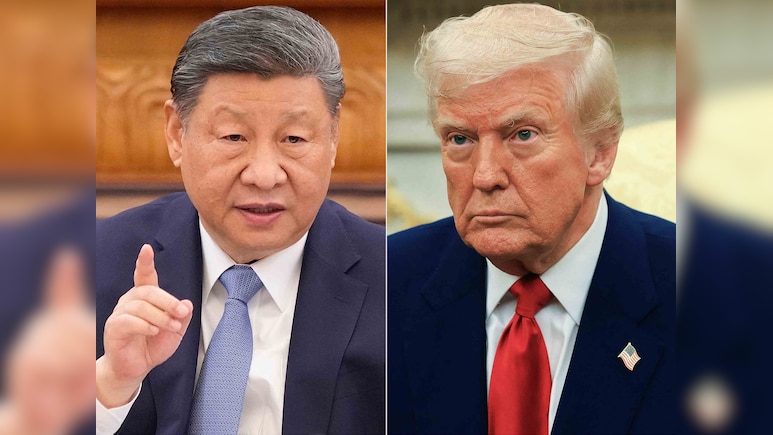
China has taken steps to block sanctions imposed by the United States on five Chinese refiners accused of importing oil from Iran. The sanctions, introduced by the U.S. Department of the Treasury late last month, prevent the refiners from accessing the U.S. financial system and target any associated business dealings.
On Saturday, China's Ministry of Commerce released a statement asserting that these sanctions are an improper restriction on international trade, violating both international law and the fundamental principles of global relations. The Ministry has put forth a prohibition order declaring that the U.S. measures should not be recognised or enforced within China.
According to the statement, this order aims to safeguard China's national sovereignty, as well as its security and development interests. The Ministry noted, "The Chinese government has consistently opposed unilateral sanctions that lack UN authorisation and have no basis in international law."
The five refiners affected include Hengli Petrochemical (Dalian) Refinery and four others, which are often referred to as "teapot" refineries. These smaller independent facilities are essential to China's oil supply strategy, allowing the country to take advantage of discounted crude oil from nations under sanctions, such as Iran, Russia, and Venezuela.
In its sanctions announcement on April 24, the U.S. Treasury Department identified Hengli Petrochemical as one of Iran's most important customers, claiming that it has generated substantial revenue for the Iranian military through crude oil purchases. Additionally, the Trump administration had previously sanctioned the other four refiners named by China last year.
China relies heavily on oil imports, sourcing more than half of its oil from the Middle East, with Iran being a critical supplier. In 2025, China was reported to have acquired over 80 percent of the oil exported by Iran, according to data from Kpler, a commodities analytics firm.
"Teapot" refineries are smaller than those owned by major state-owned oil corporations, such as Sinopec, and collectively represent about a quarter of China's refining capacity. They often operate on narrow profit margins and have faced challenges due to low domestic demand. The U.S. sanctions have introduced further complications for these refiners, particularly affecting their ability to sell refined products while complying with international origin-marking regulations.

Meta to Report Child Sexual Abuse Material to Indian Authorities

India Clarifies Bangladesh PM's BRICS Invitation Amid Confusion

Odisha Government Denies Premature Release of Dara Singh

BJP Selects Chandranath Rath's Mother for Nandigram Candidacy