Challenges in Regulating Cancer Drug Prices Highlighted



In recent discussions surrounding the accessibility of cancer medications, experts have highlighted that setting price limits on these drugs addresses only a fraction of the broader issue. While capping prices can make treatments more affordable, it does not resolve the complexities surrounding availability, research funding, and the healthcare system's infrastructure. The high costs of cancer drugs have been a significant concern, affecting patients' abilities to access necessary treatments. Experts assert that a multifaceted approach is essential. They suggest that improving healthcare infrastructure, increasing funding for research, and ensuring equitable distribution of medications are equally crucial in tackling the cancer crisis. Many patients report facing delays or restrictions in accessing life-saving treatments due to high expenses, even when prices are capped. This raises the question of whether successful regulation can be achieved without addressing underlying systemic problems. The importance of sustained dialogue among healthcare providers, regulatory bodies, and pharmaceutical companies is stressed to forge effective solutions. 'We need to ensure that any reforms in pricing do not compromise innovation in drug development,' said an industry expert, referring to the necessity of balancing affordability with incentive structures for pharmaceutical companies. The ongoing debate highlights the critical need for a comprehensive framework to address both the pricing and accessibility of cancer drugs globally, ensuring that patients can receive the care they need without obstacles.
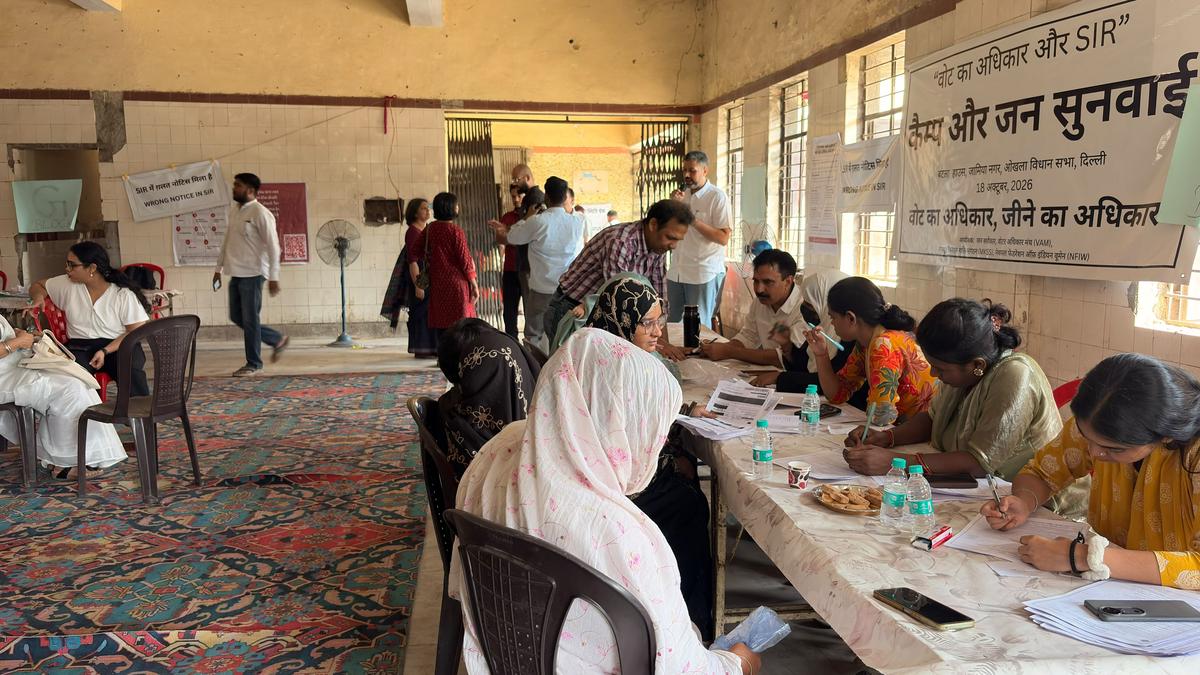
Concerns Raised Over Independent Commission Reviewing Electoral Rolls

Concerns Raised Over Safety of Indians After Foiled Temple Attack

Indian National Returned to Jail in Oregon Following Fatal Crash

California Man Charged with Murder of Wife After Disappearance