Census 2027 Launches Self-Enumeration in Jammu and Kashmir


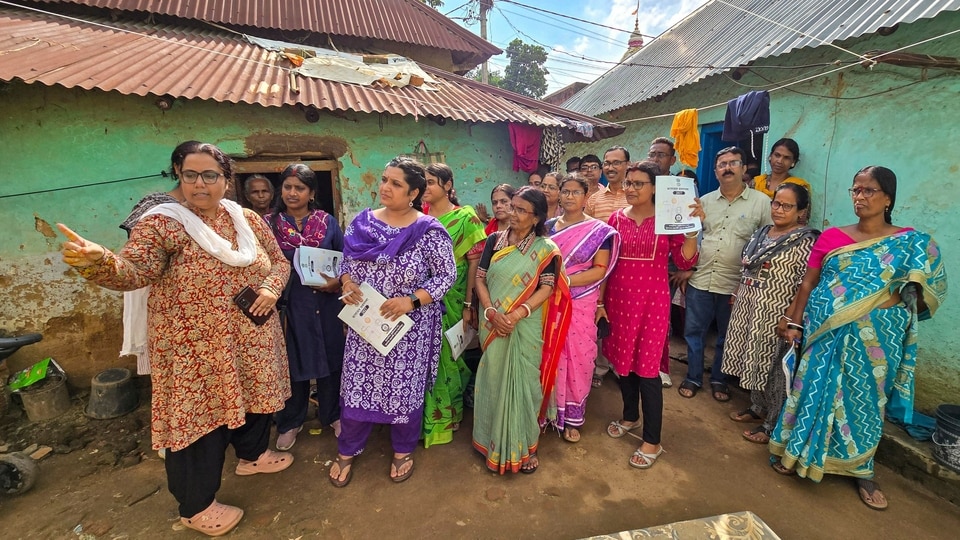
The Census 2027 initiative commenced today with self-enumeration for residents in Jammu and Kashmir, Ladakh, Himachal Pradesh, and Uttarakhand. This phase, which runs from August 17 to August 31, allows individuals to fill out their information online, before census enumerators conduct a door-to-door count from September 1 to September 30. A total of 40 questions have been introduced for the first time since India gained independence, including inquiries about caste, parental information, and identity documentation.
Amit Sharma, the chief principal census officer for Jammu and Kashmir and Ladakh, indicated that the online enumeration is designed to facilitate data collection in challenging terrains. The exercise is expected to encompass approximately 274,000 individuals in Ladakh and around 8.81 million in Jammu and Kashmir across 16 districts, including Doda, Poonch, and Kupwara.
The regions face significant logistical challenges, particularly in remote villages with limited access, such as Zanskar and Hanle. Despite these obstacles, Sharma assured that officials were prepared to reach even the most isolated communities. "Even if there is one family in a remote village atop a difficult terrain, our officials will go and record their data," he stated.
The census also aims to record the details of prominent figures on its first day, including Lieutenant Governor VK Saxena and MP Hanifa Jan. Mohhamad Jaffer Akhoon, chairman of the Kargil Hill Development Council, expressed optimism about the census, stating, "The census gives us requisite parameters of development and socio-economic growth."
In Himachal Pradesh, the enumeration will extend to three districts, including Komik, known as one of the world's highest motorable villages. With a population of just 130 residents in 2011, the village is home to a historic Buddhist monastery. Deep Shikha Sharma, director of census operations in Himachal Pradesh, noted that the harsh winter conditions necessitate early enumeration to avoid access issues during the regular census period.
Specific areas in Himachal Pradesh have been identified for advance enumeration due to difficult weather conditions, aiming to complete data collection before heavy snowfall. Approximately 20,390 enumerators and supervisors will be deployed across the state to facilitate this operation. The census will be primarily conducted via a mobile application, ensuring the process is efficient even in connectivity-challenged areas.
Uttarakhand will similarly respond to its geographical challenges, with about 52,000 people set to be enumerated across 131 villages and three towns, including the popular pilgrimage sites of Gangotri, Badrinath, and Kedarnath. Eva Srivastava, director of census operations for Uttarakhand, confirmed that preparations are underway, with training sessions completed for key personnel.
The 2027 census holds particular significance as it marks the 16th nationwide enumeration and the first to introduce caste-related data collection, reflecting demographic changes since the previous census in 2011. The Union Government has emphasised that this new methodology aims to generate more representative and comprehensive socio-economic data for India's development planning.
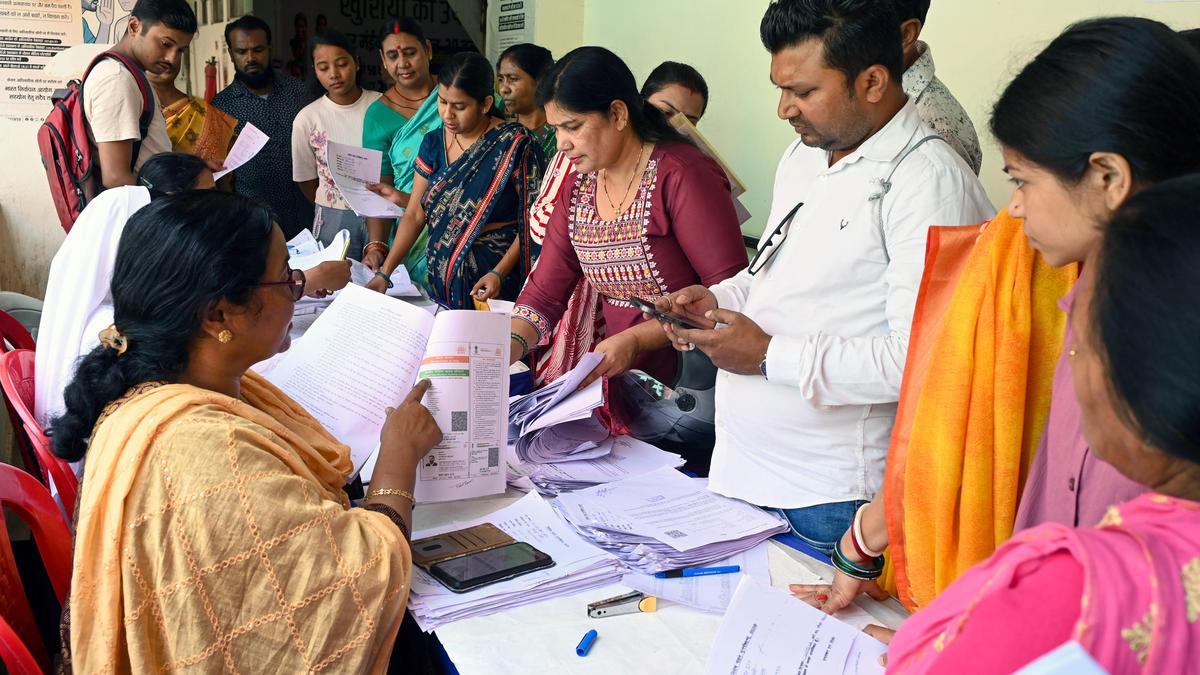
Election Commission Extends Deadlines for Andhra Pradesh and Meghalaya
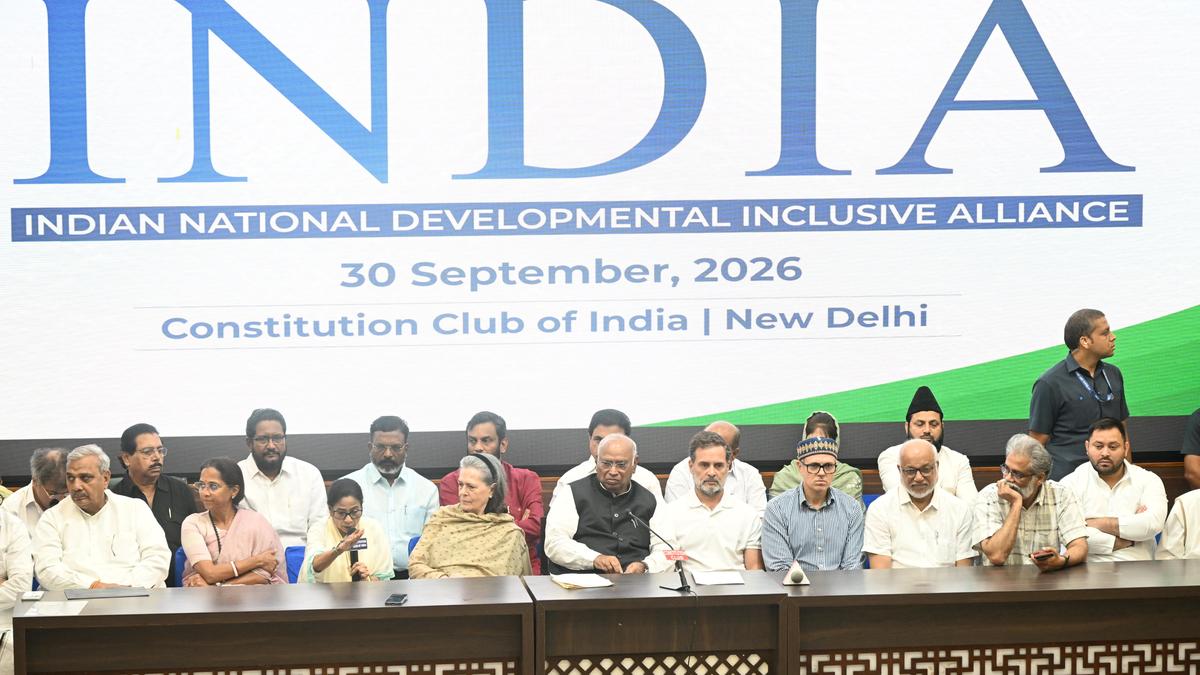
INDIA Bloc Announces Nationwide Campaign Against Chief Election Commissioner

Gujarat Authorities Seize ₹3,000 Crore Worth of Drugs at Sea

Modi and Trump Discuss Bilateral Cooperation in Key Sectors