Brazil's Presidential Election Heads to Run-off: Key Insights


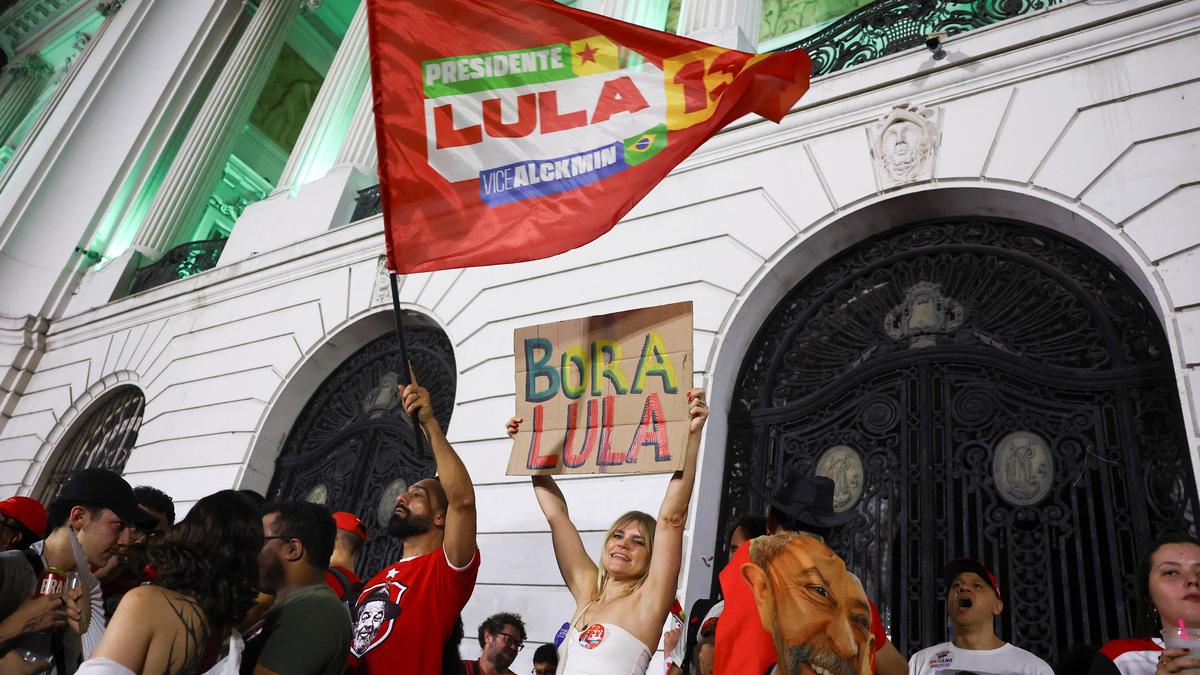
Brazil's presidential race is set for a decisive second round between leftist President Luiz Inacio Lula da Silva and right-wing Senator Flavio Bolsonaro. The electoral court confirmed on Sunday that neither candidate secured the majority required to win outright. With Bolsonaro leading at approximately 56 million votes to Lula's nearly 53 million, the final outcome remains uncertain.
Lula, aged 80, is pursuing his fourth non-consecutive term, while 45-year-old Bolsonaro is the son of former President Jair Bolsonaro. The forthcoming election poses significant implications for Brazil and the broader region, especially amid rising concerns over crime, living costs, and a complicated relationship with the United States.
Poll results prior to the election had generally projected a Lula victory in the first round. However, with nearly 99 percent of votes reported, Bolsonaro garnered around 47 percent of valid votes compared to Lula's 44.9 percent. The two candidates will compete once more for the presidency on October 25, four years after Lula narrowly defeated Bolsonaro's father.
The close nature of the race complicates matters, particularly as voters who supported one of the other ten candidates in the first round could influence the outcome. Ronaldo Caiado and Renan Santos, two notable candidates, have indicated they will not endorse either contender.
Evidence suggests that some voters may have opted for Bolsonaro as a 'protest vote' against Lula, further complicating the dynamics of the upcoming run-off. Political analyst Rafael Favetti highlighted that this phenomenon might limit Bolsonaro's potential growth in the next round, as support appears to have peaked in the first round.
Reacting to the results, Lula expressed surprise but remains resolute about his strategy for the run-off. "I admit, I was convinced I would win in the first round. The game is about to start. We are in extra time. In extra time, we will win over the Brazilian people," Lula stated.
Bolsonaro’s unexpected performance indicates a resurgence for Brazil's right-wing politics. His Liberal Party is projected to become the largest faction in the Chamber of Deputies, alongside significant gains in the Senate. This includes victories for members of the Bolsonaro family, signifying the enduring power of the 'bolsonarista' movement, even in the absence of the former president from the ballot.
Andre Pagliarini, an academic observer, remarked on the implications of congressional results, stating that Brazil's right could be increasingly influential, regardless of the presidential outcome. If Lula secures another term, he may face challenges in advancing his agenda, while a Bolsonaro victory could empower a right-wing approach, including potential moves towards securing clemency for his father.
The stakes for Brazil are notably high, given the shifting political landscape in Latin America, making this electoral battle one of the most closely watched globally.

Noida Woman Allegedly Caught Shoplifting at DLF Mall of India
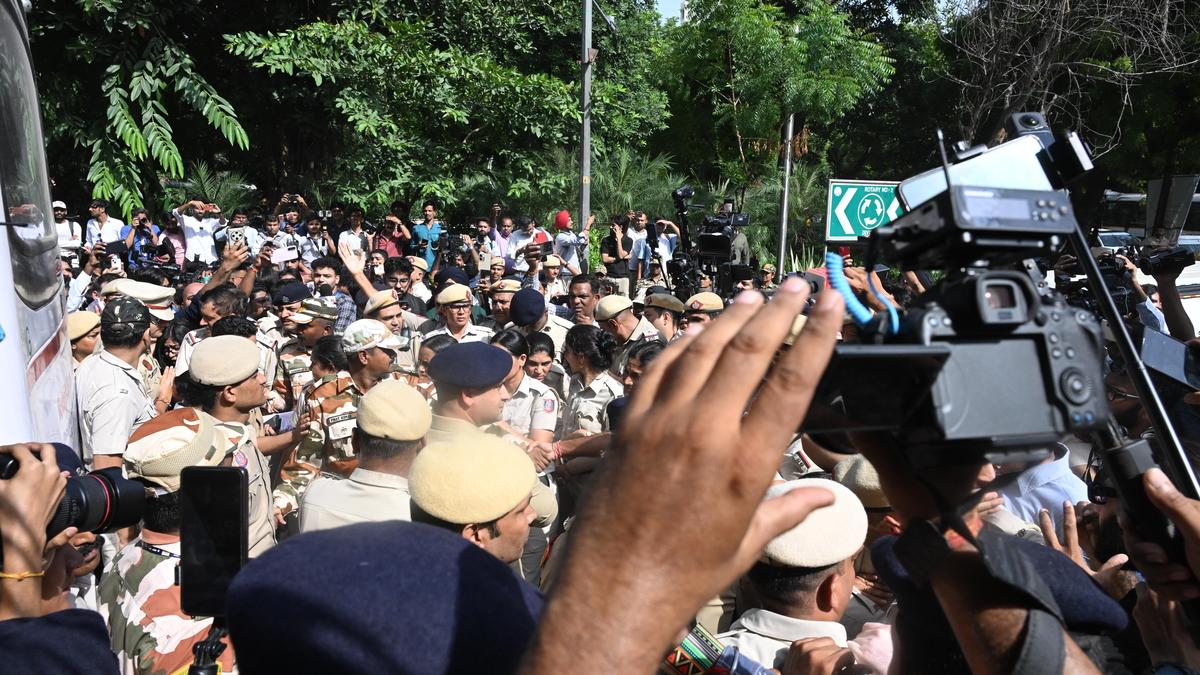
Delhi Police Advises Journalists on Coverage of Protest Events
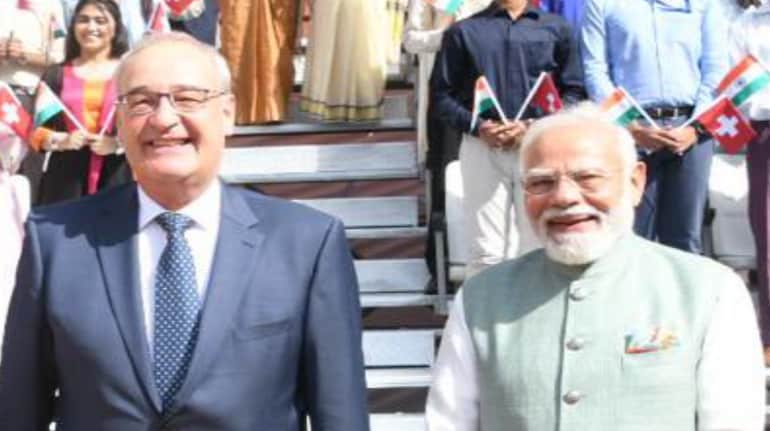
India and Switzerland Strengthen Trade Ties with Five New Agreements
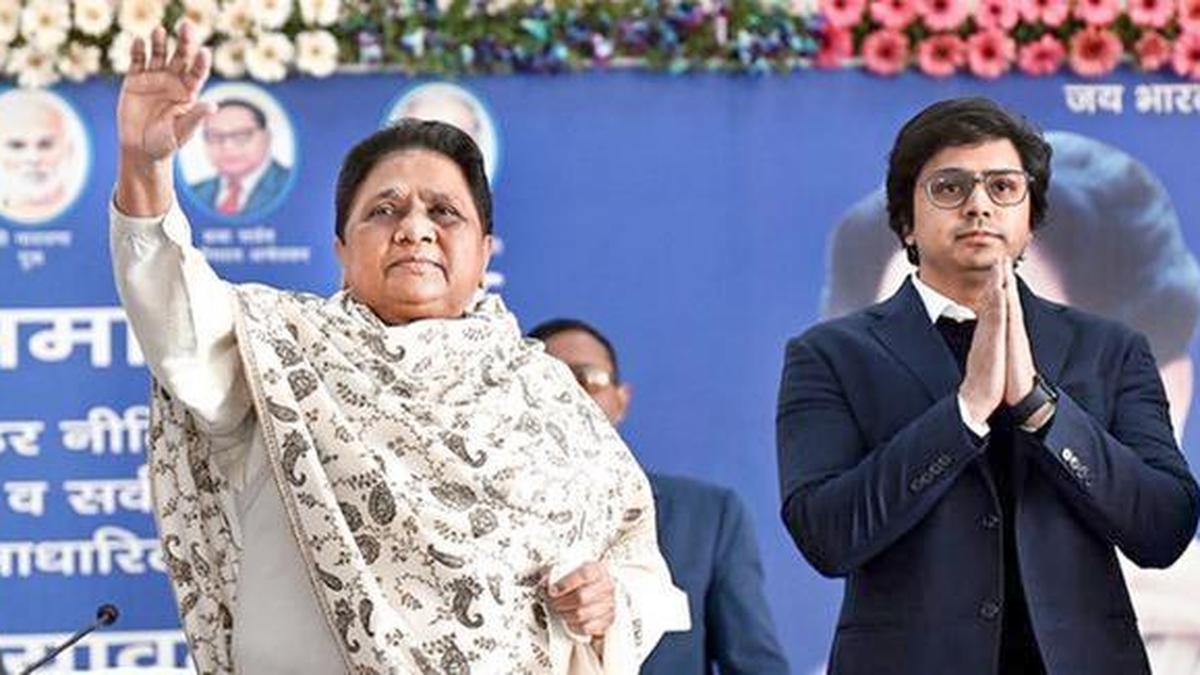
Akash Anand Reinstated as National Convener of BSP