Brazil's Political Landscape Shifts as Flavio Bolsonaro Surprises Analysts


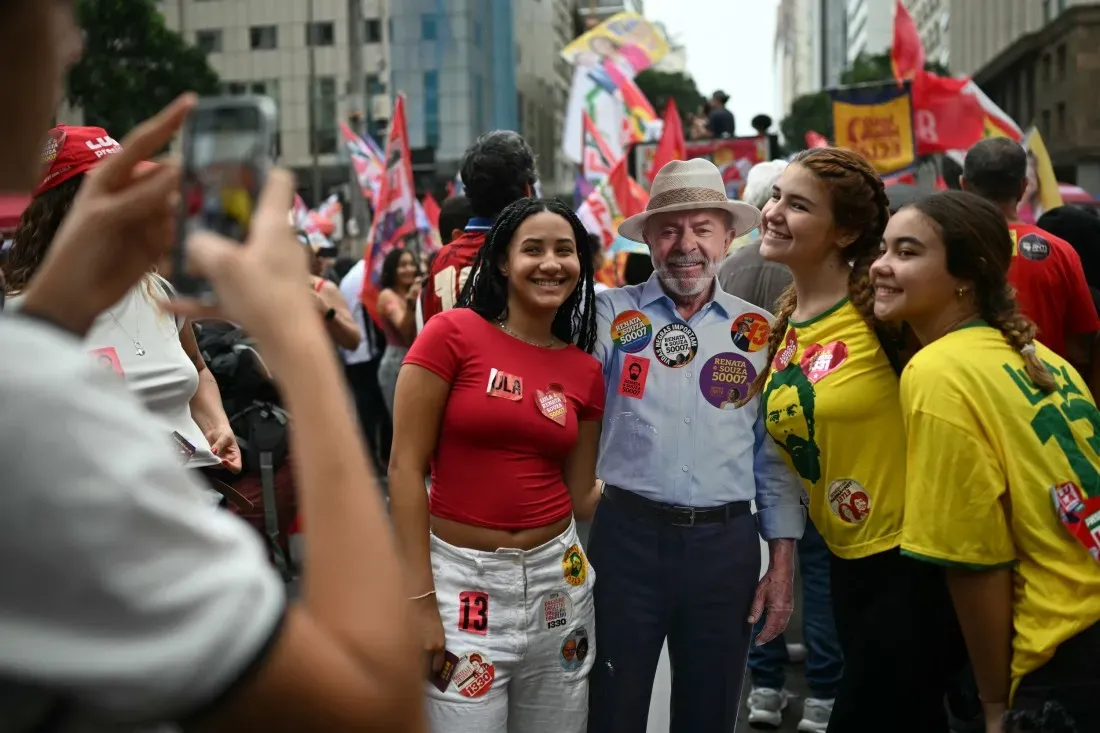
As Brazil prepares for a presidential runoff, recent elections have revealed an unexpected shift in voter sentiment, particularly favouring Senator Flavio Bolsonaro over incumbent President Luiz Inacio Lula da Silva. Bolsonaro's performance in the initial round, where he secured around 47 percent of the vote, has left political analysts examining the factors that contributed to this surprise outcome.
Polls ahead of the election had predicted a stronger showing for Lula, placing him about three percentage points ahead of his rival. However, with only weeks until the runoff, Lula finds himself in a more precarious position than anticipated. Experts suggest that a late swing among voters who initially favoured smaller right-wing candidates may have elevated Bolsonaro's chances.
Carlos Pereira, a political scientist at the Getulio Vargas Foundation, elaborated on this shift, stating that many voters had made a strategic decision. Instead of waiting for the second round to support Bolsonaro, they opted to consolidate their votes early. “Usually, voters, they vote sincerely in the first round, and they vote strategically in the second round,” Pereira noted. This shift allowed voters to feel that they were directly influencing the outcome sooner than expected.
Another critical factor was the Banco Master scandal, an alleged case of banking fraud that has affected both campaigns in the final stages of the election. Pereira indicated that the scandal may have served as a catalyst for some voters who viewed it as a direct connection between Lula and the controversy. The scandal has been linked to a Supreme Court Justice, Alexandre de Moraes, further complicating perceptions of the political landscape.
An analysis by Andre Pagliarini, a professor of history and international studies at Louisiana State University, pointed out that the pervasive nature of the scandal negatively impacted Lula’s standing. He commented on how political discontent has become a significant aspect of Bolsonaro's campaign. “The irony … is that Flavio himself was directly implicated in the Banco Master scandal in a way that Lula is not,” Pagliarini said in an email.
Despite these setbacks, Lula has highlighted various positive economic indicators, such as declining unemployment rates and easing inflation. However, many Brazilians feel financially strained due to rising food prices and debt, as indicated by a September poll by Quaest. Nearly half of respondents believed the economic situation had worsened over the year.
Looking ahead to the runoff, Lula has three weeks to close a deficit of approximately 2.2 million votes. There is a significant pool of potential voters up for grabs, with about nine million having supported other candidates in the first round and over 33 million abstaining from voting altogether. “It’s possible, but the arithmetic is tough,” Pagliarini remarked. To improve his chances, Lula will need to attract voters from minor candidates and those who did not participate in the election, particularly in the northeast of Brazil, his strongest region. His campaign has commenced a revamp of its communications strategy, anticipating the pivotal debates ahead.
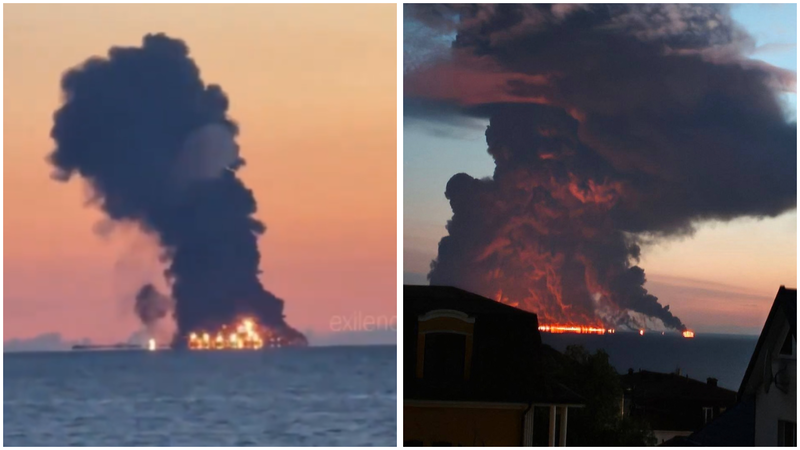
Ukrainian Drone Strike Engulfs Oil Tanker Off Russian Coast
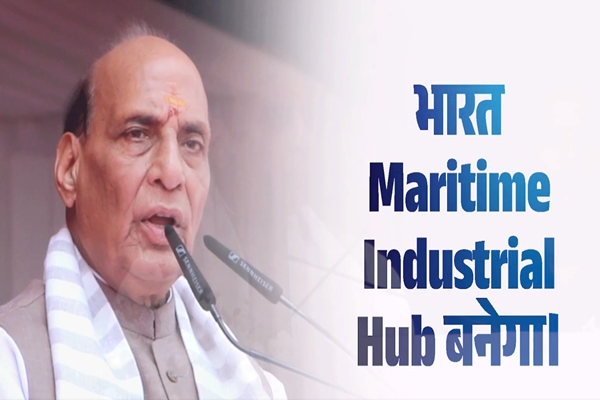
Indian Defence Minister Rajnath Singh Launches Fleet Support Ship
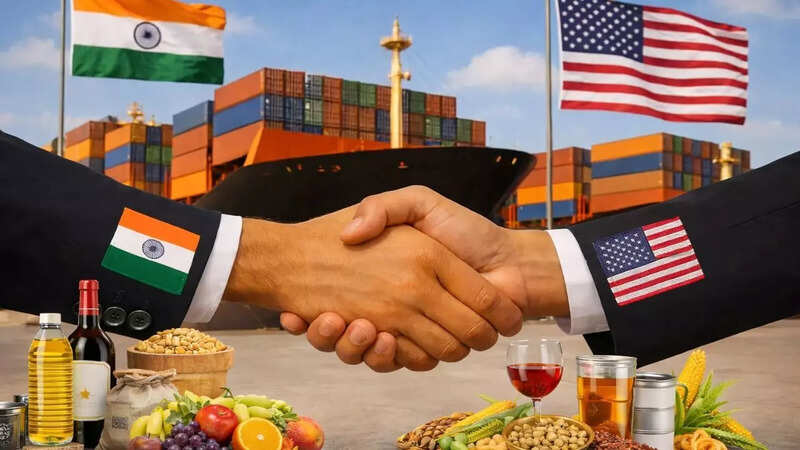
India-US Trade Negotiations Stalled, Says Finance Minister
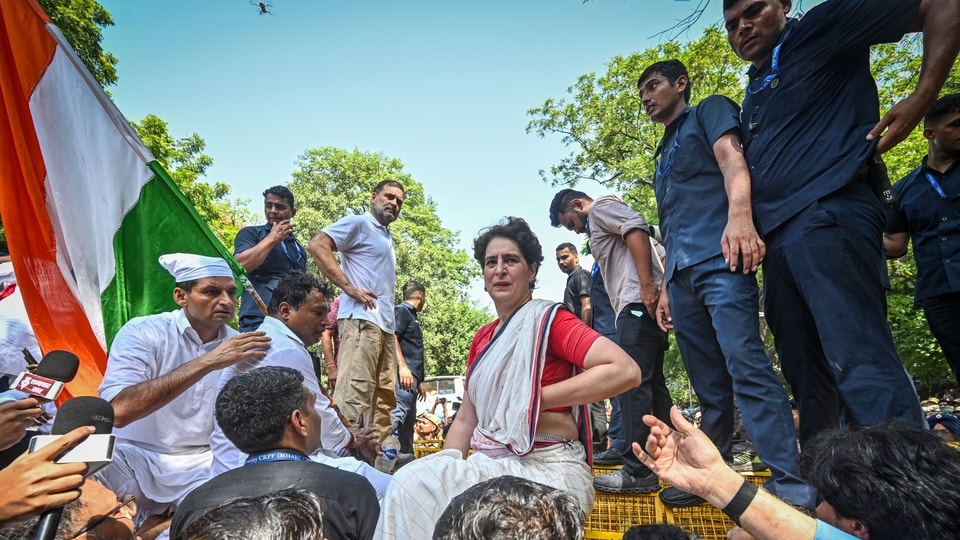
Political Tensions Rise as INDIA Bloc Protests Election Chief