Benin Government Thwarts Coup Attempt Against President Talon


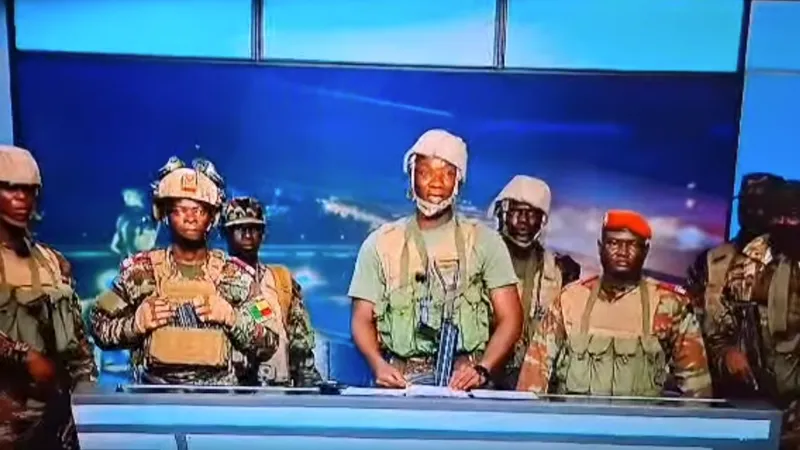
The government of Benin has announced that it successfully thwarted an attempted coup by a faction within the armed forces of the West African nation. In a televised address, Interior Minister Alassane Seidou stated, "The Beninese armed forces and their leadership, true to their oath, remained committed to the republic."
The unrest began on Sunday when a group of soldiers claimed they had ousted President Patrice Talon. Eyewitnesses reported hearing gunfire, and several journalists from the state broadcaster were reportedly taken hostage. A presidential adviser confirmed to the BBC that President Talon was in a secure location during the incident.
French diplomats later denied initial reports suggesting that the president had sought refuge in the French embassy in Cotonou, which is the largest city and the seat of government in Benin.
The attempted coup comes amid a concerning trend of military takeovers in West Africa, raising alarms about the stability and security of the region. Benin, a former French colony, has generally been recognised as one of Africa's more stable democracies. However, President Talon has faced criticism for suppressing dissent against his administration.
Benin is one of the largest cotton producers in Africa, yet it remains one of the world's poorest countries. In his address, Minister Seidou remarked that a small faction of soldiers had attempted to destabilise the state and its institutions, but loyal forces successfully retained control.
Government spokesperson Wilfried Leandre Houngbedji revealed that fourteen individuals have been arrested in relation to the coup attempt, with reports indicating that twelve of them had stormed the offices of the national television station, including a dismissed soldier.
In Cotonou, military helicopters have been observed flying overhead, and a heavy military presence has been deployed across various streets, with some roads blocked off. The French and Russian embassies have advised their citizens to stay indoors, while the US embassy has recommended avoiding Cotonou altogether, particularly near the presidential compound.
The soldiers involved in the coup, reportedly led by Lieutenant Colonel Pascal Tigri, expressed discontent with President Talon's governance, specifically citing the deteriorating security situation in northern Benin. This area has seen recent losses for the army due to attacks from jihadist militants linked to organisations such as Islamic State and al-Qaeda.
The soldiers’ statement highlighted their grievances regarding the neglect of fallen soldiers and their families, as well as criticism of cuts to healthcare services, including the cancellation of state-funded kidney dialysis, tax increases, and restrictions on political activities.
President Talon, aged 67, is viewed as a close ally of Western nations and is set to step down next year following his second term in office, with elections scheduled for April. Known as the “king of cotton,” he first assumed office in 2016 and has vowed not to seek a third term despite Benin's two-term limit for presidents. He has endorsed Finance Minister Romuald Wadagni as his potential successor.
Supporters credit Talon with fostering economic growth, yet his administration has been accused of stifling dissent. Recently, the electoral commission barred a prominent opposition candidate from participating in the elections, claiming he lacked sufficient sponsorship. Last month, parliamentary amendments were passed, including the establishment of a Senate and an extension of elected officials' terms from five to seven years, though the presidential two-term limit remains unchanged.
The coup attempt in Benin follows the recent ousting of Guinea-Bissau's President Umaro Sissoco Embaló, leading to speculation about the resurgence of military coups in the region, which has seen similar events in Burkina Faso, Guinea, Mali, and Niger in recent years. The rise of such incidents has raised concerns about regional stability.
Russia has bolstered its relationships with various Sahel nations in recent years, and countries like Burkina Faso, Mali, and Niger have withdrawn from the Economic Community of West African States (ECOWAS) to form their own coalition known as the Alliance of Sahel States.
Social media accounts with pro-Russian sentiments have celebrated the attempted coup in Benin, as noted by BBC Monitoring.
Both ECOWAS and the African Union (AU) have condemned the coup attempt. AU Commission Chair Mahmoud Ali Yousouf reaffirmed the organisation's commitment to a strict stance against unconstitutional changes of government.
Benin's eastern neighbour, Nigeria, has described the coup attempt as a direct threat to democracy. The Nigerian foreign ministry praised the bravery of Benin's security forces in upholding constitutional order and ensuring the president's safety.
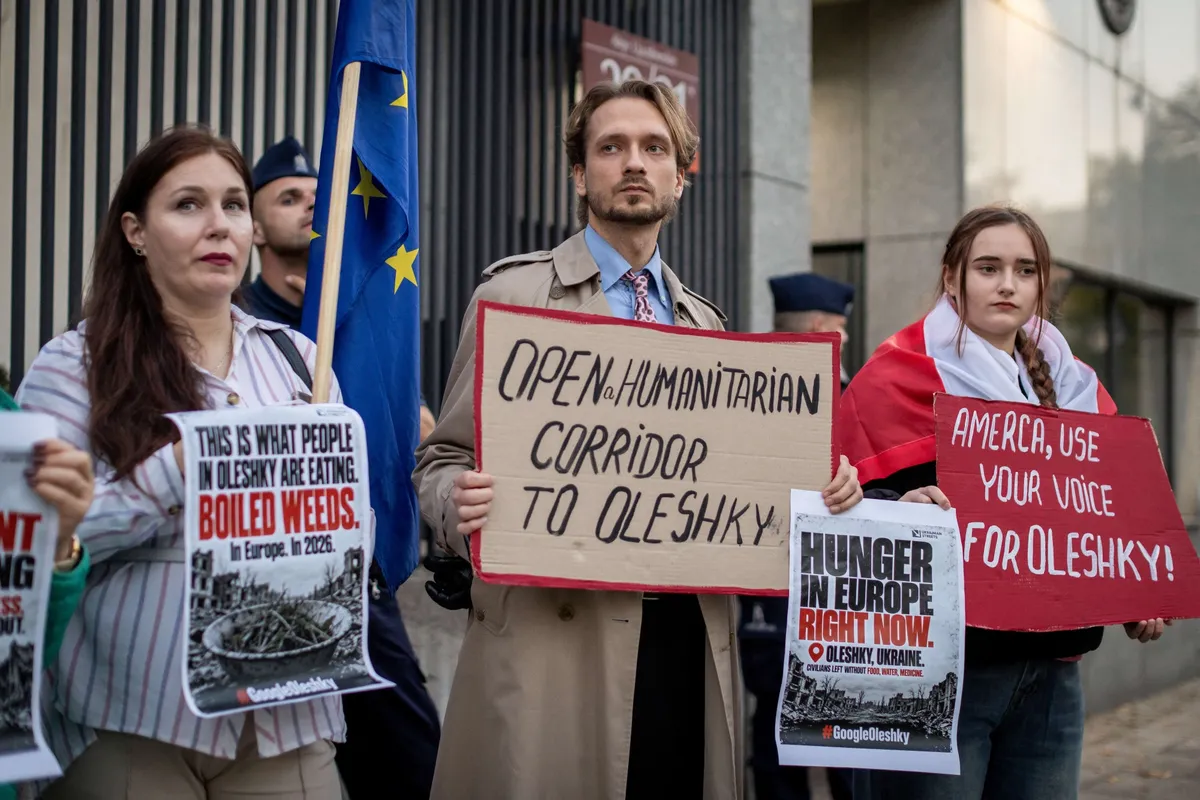
Ceasefire Agreed in Oleshky Amid Ukraine's Humanitarian Crisis
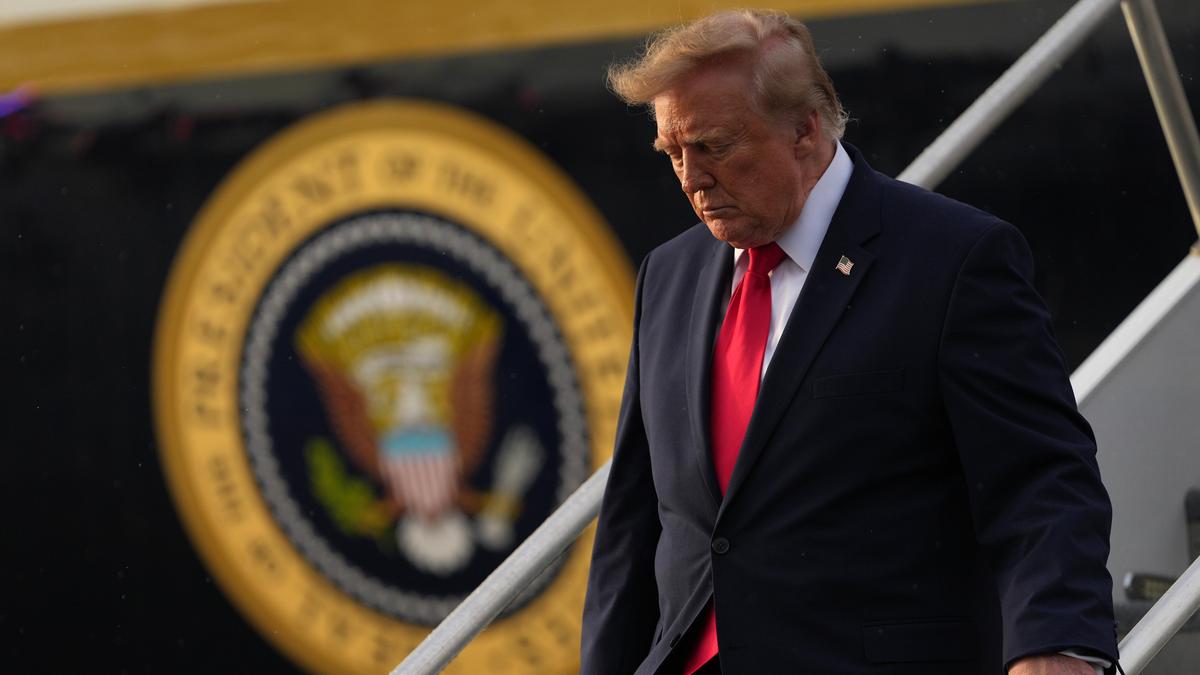
Donald Trump Hints at US Interest in Cuba After Conflict in Iran
UK Court Rules Against India in RAKIA Investment Dispute
India Raises Concerns Over Chinese Border Patrolling Deviations