Bengali Muslims Face Increased Marginalisation in India


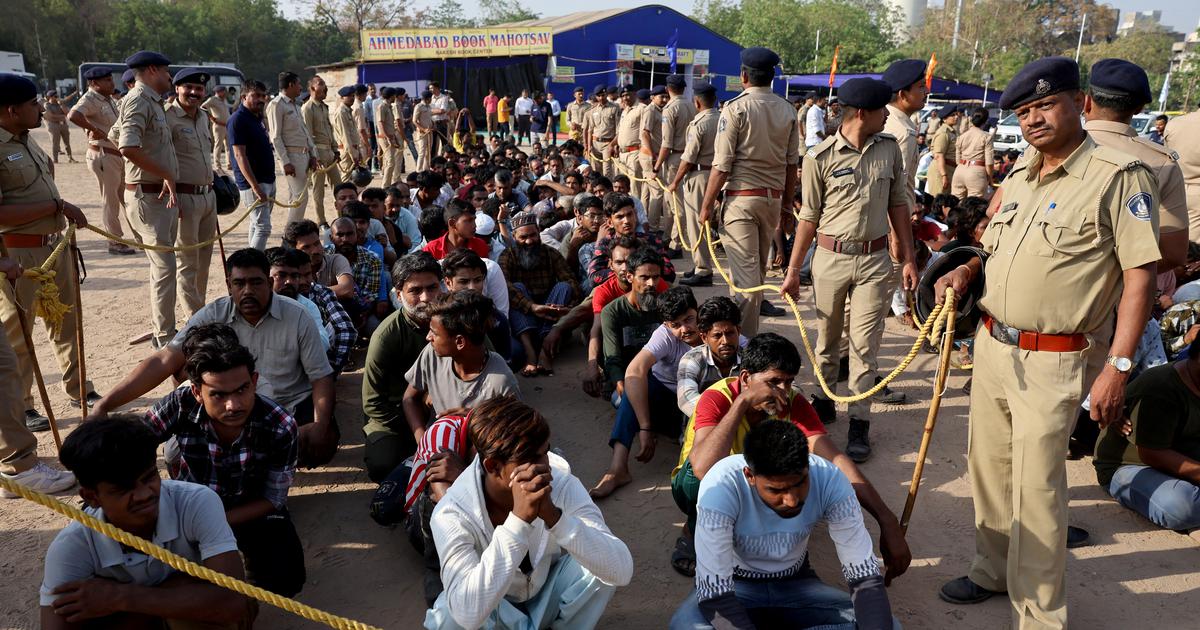
Recent developments have highlighted growing concerns surrounding the treatment of Bengali-speaking Muslims in India. The political climate has shifted, leading to widespread suspicion of this group, often viewed as outsiders solely based on their ethno-linguistic identity. Reports show that many individuals identified as Bengali Muslims have faced scrutiny and detention in states like West Bengal and Chhattisgarh, raising questions about their citizenship status and the validity of documentation they present.
In a notable case, approximately 3,000 Bengali Muslim waste workers were detained in Bengaluru under a verification drive aimed at identifying unauthorised migrants. Ultimately, only 31 of those apprehended were confirmed to be Bangladeshi nationals. In another incident, a woman tracing her roots to West Bengal was detained and deported despite her claims of Indian citizenship.
Multiple voices have emerged accusing state authorities of bias against Bengali Muslims, asserting that their ethnic and religious backgrounds are being weaponised in nationality verification processes. Family members of detainees report that documentation proving their identity, including electoral rolls and other legal papers, is often dismissed by officials.
Legal expert Mohsin Bhat refers to this phenomenon as "documentary doublethink," where the legitimacy of submitted documents seems to be questioned while authorities continue to demand them. This raises concerns about the broader implications of governmental policies on citizenship, suggesting that the state prioritises ethnic profiling over a fair assessment of an individual’s legal status.
The situation extends beyond mere bureaucratic error; it has become a matter of human rights. The organisation Banglar Manabadhikar Suraksha Mancha (MASUM) has noted instances of wrongful detention based on mere suspicion rather than concrete evidence. In particular, the case of Dablu Sheikh and his family illustrates the alarming reality many face. Sheikh, his three sons, and other residents have found themselves unjustly labelled as foreign nationals despite their names remaining on electoral rolls.
The implications are profound. Citizens with valid documentation, including those who participated in the Special Intensive Revision (SIR) of electoral rolls, experience anxiety regarding their citizenship status. This issue becomes more critical as political narratives around illegal immigration shape public perception and policy decisions. Political scientist Niraja Jayal Gopal articulated this issue, emphasising that states must ensure their actions do not infringe on the rights of legitimate citizens, questioning the rationale behind dredging up allegations against law-abiding individuals.
More troublingly, the potential for abuse in the system means individuals are denied due process and adequate legal recourse. Many have been detained without trial, leading to calls for transparency and accountability in how nationality is affirmed or contested.
The overall picture is one of increased marginalisation for Bengali Muslims. As authorities continue to strictly enforce regulations regarding illegal immigration, it raises critical questions about identity and belonging in a rapidly shifting political landscape. The future of thousands remains uncertain as they grapple with a system that appears to undermine their very existence in their homeland.
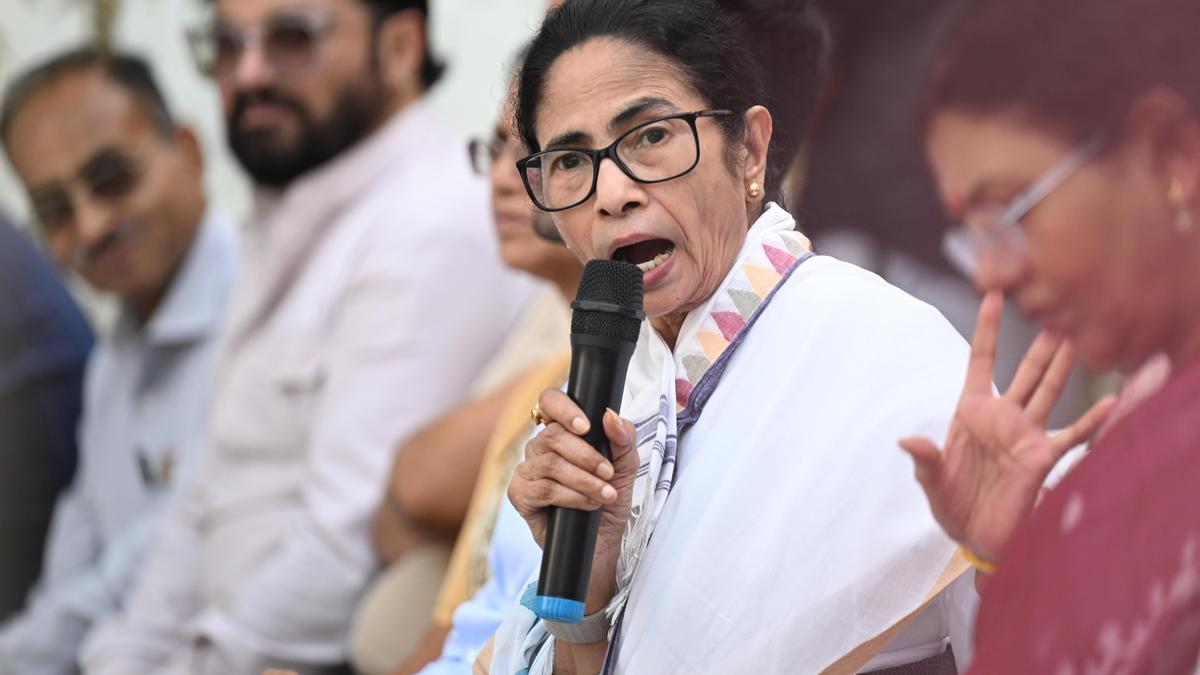
Mamata Banerjee Criticises Election Chief Over Poll Irregularities
President Murmu Highlights Gandhi's Message on Birth Anniversary
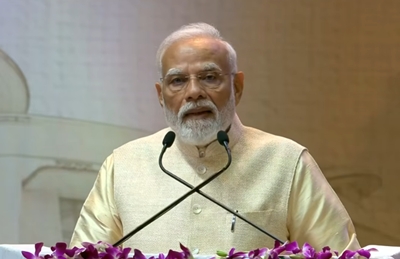
Modi Highlights Subhas Chandra Bose's UPSC Exam in Sanskrit
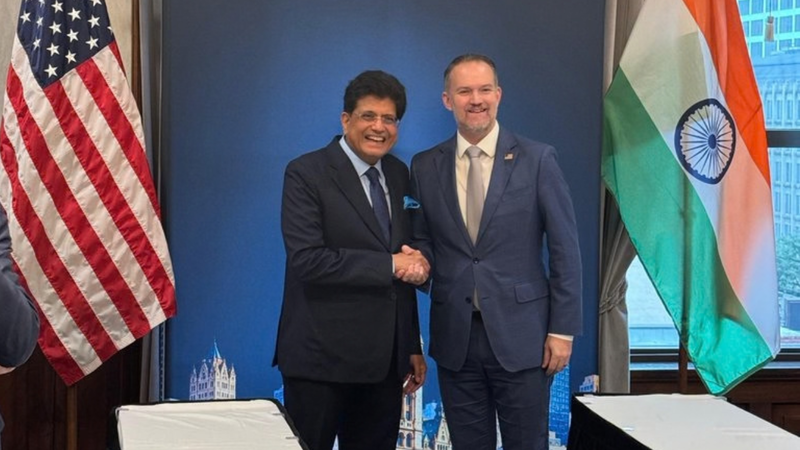
India-US Trade Deal Unlikely Soon, Says US Trade Representative