Bangladesh Votes in Favour of Constitutional Reforms in Referendum


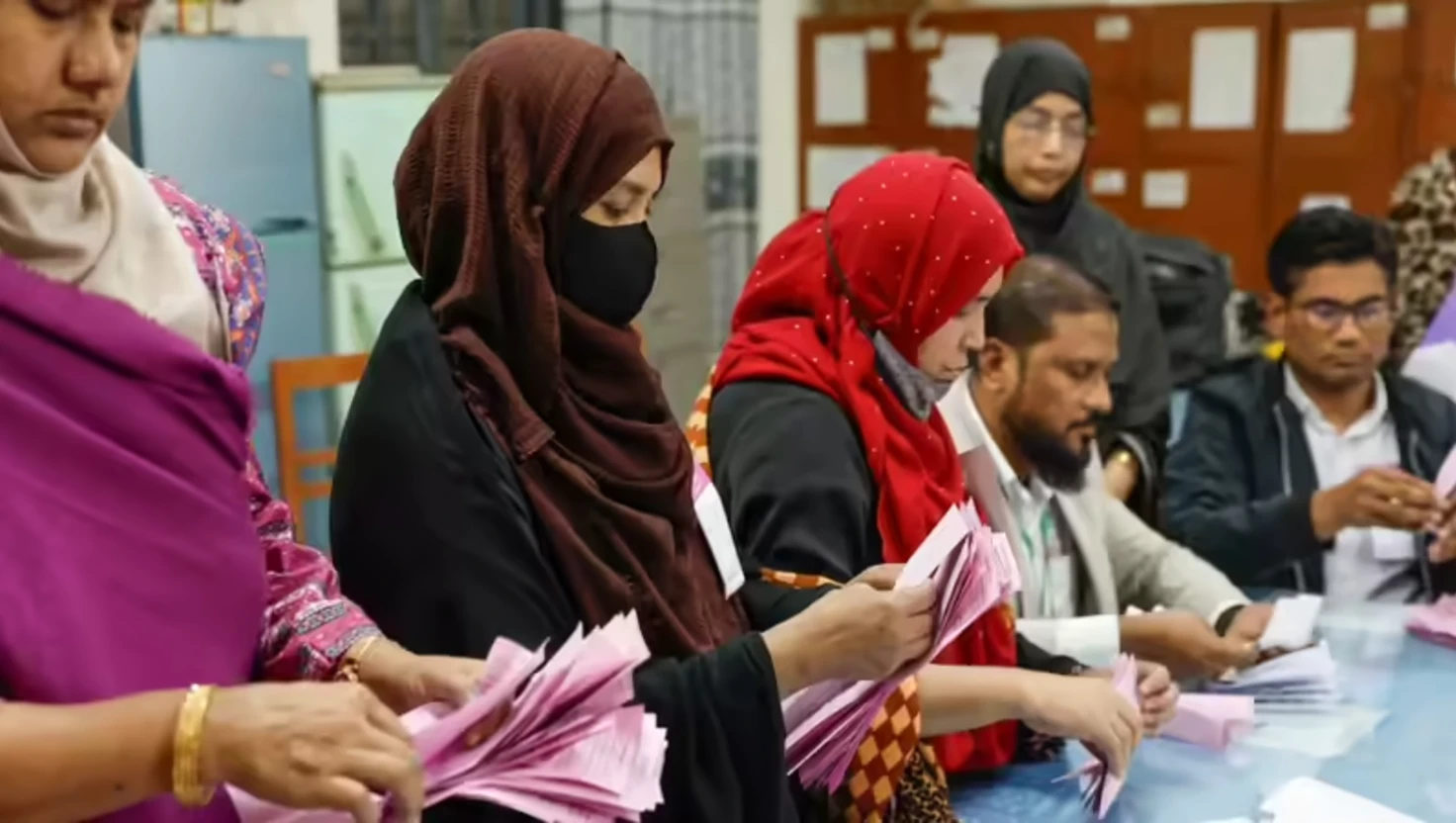
Bangladesh has witnessed a remarkable shift in its political landscape as voters have overwhelmingly supported a series of constitutional reforms encapsulated in the 'July Charter'. This proposal seeks to reform the political framework following significant unrest that culminated in the ousting of former Prime Minister Sheikh Hasina in 2024. The voting took place alongside the 13th general election, with reports indicating approximately 65.5 per cent of voters backing the reforms.
The reforms proposed in the charter include a comprehensive array of changes aimed at decentralising power. Key amendments suggest that no individual may serve as prime minister for more than two terms or a total of ten years. Additionally, the prime minister will no longer hold dual roles as both the head of government and the leader of the ruling party. This reform is intended to reduce the concentration of power and ensure accountability.
Another significant aspect of the 'July Charter' is the limitation of emergency powers, which will now require the written consent of the cabinet and the opposition leader before they can be invoked. This is a marked departure from past practices where such powers were often exercised unilaterally.
The charter also proposes the establishment of a bicameral parliament. The existing Jatiya Sangsad will function as the lower house, while a new senate comprising 100 members will serve as the upper chamber. This change is seen as a way to enhance representation and legislative scrutiny.
Women's representation in politics is also set to increase, with proposals to reserve 100 seats for women in the parliament, further indicating a commitment to gender equality in governance.
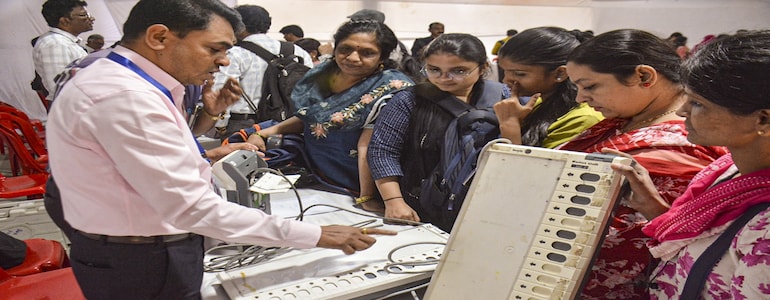
In a bid to restore public trust in elections, the reforms suggest the reinstatement of a non-partisan caretaker government to supervise future general elections. Complementing this, the election commission will undergo restructuring to include independent experts nominated by a parliamentary committee. Additionally, a return to using paper ballots is proposed, prompted by widespread scepticism regarding electronic voting machines.
Judicial independence is another cornerstone of the 'July Charter', which aims to diminish political influence over the judiciary through the establishment of a Supreme Judicial Council and an independent appointments commission.
The charter will also introduce new constitutional rights, including guarantees for data protection and uninterrupted access to the internet, adapting to modern societal needs.
Parallel to the referendum, the parliamentary elections seem to indicate a significant resurgence for the Bangladesh Nationalist Party (BNP), led by Tarique Rahman, the son of former Prime Minister Khaleda Zia. Early estimates suggest the BNP and its allies may secure a majority in parliament, with reports indicating they have secured over 180 seats out of the 297 announced so far.
However, following the recent death of Khaleda Zia, Tarique Rahman has advised supporters to refrain from celebrations at this time.
The impact of these reforms will likely resonate through Bangladeshi politics as the country navigates this pivotal moment in its democratic journey, seeking to build a more equitable and accountable governance structure.

BJP Allies Urge Election Commission to Address Public Concerns

Thousands of Ganesh Idols Immersed in Telangana Festivities
Jaishankar Calls Attacks on Civilian Shipping ‘Indefensible’

Indian Prime Minister Urges Integration of Social Reforms in Governance