JSW Steel Maintains ₹20,000 Crore Capex Push Amid Bhushan Power Uncertainty


| 2025-05-26

Representational image
JSW Steel continues ₹20,000 crore investment despite Supreme Court's liquidation order on Bhushan Power & Steel, aiming for 43.4 MT capacity by 2027.
JSW Steel has reaffirmed its ₹20,000 crore capital expenditure plan for the current fiscal year, despite legal setbacks involving its subsidiary Bhushan Power & Steel Ltd (BPSL), which faces liquidation following a Supreme Court ruling.
The Indian steel giant, led by billionaire Sajjan Jindal, is aiming to significantly expand its production capacity and mining operations by September 2027, with a target of reaching 43.4 million tonnes per annum (mtpa). This includes a 5 mtpa plant being developed at Dolvi in Maharashtra and recently added capacity at Vijayanagar, Karnataka.
On Friday, JSW Steel’s board approved a fresh capital investment of ₹14,065 crore—on top of earlier sanctioned amounts—as part of the company’s long-term growth strategy. This comes at a time when the fate of BPSL, whose 4.5 mtpa capacity was included in JSW's projections, remains uncertain following a Supreme Court order on 2 May to liquidate the company.
Expansion Plans Uninterrupted
Despite the BPSL ruling, JSW Steel’s leadership remains confident in the company’s growth trajectory. Jayant Acharya, Joint Managing Director and Chief Executive Officer, told The Telegraph that steel demand in India is expected to increase by 13–14 mt in the current fiscal year, and JSW is “well placed to take advantage of that growth story.”
The company is pressing ahead with expansions not just in raw steel capacity but also in high-value downstream products. Investments include a galvanising and galvannealed line for high-strength automotive steel, an expanded facility for cold rolled grain-oriented steel in partnership with Japan’s JFE, and a new zinc-magnesium plant in western India. Additionally, a plate mill at Anjar is being constructed to serve the defence sector.
In a further bid to secure raw materials, JSW is developing three iron ore mines in Karnataka and three more in Goa, along with a coking coal mine. The company has earmarked ₹4,208 crore for mine development and related cost-efficiency measures.
Legal Battle Over BPSL Acquisition
JSW Steel acquired Bhushan Power & Steel in 2021 under a ₹19,700 crore resolution plan approved by creditors and the National Company Law Tribunal (NCLT), after BPSL defaulted on major loans. However, on 2 May 2025, the Supreme Court declared the acquisition unlawful, citing “flagrant violations” of the Insolvency and Bankruptcy Code (IBC), and ordered the company to be liquidated.
The court’s decision stunned corporate India, as it came four years after the acquisition had been completed. The judgment raised concerns about the finality and enforceability of IBC resolution plans, potentially deterring future bidders in insolvency cases.
JSW has maintained that its investment in BPSL is safeguarded by the resolution plan and is now seeking a review of the ruling.
The company filed a petition under Article 137 of the Indian Constitution, which allows the Supreme Court to review its judgments. On 26 May, a separate bench of the Court ordered a status quo, halting liquidation proceedings until further review—offering temporary relief to JSW.
Economic and Industry Outlook
JSW Steel expects India’s overall steel demand to reach 165 mt in the next fiscal year, up from 152 mt in FY25. The company cites government infrastructure spending, a potential rate cut by the central bank, and a favourable monsoon season as key growth drivers.
Acharya said the renewable energy sector, the automotive industry, household appliances, and affordable housing projects will be major sources of demand. “India is better placed despite the geopolitical tensions,” he said.
Pricing and Profitability Trends
JSW Steel reported a quarter-on-quarter rise of ₹872 crore in EBITDA for the final quarter of FY25. The firm is optimistic about improved profitability in FY26, helped by rising steel prices and lower input costs. The Indian government’s imposition of a 12% provisional safeguard duty on imported steel has supported domestic prices, which have risen by ₹3,250 per tonne.
Meanwhile, the cost of coking coal—a key steelmaking input—is expected to fall by US$15 per tonne in the first quarter. JSW’s 1 GW renewable energy project, soon to be fully operational, will also contribute to lower energy costs.
The company is also banking on positive contributions from its international operations in the United States and Italy. Improved pricing and new rail orders are expected to boost results in these markets.
Context: A Landmark Case for India’s Insolvency Framework
The JSW-BPSL dispute has emerged as a key test case for India’s Insolvency and Bankruptcy Code. The Supreme Court’s initial decision to annul the acquisition, even after full implementation and asset integration, sent shockwaves through the industry. Legal experts and business leaders warned that such a precedent could undermine investor confidence in the IBC framework.
The 26 May decision to halt liquidation proceedings has, however, revived optimism that the judiciary may offer clarity and stability in future insolvency resolutions. As the court considers JSW’s review petition, the outcome is likely to have lasting implications for India’s corporate restructuring landscape.

Reliance Retail acquires Kelvinator, The Coolest One
Reliance Retail has purchased the Kelvinator brand from Electrolux for nearly ₹160 crore, aiming to strengthen its position in India's consumer durables market.
| 2025-07-19

Saiyyara has shattered every myth about launching newcomers. No big names, no big PR
Madhur Bhandarkar praises debut film 'Saiyaara' for its raw talent and storytelling, marking a shift in Bollywood's approach to newcomers.
| 2025-07-19
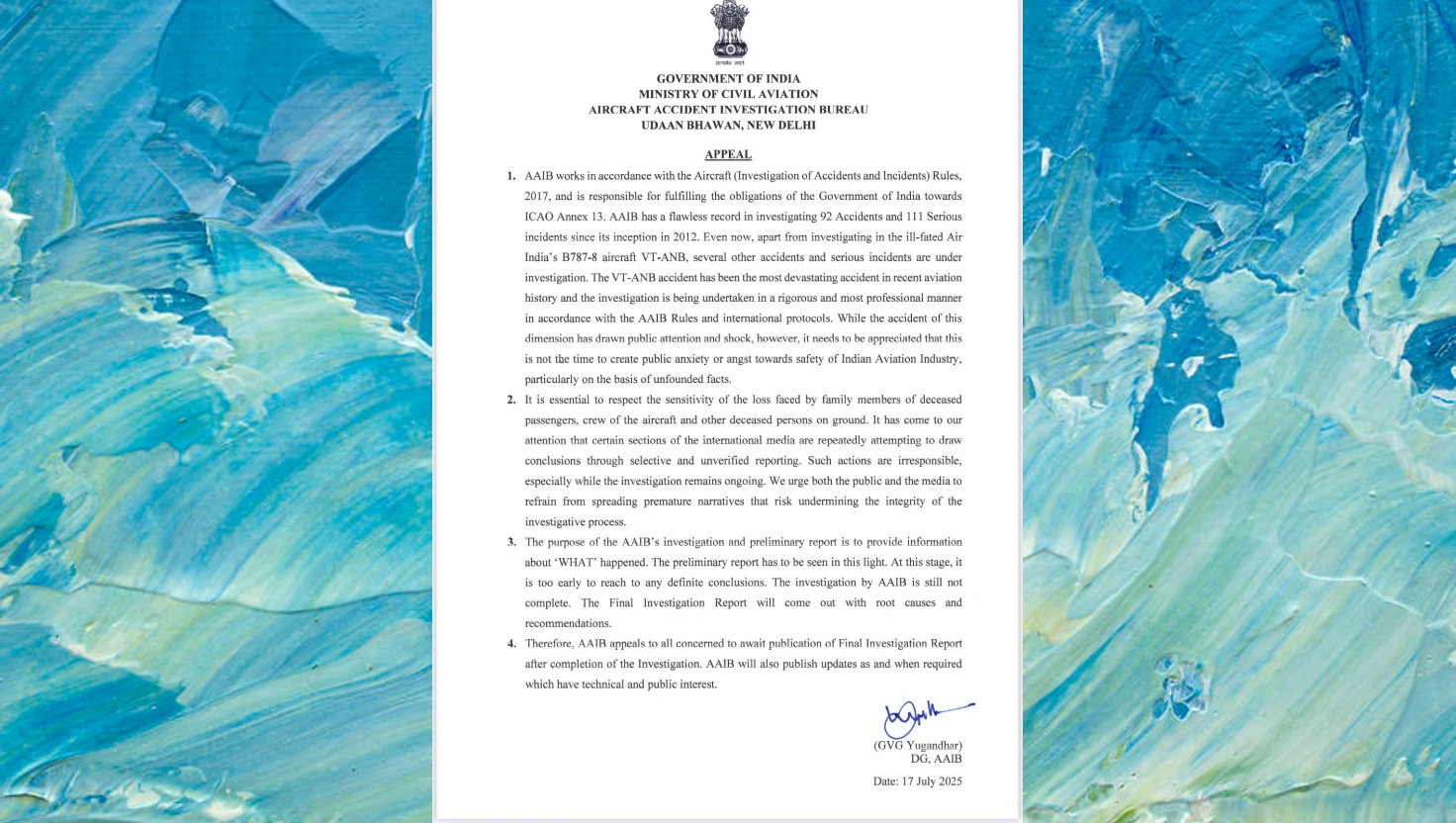
India slams reports blaming pilots for Air India crash
India's AAIB disputes US media assertions regarding Air India AI 171 crash, highlighting ongoing investigation and sensitivity towards victims' families.
| 2025-07-18
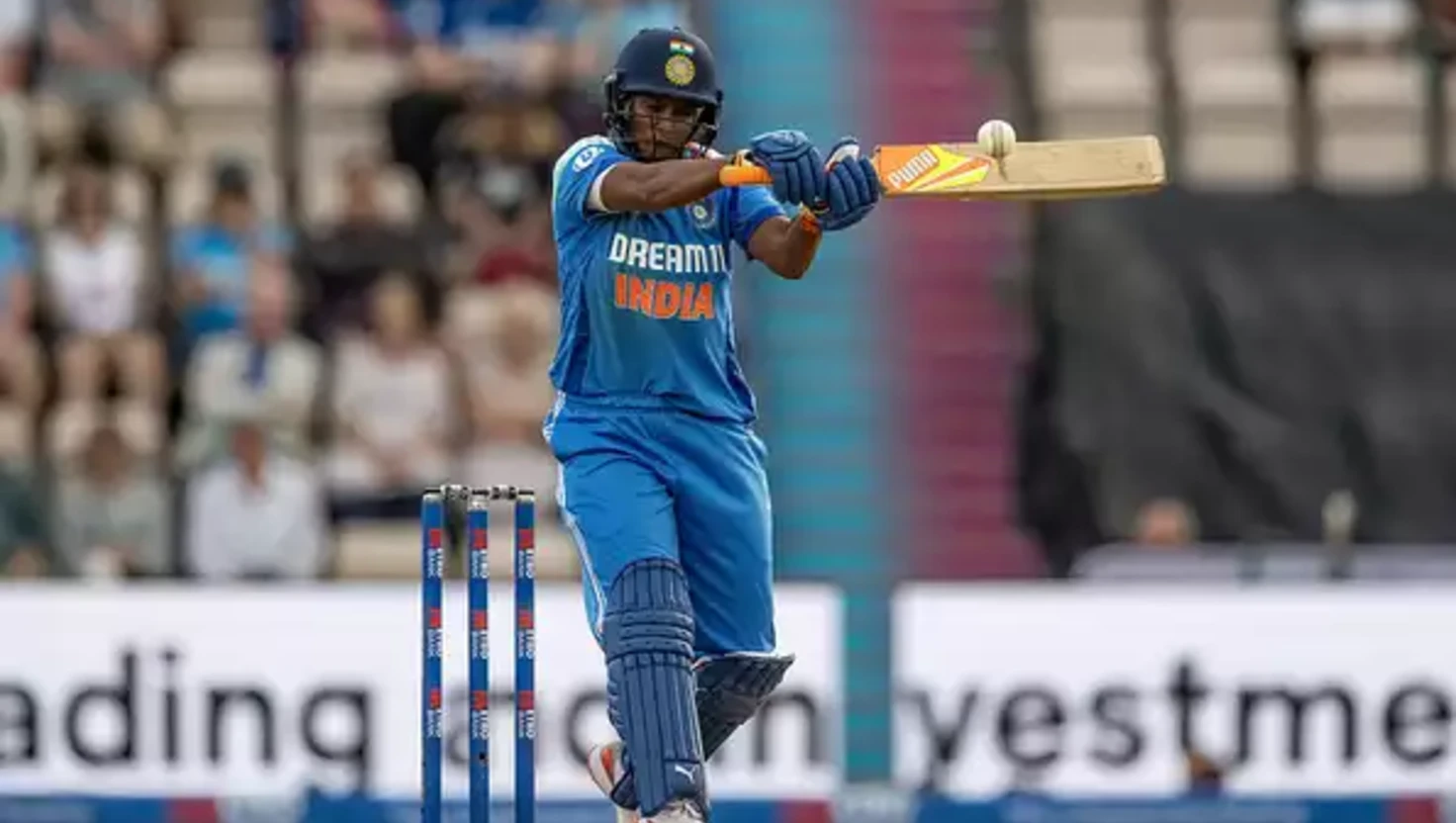
India Secures Four-Wicket Win in ODI Series Opener Against England
India achieves a four-wicket victory over England in the ODI series opener, led by Deepti Sharma's unbeaten 62 runs.
| 2025-07-17
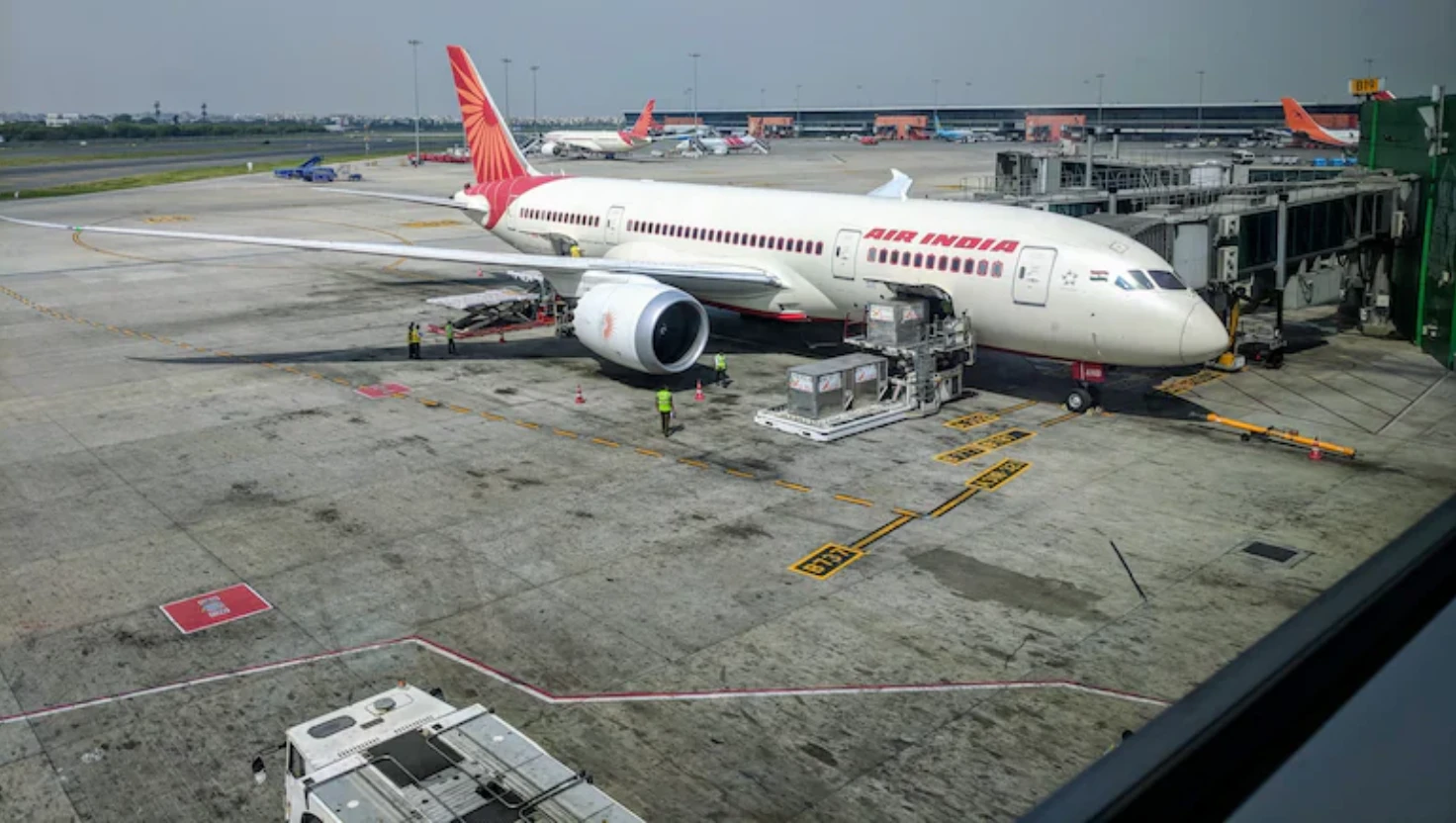
Air India inspection claims no problems found with Boeing 787 fuel control switches
Air India has conducted thorough inspections of its Boeing 787 fuel control switches, reporting no problems following a DGCA directive.
| 2025-07-17