Bali Jatra: Symbolizing glorious past of India’s trade and cultural connections with Southeast Asia


| 2024-12-01

Bali Jatra: Reaffirming India’s historical ties with Southeast Asia
Bali Jatra, which translates to "Voyage to Bali," is an iconic festival that epitomizes India’s maritime legacy and its ancient trade and cultural connections with Southeast Asia.
This annual celebration, held on the banks of the Mahanadi River in Cuttack, Odisha, not only commemorates the seafaring spirit of ancient Odia mariners, known as Sadhabas, but also reaffirms India's historical ties with the Southeast Asian region.
The grandeur of Bali Jatra has evolved into one of Asia's largest open-air trade fairs, drawing millions of visitors and offering a unique confluence of history, culture, commerce, and diplomacy.
Historical significance
The origins of Bali Jatra lie in the thriving maritime trade of the Kalinga Empire (present-day Odisha) during ancient and medieval times.
Historical accounts and archaeological evidence reveal that the ‘Sadhabas’, skilled mariners and traders of Kalinga, navigated vast stretches of the Bay of Bengal and established robust trade networks with Southeast Asian islands such as Bali, Java, Sumatra, and Borneo.
These voyages were facilitated by vessels known as Boitas—large, sturdy ships crafted from locally sourced teak and sal wood. Trade and commerce during this era extended beyond material goods; it encompassed cultural, religious, and linguistic exchanges that left an indelible impact on Southeast Asia.
For instance, the flourishing Hindu-Buddhist cultural syncretism in Bali can be traced back to these early interactions, as the Sadhabas introduced Indian scripts, rituals, and temple architecture to these regions.
Bali Jatra serves as a living celebration of these ancient ties and the maritime prowess of India Odisha.
Global celebration
The 2024 edition of Bali Jatra, inaugurated by Odisha Chief Minister Mohan Charan Majhi on November 15, was marked by unprecedented global participation.
For the first time, the festival hosted diplomats, ambassadors, and high commissioners from 14 countries, including members of ASEAN, BIMSTEC, and Pacific Island nations.
These dignitaries were taken on a symbolic boat ride across the Mahanadi River in traditional vessels named after the region’s major rivers, such as Mahanadi, Kathajodi, and Birupa. This ceremonial journey not only honored Odisha’s maritime history but also served as a gesture of international goodwill.
Cultural troupes from six nations—Thailand, Nepal, Sri Lanka, Slovakia, Indonesia, and Bhutan—enriched the event with performances that highlighted the shared cultural heritage between India and these countries.
This cross-cultural collaboration underscored Bali Jatra’s significance as more than a local festival; it is a platform for fostering international cultural diplomacy.
Cultural and diplomatic resonance
Bali Jatra serves a dual purpose: it is both a celebration of Odisha’s illustrious maritime past and a diplomatic event that positions Odisha as a bridge between India and Southeast Asia.
With the presence of international dignitaries and cultural representatives, the festival reinforces India’s Act East Policy by highlighting historical connections and fostering future collaborations.
The festival’s growing international recognition is a testament to its role in preserving India’s soft power. It is an exemplar of how local traditions can be leveraged to create global narratives, fostering pride among citizens and interest among global audiences.
Traditions around Bali Jatra
Bali Jatra traditionally begins on Kartika Purnima, the full moon day of the Hindu lunar month Kartika (October–November). This day marks the auspicious occasion when the Sadhabas would set sail for their voyages.
Central to the festival is the symbolic ritual of Boita Bandana (worshipping of boats), where devotees float miniature boats crafted from banana leaves or paper, often illuminated with lamps, in water bodies. This ritual symbolizes the safe journeys of ancient traders and is imbued with cultural and emotional significance.
In modern times, the festival spans a week and transforms the Cuttack riverside into a sprawling fairground. From the traditional ‘thunka puri’ served with ‘chhena tarkari’ to the more contemporary roller coaster rides, Bali Jatra is a microcosm of Odisha’s evolving cultural tapestry.
Conclusion
Bali Jatra is more than a festival; it is a testament to the enduring legacy of Odisha’s maritime heritage. It pays homage to the adventurous spirit of the Sadhabas while simultaneously adapting to modern sensibilities, ensuring that the tradition remains relevant for future generations.
By integrating cultural diplomacy and commerce, Bali Jatra stands as a shining example of how history can inform contemporary identity and international relations.
As Bali Jatra continues to evolve, its essence remains rooted in the values of exploration, trade, and cultural exchange—a timeless reminder of Odisha’s pivotal role in shaping regional and global history.
*** The writer is a Bengaluru-based journalist; views expressed here are her personal
The grandeur of Bali Jatra has evolved into one of Asia's largest open-air trade fairs, drawing millions of visitors and offering a unique confluence of history, culture, commerce, and diplomacy.
Historical significance
The origins of Bali Jatra lie in the thriving maritime trade of the Kalinga Empire (present-day Odisha) during ancient and medieval times.
Historical accounts and archaeological evidence reveal that the ‘Sadhabas’, skilled mariners and traders of Kalinga, navigated vast stretches of the Bay of Bengal and established robust trade networks with Southeast Asian islands such as Bali, Java, Sumatra, and Borneo.
These voyages were facilitated by vessels known as Boitas—large, sturdy ships crafted from locally sourced teak and sal wood. Trade and commerce during this era extended beyond material goods; it encompassed cultural, religious, and linguistic exchanges that left an indelible impact on Southeast Asia.
For instance, the flourishing Hindu-Buddhist cultural syncretism in Bali can be traced back to these early interactions, as the Sadhabas introduced Indian scripts, rituals, and temple architecture to these regions.
Bali Jatra serves as a living celebration of these ancient ties and the maritime prowess of India Odisha.
Global celebration
The 2024 edition of Bali Jatra, inaugurated by Odisha Chief Minister Mohan Charan Majhi on November 15, was marked by unprecedented global participation.
For the first time, the festival hosted diplomats, ambassadors, and high commissioners from 14 countries, including members of ASEAN, BIMSTEC, and Pacific Island nations.
These dignitaries were taken on a symbolic boat ride across the Mahanadi River in traditional vessels named after the region’s major rivers, such as Mahanadi, Kathajodi, and Birupa. This ceremonial journey not only honored Odisha’s maritime history but also served as a gesture of international goodwill.
Cultural troupes from six nations—Thailand, Nepal, Sri Lanka, Slovakia, Indonesia, and Bhutan—enriched the event with performances that highlighted the shared cultural heritage between India and these countries.
This cross-cultural collaboration underscored Bali Jatra’s significance as more than a local festival; it is a platform for fostering international cultural diplomacy.
Cultural and diplomatic resonance
Bali Jatra serves a dual purpose: it is both a celebration of Odisha’s illustrious maritime past and a diplomatic event that positions Odisha as a bridge between India and Southeast Asia.
With the presence of international dignitaries and cultural representatives, the festival reinforces India’s Act East Policy by highlighting historical connections and fostering future collaborations.
The festival’s growing international recognition is a testament to its role in preserving India’s soft power. It is an exemplar of how local traditions can be leveraged to create global narratives, fostering pride among citizens and interest among global audiences.
Traditions around Bali Jatra
Bali Jatra traditionally begins on Kartika Purnima, the full moon day of the Hindu lunar month Kartika (October–November). This day marks the auspicious occasion when the Sadhabas would set sail for their voyages.
Central to the festival is the symbolic ritual of Boita Bandana (worshipping of boats), where devotees float miniature boats crafted from banana leaves or paper, often illuminated with lamps, in water bodies. This ritual symbolizes the safe journeys of ancient traders and is imbued with cultural and emotional significance.
In modern times, the festival spans a week and transforms the Cuttack riverside into a sprawling fairground. From the traditional ‘thunka puri’ served with ‘chhena tarkari’ to the more contemporary roller coaster rides, Bali Jatra is a microcosm of Odisha’s evolving cultural tapestry.
Conclusion
Bali Jatra is more than a festival; it is a testament to the enduring legacy of Odisha’s maritime heritage. It pays homage to the adventurous spirit of the Sadhabas while simultaneously adapting to modern sensibilities, ensuring that the tradition remains relevant for future generations.
By integrating cultural diplomacy and commerce, Bali Jatra stands as a shining example of how history can inform contemporary identity and international relations.
As Bali Jatra continues to evolve, its essence remains rooted in the values of exploration, trade, and cultural exchange—a timeless reminder of Odisha’s pivotal role in shaping regional and global history.
*** The writer is a Bengaluru-based journalist; views expressed here are her personal

Indian Women's Hockey Team Secures Asian Games Gold After 44 Years
The Indian women's hockey team wins the Asian Games gold, defeating China 1-0, marking their first title since 1982.
| 2026-10-03

North Korea Launches Ballistic Missile Amid Rising Tensions
North Korea has fired a ballistic missile from Wonsan, flying over 700 km into the sea, prompting responses from South Korea and the US.
| 2026-10-03

G7 Nations to Release 100 Million Barrels of Oil Amid Price Surge
G7 countries agree to release 100 million barrels of oil over four months to combat rising fuel prices in the United States.
| 2026-10-03
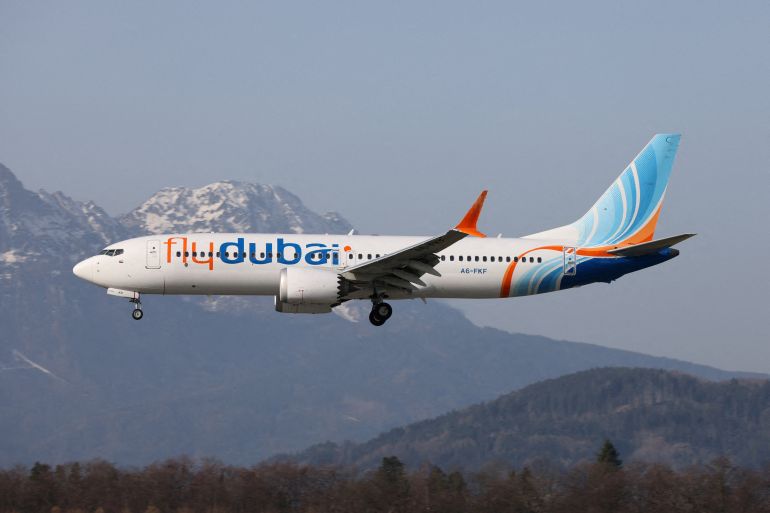
Flydubai Co-Pilot Allegedly Attempts Terrorist Attack Mid-Flight
The co-pilot of Flydubai Flight FZ1073 reportedly used an axe in an attempt to crash the plane, prompting a swift response from crew and passengers.
| 2026-10-03
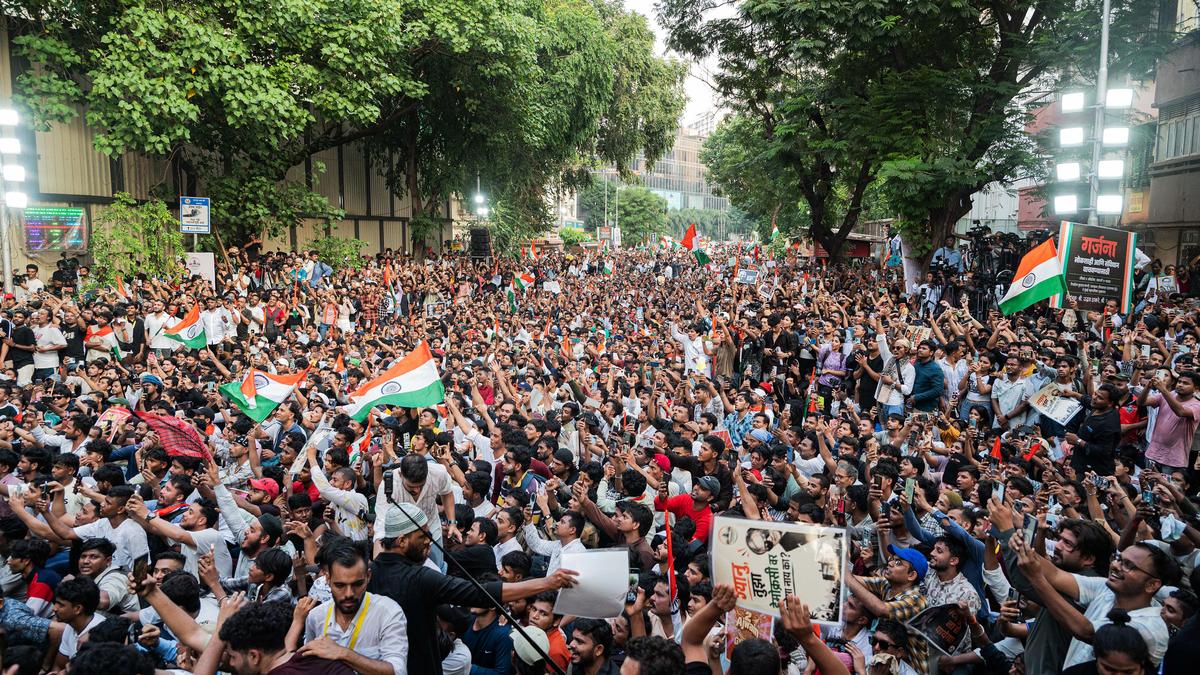
Protests in Delhi Demand Resignation of Chief Election Commissioner
Demonstrations in Delhi lead to three FIRs registered by police, calling for CEC Gyanesh Kumar's resignation amid allegations of bias.
| 2026-10-03