H-1B Visa Curbs and US Policy Clarification: Impact on Indians and Texas Real Estate


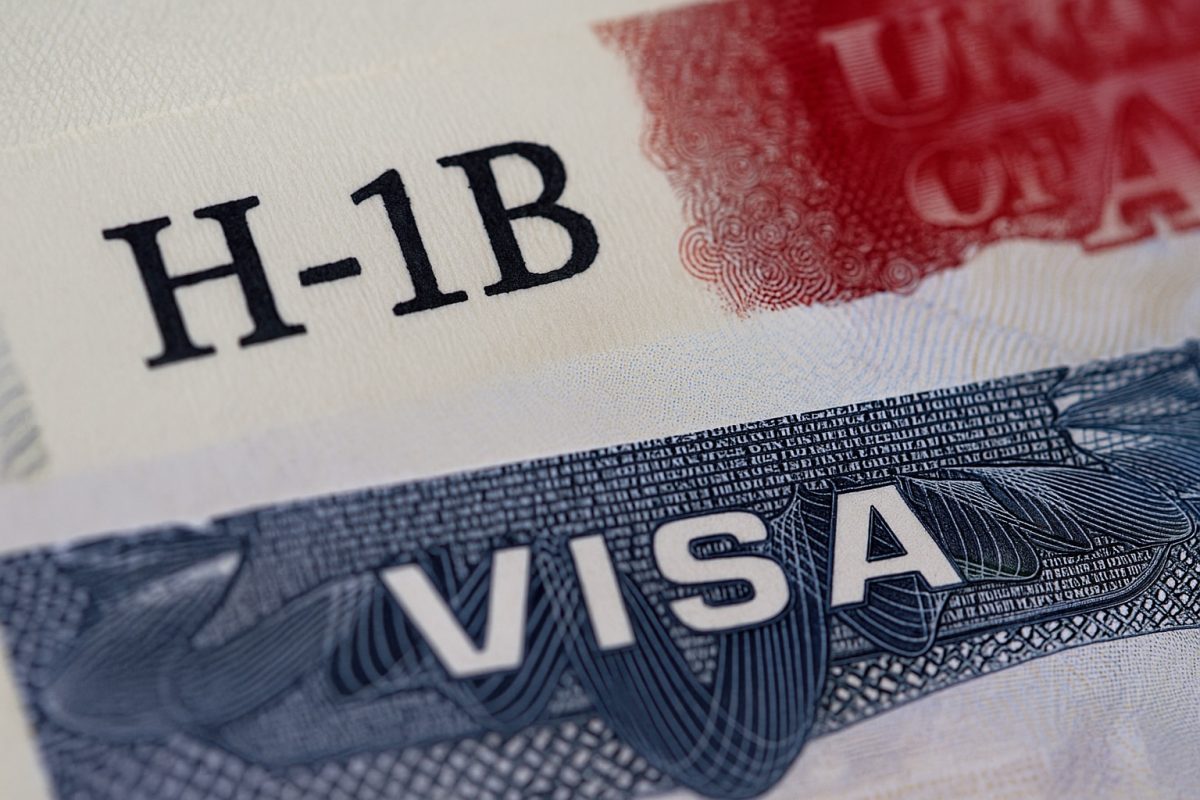
The US government's stricter H-1B visa policies and increased uncertainty surrounding employment-based immigration are beginning to impact several sectors, particularly in Texas, where Indian technology professionals have long been a major contributor to economic growth and housing demand.
For years, Indian workers employed in the expanding technology hubs around Dallas and Austin helped fuel population growth and home purchases. Many settled in rapidly developing suburbs, driving residential construction and increasing property values. However, a combination of H-1B restrictions, rising costs for visa sponsorship, and technology-sector layoffs has reduced the number of Indian professionals entering or remaining in these markets. As a result, housing demand has weakened, home prices in some Texas suburbs have declined, and builders are reporting higher inventories of unsold homes. Luxury home developers that once relied heavily on South Asian buyers have seen a significant drop in sales from that demographic.
The effects are also being felt personally by immigrants. H-1B workers who lose their jobs often face limited time to secure a new employer sponsor or leave the United States. Some homeowners are selling properties at losses, renting them out while waiting for market conditions to improve, or considering returning to India altogether.
Amid growing concerns among Indians in the US that immigration measures may be targeting them specifically, a senior US State Department official has stated that US visa laws are not directed at India. According to the official, the rules are applied consistently and transparently across all countries as part of a global immigration framework. The clarification was issued in response to concerns raised by Indian communities regarding H-1B visas and broader immigration policies.
The official emphasized that there are no visa laws designed exclusively for India. Instead, the regulations are intended to apply equally to applicants worldwide. While Indians remain among the largest beneficiaries of the H-1B program, they are also among the groups most affected by policy changes because of their significant participation in the system.
Overall, the combination of tighter immigration controls, higher visa-related costs, and labor market changes is creating uncertainty for many skilled foreign workers. These developments are influencing not only employment prospects but also local economies and real estate markets that had previously benefited from strong immigration-driven growth.
Kerala Initiates Probe into 2006 Suicide Case Involving CEC

Extradition of Sheikh Hasina Feasible, Says Indian High Commissioner

Punjabi Makeup Artist Mad Sandhu Shot Dead in Amritsar

India Achieves Fourth Place at Asian Games 2026 Through Late Success