World Diabetes Day: Early Prevention of Diabetes is Key



World Diabetes Day is commemorated on 14 November each year to raise awareness about diabetes, a condition impacting millions globally. India is among the countries facing a significant diabetes burden. Many citizens hold the misconception that diabetes primarily stems from excessive sugar intake. Health professionals, however, clarify that prevention should begin well before any increase in blood sugar levels. If left unattended, diabetes can lead to serious complications affecting the heart, kidneys, eyes, and nerves.
According to Dr Deepak Thiriveedi, a consultant endocrinologist at AGI Hospital, 'Metabolic changes refer to alterations in how our body processes food and utilises energy.' One of the earliest signs of metabolic dysfunction is insulin resistance, where the body does not respond adequately to insulin. Dr Ravi Sankar Erukulapati, a consultant endocrinologist at Apollo Hospitals, echoes these concerns, stating that metabolic changes may begin years prior to any noticeable increase in blood glucose levels.
Many early symptoms related to diabetes, including increased waist circumference, abdominal weight gain, and dark patches of skin around the neck or armpits, may go unnoticed. 'An individual may appear healthy even with prediabetes. Therefore, regular screening is crucial,' Dr Deepak highlights. Type 2 diabetes typically develops gradually, as the body initially produces extra insulin to combat insulin resistance.
Screening for diabetes is recommended for individuals over 35 years old or for those with high-risk factors like family history, obesity, sedentary lifestyle, high blood pressure, fatty liver, and polycystic ovary syndrome. Dr Deepak notes, 'Indians tend to develop diabetes at younger ages and lower weights compared to global averages.' He is concerned that diabetes is increasingly diagnosed in younger adults.
Lifestyle choices remain pivotal in preventing or delaying the onset of type 2 diabetes. Modifications in daily habits can significantly influence the progression of genetic predispositions into diabetes. Research indicates that a weight loss of 5 to 7 per cent, combined with regular exercise and a balanced diet, can notably lower risks, especially for those who are overweight. Dr Deepak asserts that even small, consistent changes can have substantial effects. Recommended activities include brisk walking or moderate exercise. Additionally, adopting a diet rich in vegetables, pulses, and protein while reducing refined carbohydrates and sugary drinks is beneficial.
Breaking long periods of inactivity with short walks can also aid in prevention. Dr Deepak stresses, 'Consistency is more significant than perfection.' Misunderstandings about diabetes can hinder prevention efforts, as some people wrongly believe it arises solely from high sugar intake or affects only overweight individuals. He clarifies, 'Portion control, balanced nutrition, and regular exercise are crucial elements, rather than the elimination of particular foods.' Dr Ravi Sankar concludes, 'Effective diabetes prevention necessitates comprehensive lifestyle management.'

BJP Criticises Sonia Gandhi Over Memoir Claims of Power

Ladakh Administration Imposes Ban on Protests Ahead of Elections

Jammu and Kashmir Officials Respond to Recent Attacks
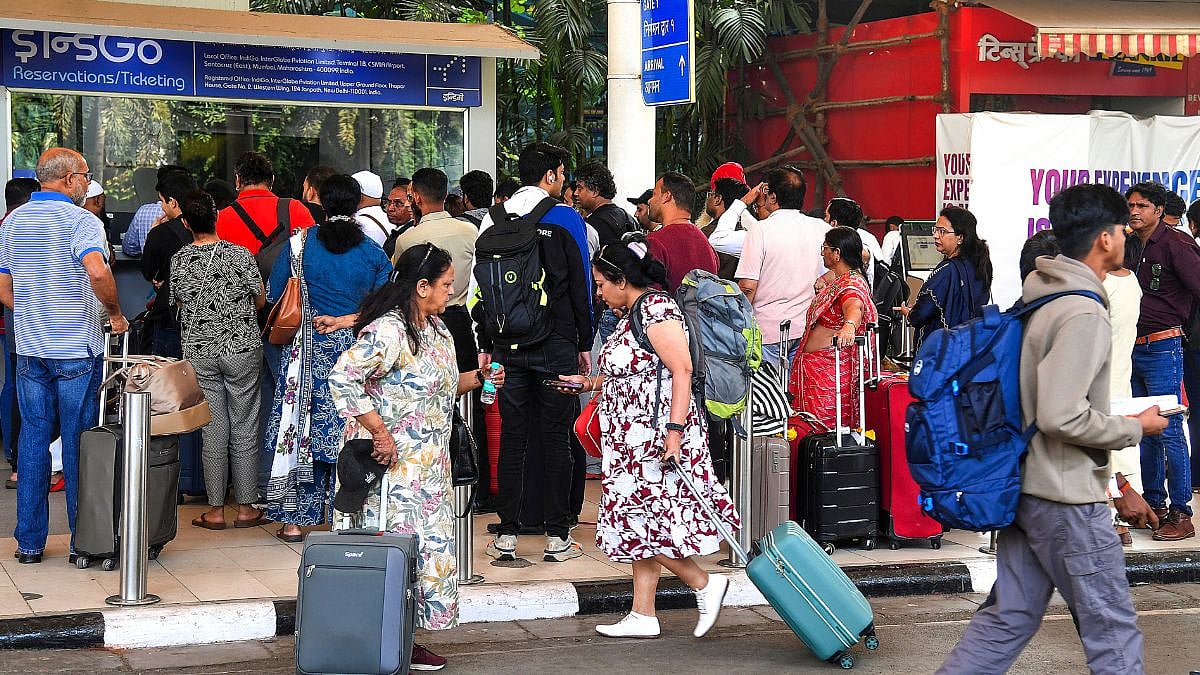
Fox Roams Runway as Passengers Experience Delay at Kolkata Airport