US Treasury Imposes Fresh Sanctions on Iran Amid Regional Tensions


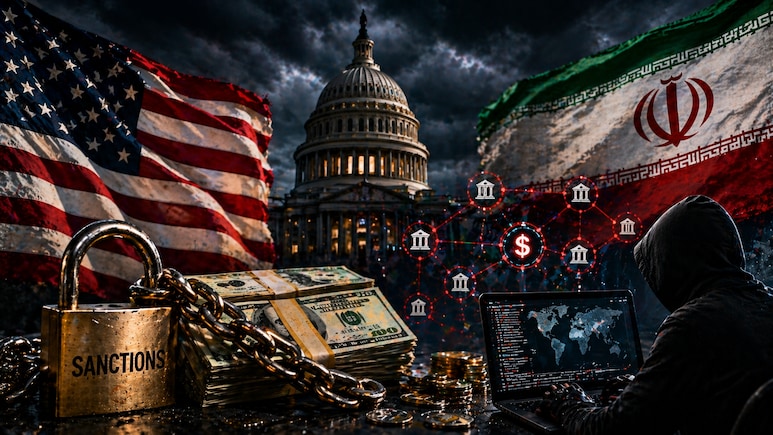
The United States Treasury Secretary Scott Bessent announced new sanctions targeting Iran on Monday, amidst escalating tensions in the Middle East. More than 25 Iranian exchange houses, front companies, and individuals have been identified as part of a scheme aiding Tehran in navigating a global shadow banking network.
Scott Bessent remarked, "Iran’s economy is underwater, and its leaders are panicking," signalling the US government's profound concern over Iran's financial stability and its implications for regional security.
Simultaneously, the Saudi-led coalition reported intercepting a ballistic missile aimed at the kingdom's western region, reflecting ongoing military actions related to the Houthis in Yemen. This incident follows earlier reports of Houthi drones targeting areas around Riyadh, escalating fears of conflict spillover.
In light of these developments, Iraqi Prime Minister Ali Falih al-Zaidi called for a peaceful resolution to the US-Iran conflict during a speech at the Arab League meeting in Cairo. He urged both nations to adhere to the principles of the United Nations Charter and stressed the importance of diplomatic solutions in preventing further escalation.
Saudi Arabia has yet to comment publicly on the Houthi claims of casualties, including reports that 17 workers were killed due to coalition airstrikes on telecommunications facilities in Hodeida, Yemen. The Houthis have stated that these attacks resulted in significant destruction, exacerbating the humanitarian crisis by disrupting internet and communication services for thousands.
In another incident, the Houthis reported coalition attacks in Lahj governorate that targeted civilian transportation, leading to further casualties. Independent verification of these claims remains unavailable.
The situation in the region continues to influence global oil markets, with prices declining on Monday due to increasing supplies from the Middle East and the reopening of the Libyan Sharara oil pipeline. Brent crude futures fell by 2.18 per cent to $90.55 a barrel, while US West Texas Intermediate futures dropped by 1.91 per cent to $81.82 per barrel according to Reuters. This price fluctuation occurred alongside fears of continuous shipping and refinery disruptions in the region, alongside Brent crude hitting its lowest in two weeks.
As tensions simmer in the Middle East, the international community remains watchful for developments regarding diplomatic efforts or escalations in military exchanges between various regional actors.

Air Pollution Linked to Brain Immune Cell Changes and Dementia

US Intensifies Military Readiness Amid Iran Tensions

Apple Set to Launch Five New Products in Early 2027

Democrats Achieve Largest House Majority Since 1992 in US Elections