US Sanctions Bill Could Impose 100% Tariffs on India


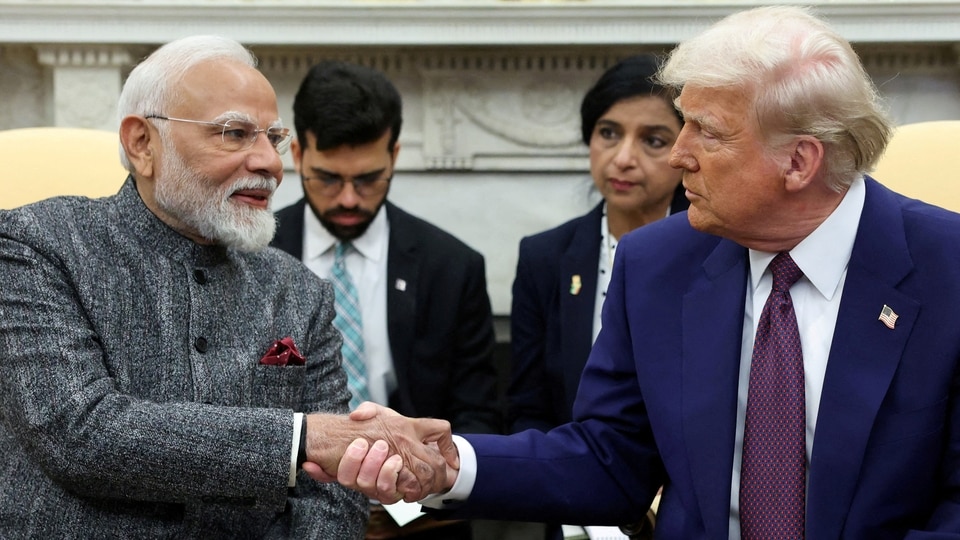
US President Donald Trump has expressed his views on a significant Russia sanctions bill that has recently passed in the Senate, potentially putting India and four other nations at risk of facing tariffs as high as 100%. The legislation, which follows the ongoing economic pressures on Moscow due to its invasion of Ukraine, is authored by the late Senator Lindsey Graham.
India, the second-largest buyer of Russian crude oil after China, finds itself at the centre of this discussion. During a press briefing in the Oval Office, Trump suggested modifications to the bill, advocating for added powers to impose tariffs on Iran as part of the broader sanctions. ‘It shouldn't be necessary, to be honest. But if it’s necessary I’d like them to add Iran as tariffs, not just as sanctions,’ Trump stated, alluding to the intentions of the late senator.
The bill, which secured a procedural vote in the Senate by a margin of 86-12, aims to impose sanctions against Russian officials while allowing the US president to enforce steep tariffs on countries reliant on Russian energy, namely India, China, Slovakia, Hungary, and Azerbaijan. If enacted, it would give Trump the discretion to impose these tariffs on major purchasers of Russian energy, significantly impacting India’s import strategy.
Many members of the Democratic Party support stricter measures against Russia, although concerns have been raised regarding the authority granted to Trump. Critics worry that the ability to impose such tariffs could lead to increased import costs.
The ongoing legislative process will bring additional scrutiny as the bill progresses to the House of Representatives, which is scheduled to reconvene in September. The Democratic party has indicated that opposition to the bill might arise.
India faced similar penalties before, with Trump implementing a 25% tariff on Indian imports of Russian energy back in August 2025, denouncing New Delhi for “fueling Putin’s war.” This raised the total tariff on Indian goods to 50%, aligning it with similar tariffs on China and Brazil. Diplomatic relations between the US and India have been strained as a result, leading to stalled trade negotiations.
After escalating global energy tensions due to the US-Iran conflict that began in February, India was initially granted waivers on Russian oil, allowing a notable increase in its imports. By June 2026, Indian purchases of Russian crude had surged by 34%, reaching a new peak valued at €4.5 billion, comprising roughly 36% of Russia's crude oil export earnings, according to the Centre for Research on Energy and Clean Air.
The prospective sanctions bill, if approved, is anticipated to complicate negotiations for a bilateral trade agreement currently in discussion, aimed at reducing total tariffs on Indian exports to about 18%. Presently, Indian goods face a 15% tariff, a temporary rate that is set to expire on 24 July.
As these developments unfold, the geopolitical landscape surrounding energy imports and international relationships is increasingly complex, particularly between the United States and India. Further action on the sanctions bill is awaited, which has the potential to reshape the economic strategies of both nations.

Escalation in Yemen: Saudi Coalition and Houthis Exchange Strikes
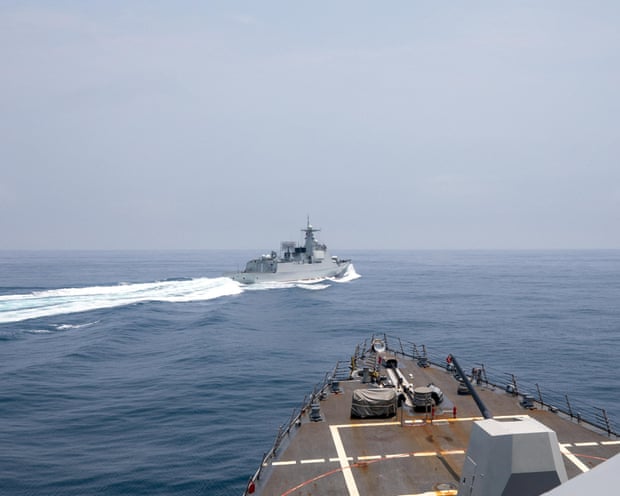
Chinese Warship Conducts Live-Fire Drill Inside Japan's Economic Zone
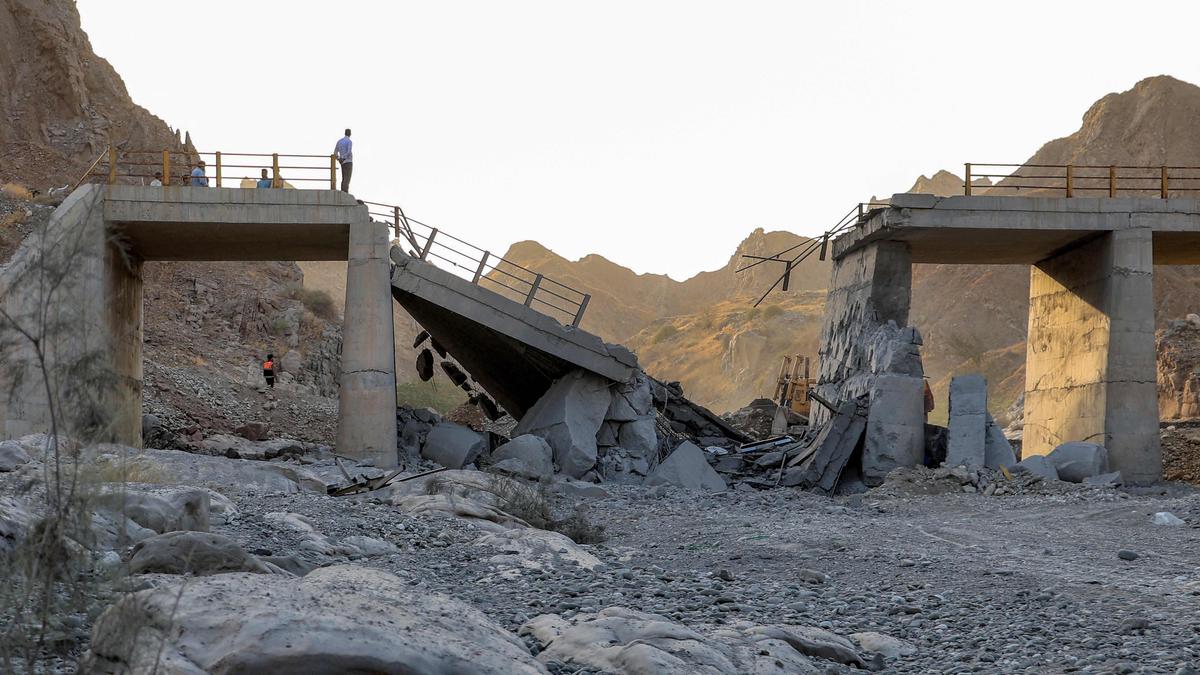
US Airstrikes Target Iran Following Deaths of American Soldiers

India Government to Invest in Semiconductor Startups