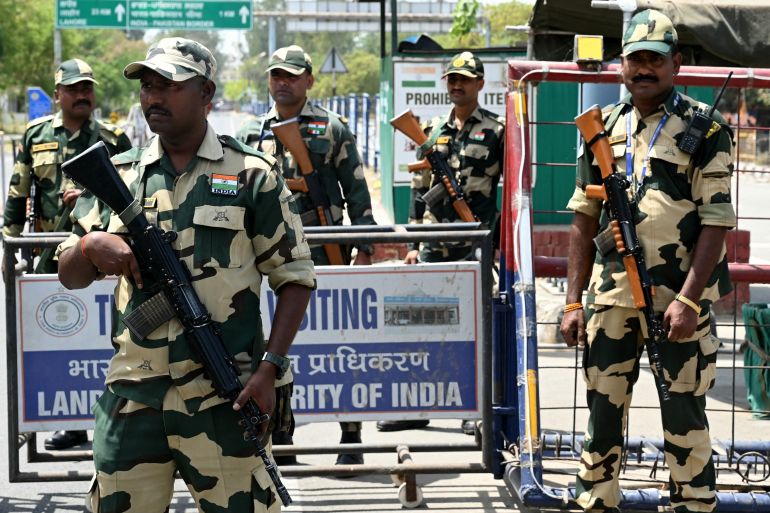
US Sanctions Bill Could Impact India's Trade Relations


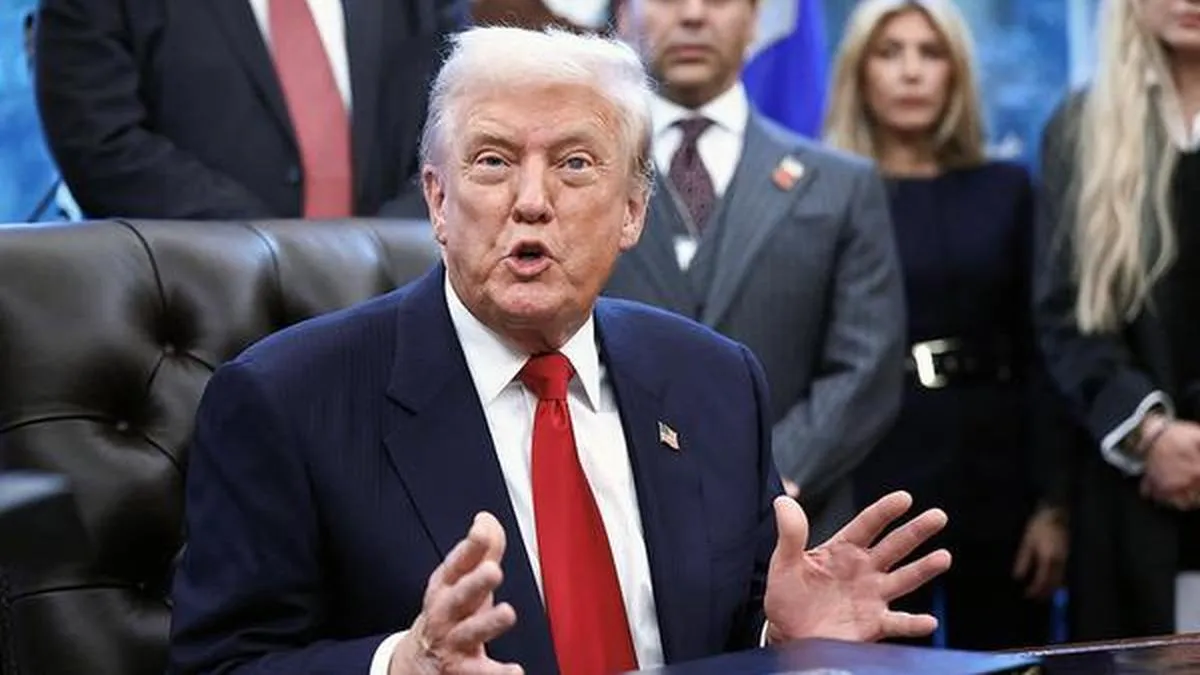
The recent approval of a sanctions bill by the United States, which includes tariffs as high as 500 per cent on certain imports from India, has raised concerns over the potential ramifications for the country’s trade relations. This development follows earlier signals from Washington indicating a shift in its approach to international trade policies.
The sanctions bill is primarily focused on Russian oil imports, but its consequences may ripple through to allied nations, particularly India, which has been expanding its energy cooperation with Russia. Indian officials are now assessing how these tariffs could disrupt existing trade agreements and impact the nation’s economy.
As per sources, this legislation is viewed as a strategic move by the US administration to respond to geopolitical tensions. Indian Prime Minister Narendra Modi’s government has worked diligently to bolster ties with both Western nations and Russia, aiming for a balanced foreign policy amid international conflicts.
The bill’s passage could lead to elevated prices for certain goods coming from India, as businesses grapple with increased costs due to these tariffs. Such trade barriers might challenge India's ambitions to strengthen its exports, especially in sectors such as textiles and technology.
A spokesperson for the Ministry of Commerce and Industry in India commented on the situation, stating, "We are evaluating the implications of the new sanctions and will take measures to protect our interests in international trade."
Simultaneously, this development comes just ahead of the expected arrival of the US Ambassador to India, further complicating diplomatic discussions between the two nations. As they navigate these growing complexities, the focus remains on how India can respond effectively to new trade hurdles while maintaining robust international relations.
The future of India-US trade will depend significantly on continued dialogue and negotiation. Experts suggest that India may seek to diversify its trading partners and reduce reliance on vulnerable sectors directly affected by these tariffs. The global marketplace remains intertwined, and nations must adapt to mitigate the impact of such policy changes moving forward.
Kerala Initiates Probe into 2006 Suicide Case Involving CEC
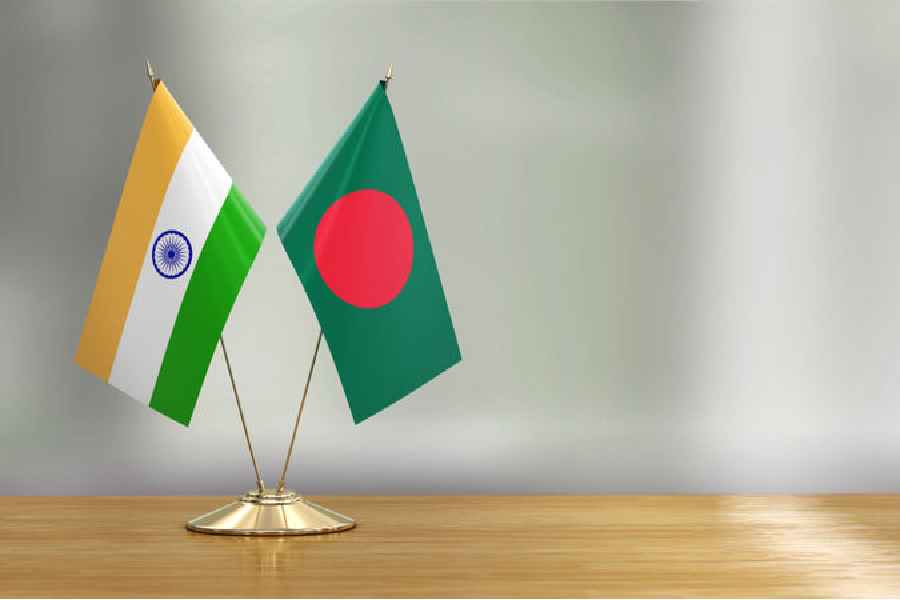
Extradition of Sheikh Hasina Feasible, Says Indian High Commissioner

Punjabi Makeup Artist Mad Sandhu Shot Dead in Amritsar
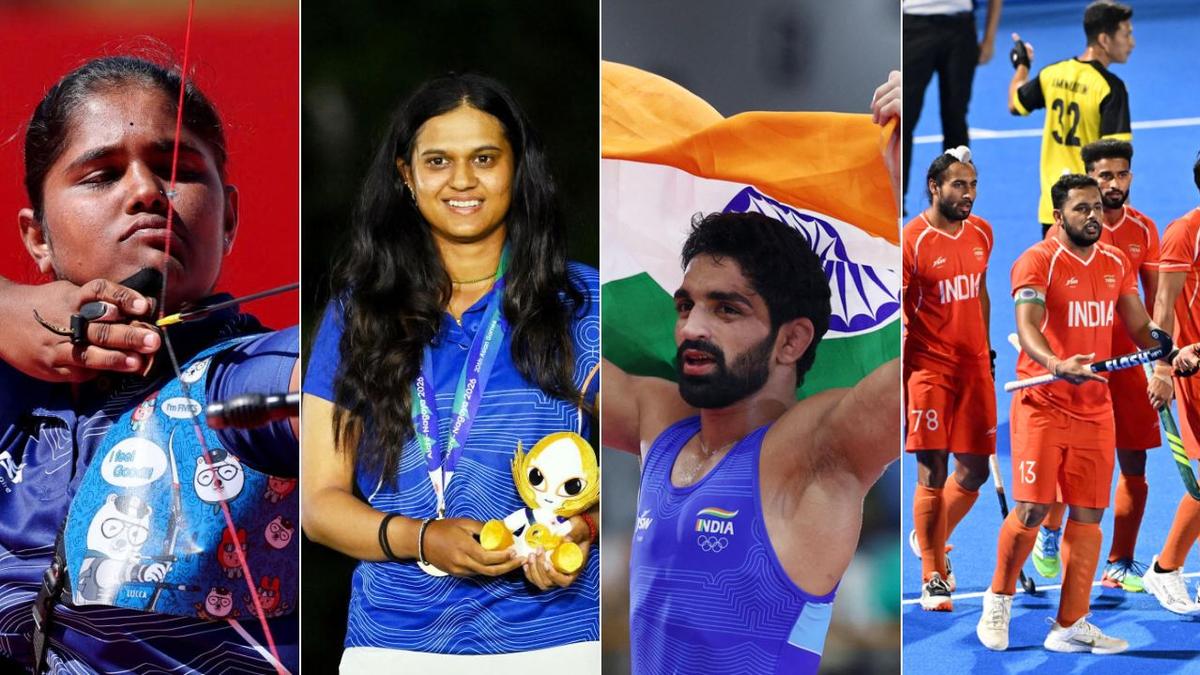
India Achieves Fourth Place at Asian Games 2026 Through Late Success