US and Iran Resume Nuclear Talks in Geneva Amid Rising Tensions


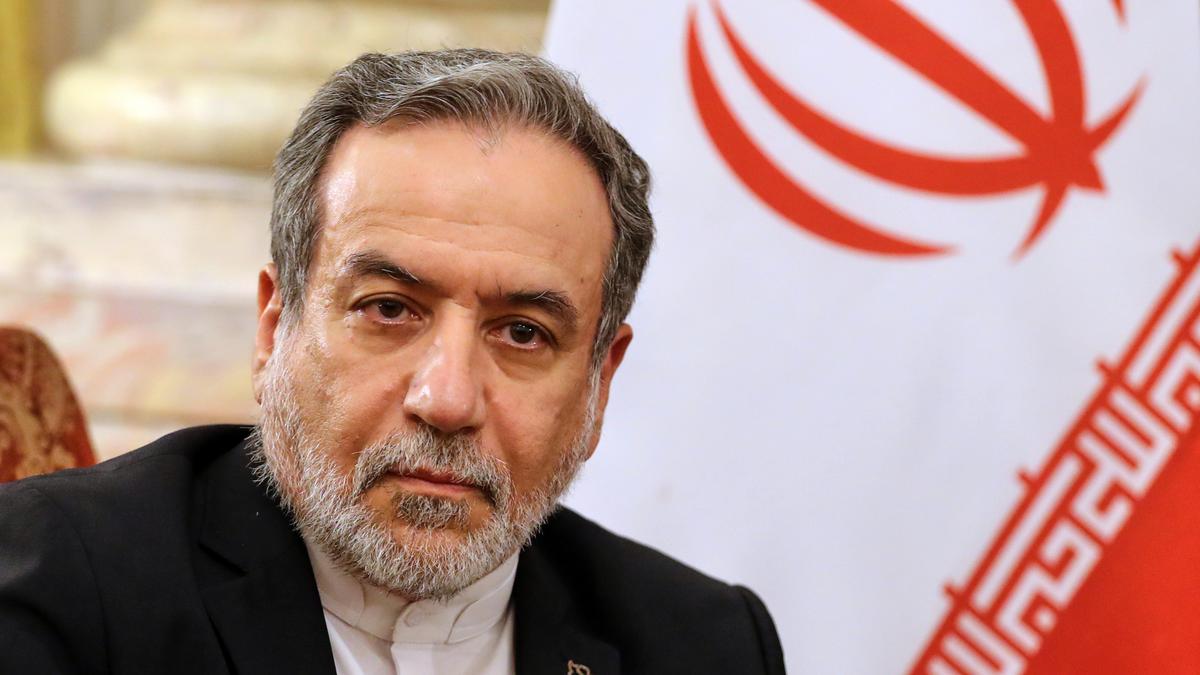
The latest round of indirect negotiations between the United States and Iran is underway in Geneva, emphasising the urgency of addressing long-standing tensions surrounding Iran's nuclear programme. The discussions come against the backdrop of a significant military buildup by the United States in the Middle East, raising concerns about the potential for conflict.
Iranian Foreign Minister Abbas Araghchi is leading the negotiations for Tehran, while US President Donald Trump’s son-in-law Jared Kushner and Special Envoy Steve Witkoff represent the American side. The meetings are mediated by Oman’s Foreign Minister Badr Albusaidi.
This round of talks follows previous meetings earlier in February, during which negotiators exchanged what have been described as "creative and positive ideas." Trump has warned that while he prefers a diplomatic resolution, he will not hesitate to consider military options if a satisfactory agreement is not reached soon.
Polling indicates a complex public sentiment in the US, where many Americans oppose military conflict with Iran. Despite this, a significant percentage believe that conflict is impending. The tension has escalated primarily due to Iran's uranium enrichment activities, which the US and its allies fear could lead to the development of nuclear weapons. However, Iran maintains that its nuclear programme is intended for peaceful purposes.
During the negotiations, Iranian officials have indicated a willingness to make certain concessions beyond those outlined in the 2015 Joint Comprehensive Plan of Action (JCPOA). A senior Iranian representative emphasised the importance of a proposal that focuses on lifting US sanctions and reassures that Iran's rights to uranium enrichment are recognised.
The proposed deal reportedly includes mechanisms for reducing uranium stockpiles to low-enrichment levels, monitored by the International Atomic Energy Agency (IAEA). However, Iranian officials firmly reject any demands for a permanent end to uranium enrichment or the dismantling of their nuclear facilities.
Ali Vaez, an adviser with the International Crisis Group, elaborated on the current negotiations, stating, "Both sides would need to soften their red lines, and the military buildup has introduced a sense of urgency that previously did not exist. There may be more room for compromise than just weeks ago."
Negotiators face significant obstacles, including divergence over the timing and conditions for sanctions relief. The Iranian economy has been suffering under tough sanctions, leading to renewed protests and illustrating the domestic pressures faced by the Iranian leadership.
Global oil prices have increased recently as investors speculate on the potential impacts of US-Iran tensions on supply chains. In response to the military escalation and the threat of US strikes, several countries have warned their citizens to leave Iran.
The situation remains fluid, with many observers watching closely to see if diplomacy can effectively mitigate the risk of conflict and lead to a sustainable agreement on Iran's nuclear ambitions. As talks continue, many hope for a resolution that prioritises diplomatic solutions over military actions.
Kerala Initiates Probe into 2006 Suicide Case Involving CEC
Extradition of Sheikh Hasina Feasible, Says Indian High Commissioner

Punjabi Makeup Artist Mad Sandhu Shot Dead in Amritsar

India Achieves Fourth Place at Asian Games 2026 Through Late Success