US-Iran Conflict: Rising Tensions Amidst Heating Cost Concerns


The ongoing conflict between the United States and Iran has intensified, with numerous threats directed at U.S. officials. Recent actions illustrate a growing trend of aggression, particularly against prominent figures. U.S. Treasury Secretary Scott Bessent is among those targeted, marking a continuation of hostilities that escalated following the assassination of Iranian General Qassem Soleimani in 2020. Since the onset of the war, threats from Iran have surged, raising alarms within American intelligence circles.
In October, Jay Clayton, Director of National Intelligence, noted a significant uptick in efforts by the Iranian regime to target U.S. personnel overseas. Clayton warned that many of these plots had reached "advanced stages," indicating a grave threat to Americans in various countries.
The conflict’s ramifications extend beyond security risks, as American households brace for increased winter heating costs. The National Energy Assistance Directors Association forecasts an average rise of 7.1% in heating expenses, projecting costs to reach $1,002 for the season. For those reliant on heating oil, particularly in the Northeast, the situation is more severe, with expected increases of 70.2%, bringing costs to nearly $3,000.
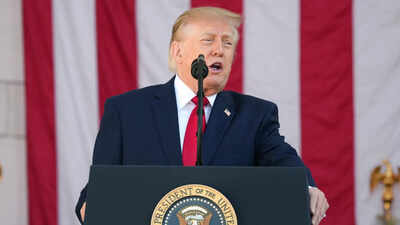
During a Veterans Day event at Arlington National Cemetery, President Donald Trump stated that the U.S. had already achieved significant victories in the war against Iran but did not specify when it would conclude. "America did not start a war with Iran," he asserted, adding, "Iran has been waging war on America since 1979. This should have been taken care of a long time ago. Under this administration, and it was about time, somebody fought back."
Iranian security chief Mohsen Rezaei responded with warnings of targeting U.S. military bases globally, including in Europe, should they be used for attacks against Iran. In an interview, Rezaei claimed, "If American aircraft take off from an American military base, even one located in a European country... we will strike those bases as well." These statements reflect Iran’s readiness to escalate its military response, complicating U.S. military strategy.
In a recent "60 Minutes" interview, President Trump expressed no current intent to escalate the conflict further. Tensions have also risen in Yemen, where Saudi Arabia reported intercepting multiple cruise missiles fired by Iranian-backed Houthi rebels, aimed at Riyadh. This recent escalation highlights the broader impact of the U.S.-Iran conflict on regional stability and security.
As the situation develops, both American and Iranian officials claim victories, yet discernible evidence to support these assertions remains scant. The international community continues to monitor the unfolding circumstances, with calls for dialogue and restraint echoing across diplomatic channels. Pakistani Prime Minister Shehbaz Sharif, in a meeting with Iranian President Masoud Pezeshkian, urged for a diplomatic approach to de-escalate tensions amid ongoing conflicts in the region.

Nvidia CEO Jensen Huang Faces Controversy Amid Allegations
Search Underway After Bodies of Missing Police Officers Discovered

NDMC Achieves Second Place in Clean City Awards 2025-26
Gaza Faces Severe Flooding Amid Infrastructure Crisis