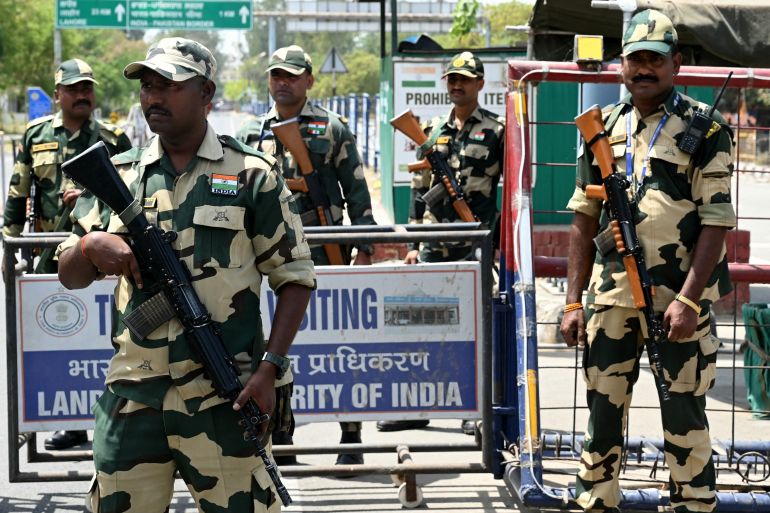
US-India Trade Deal at Risk Amid New Tariff Proposals


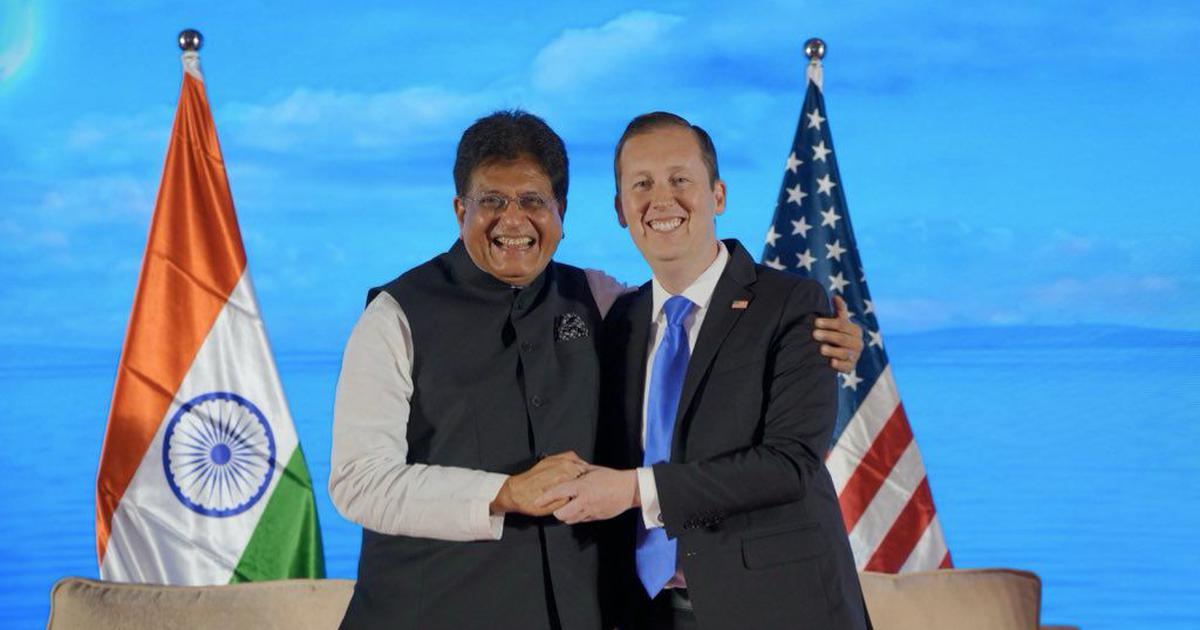
Recent statements from US Ambassador to India Sergio Gor suggested that the US-India trade agreement was nearing completion, with most aspects agreed upon 'in principle.' However, developments in Washington have introduced significant obstacles to finalising the deal.
In just over a month, two legislative actions have emerged that jeopardise the agreement and escalate trade tensions between the United States and India. The first significant development is the introduction of the Lindsey O. Graham Sanctioning Russia and Iran Act of 2026. This bipartisan bill, supported by the US President, proposes hefty tariffs on imports from countries involved in evading sanctions against Russia.
Under this proposed act, tariffs of up to 100% could be applied to goods imported from nations that are among the largest importers of Russian crude oil and natural gas. India, as a major buyer of Russian crude, is positioned as a likely target for these tariffs. This initiative seeks to tighten economic sanctions on Russia amidst its ongoing conflict in Ukraine, a continuing effort seen across multiple US administrations.
The second concerning initiative arises from former President Donald Trump's announcement regarding generic medicines. Trump has proposed imposing 100% tariffs on these drugs starting in 2028, which could severely impact India's robust pharmaceutical sector. The United States is India's largest market for generic medicines, and this proposal could disrupt trade flows significantly.
The Lindsey O. Graham Sanctioning Russia and Iran Act of 2026 was passed with overwhelming support in the Senate, achieving an 86-11 vote in early August. Following the Senate's approval, the House of Representatives is expected to review the bill upon reconvening.
Analysts have reported that India's oil imports from Russia surged to approximately 37% of the country’s total imports in July 2026, driven by the ongoing geopolitical conflict. In light of this increase, the proposed tariffs could lead to heightened bilateral tensions and question the commitments made in preliminary trade agreements.
In February 2026, a framework for an Interim Agreement between the US and India aimed to ease some trade tensions, with the understanding that India would reduce its imports of Russian oil. However, recent data indicates that India’s reliance on Russian crude rose to nearly 43% between January and June 2026, contrasting sharply with a decline in imports from the United States.
The dynamics of this trade relationship may change further due to Trump's generic medicine tariff proposal, which appears aimed at incentivising pharmaceutical companies to relocate production back to the US. This change in policy could pose serious challenges to India's pharmaceutical firms, as they would face steep tariffs as a barrier to exporting their products.
In light of these developments, the future of the US-India trade deal hangs in the balance, with both nations facing a critical juncture in their economic relationship as legislative actions have the potential to reshape trade policies significantly.
Kerala Initiates Probe into 2006 Suicide Case Involving CEC

Extradition of Sheikh Hasina Feasible, Says Indian High Commissioner

Punjabi Makeup Artist Mad Sandhu Shot Dead in Amritsar

India Achieves Fourth Place at Asian Games 2026 Through Late Success