US Halts Technology Agreement with the UK Amid Trade Disputes


The United States has announced the suspension of a significant technology agreement with the United Kingdom, which was designed to strengthen collaboration in areas such as artificial intelligence, quantum computing, and civil nuclear energy. The Financial Times reported that British officials confirmed the cessation of the deal, which had initially been agreed upon earlier this year.
This suspension comes as tensions rise between the two nations over broader trade discussions. Reports indicate that the administration of US President Donald Trump has been pressing for concessions from the UK in other trade areas that extend beyond the technology partnership. US officials have expressed increasing frustration regarding the UK's reluctance to address what they refer to as non-tariff barriers. These barriers encompass various regulations and rules that affect the trade of food and industrial goods.
In September, during a visit to the UK, President Trump and UK officials had agreed on a Tech Prosperity Deal, aiming to foster innovation and enhance cooperation between the two countries in cutting-edge sectors. However, the recent developments suggest that these initial commitments may be in jeopardy as both sides navigate complex trade negotiations.
The United States remains the largest trading partner for the United Kingdom, and American technology firms have invested substantial sums in the UK market. As this situation unfolds, analysts are closely monitoring the implications for both countries' economic and technological landscapes.
As of now, neither the White House nor the British government has responded to requests for comments from various media outlets, including Reuters. The suspension of the deal raises questions about the future of US-UK relations in technology and trade, especially given the ongoing discussions regarding tariffs and regulations.
The suspension of the technology agreement illustrates the challenges that can arise in international partnerships, particularly when trade agreements intersect with national policy and regulatory frameworks. Experts suggest that both nations will need to engage in further dialogue to resolve these issues and restore momentum to their collaborative efforts in technology and innovation.
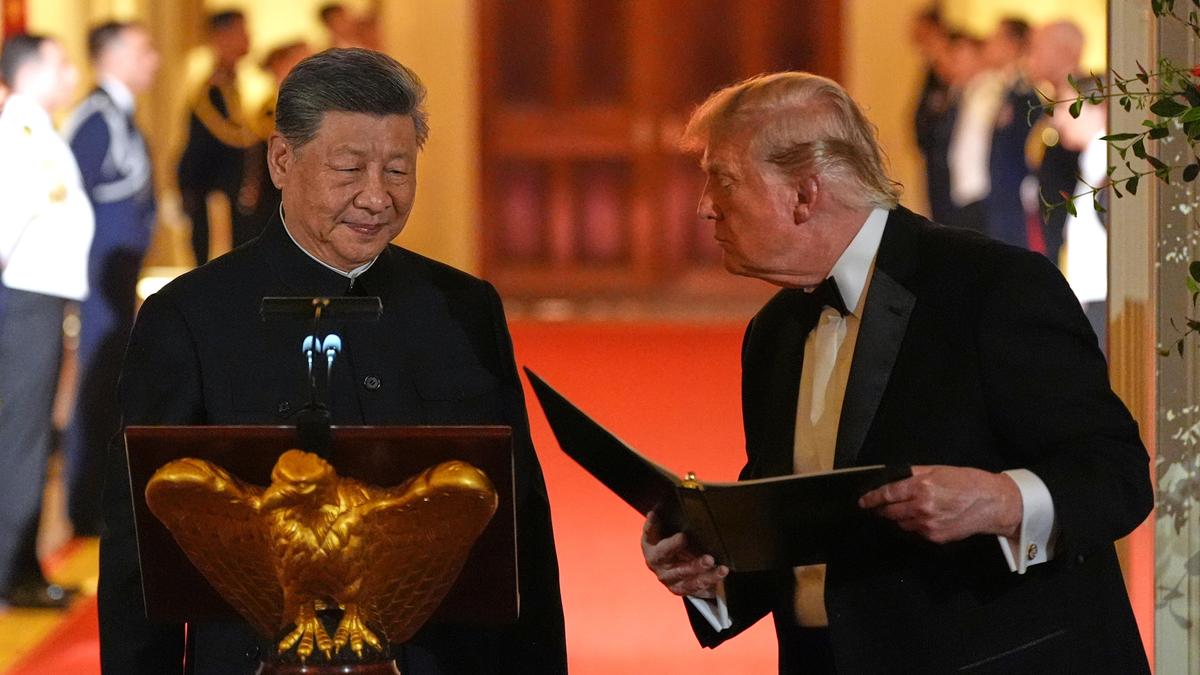
Trump and Xi Discuss Trade, AI, and Taiwan Amid Diplomatic Tensions
Xi Jinping Seeks Greater Concessions from Trump Amid Trade Talks
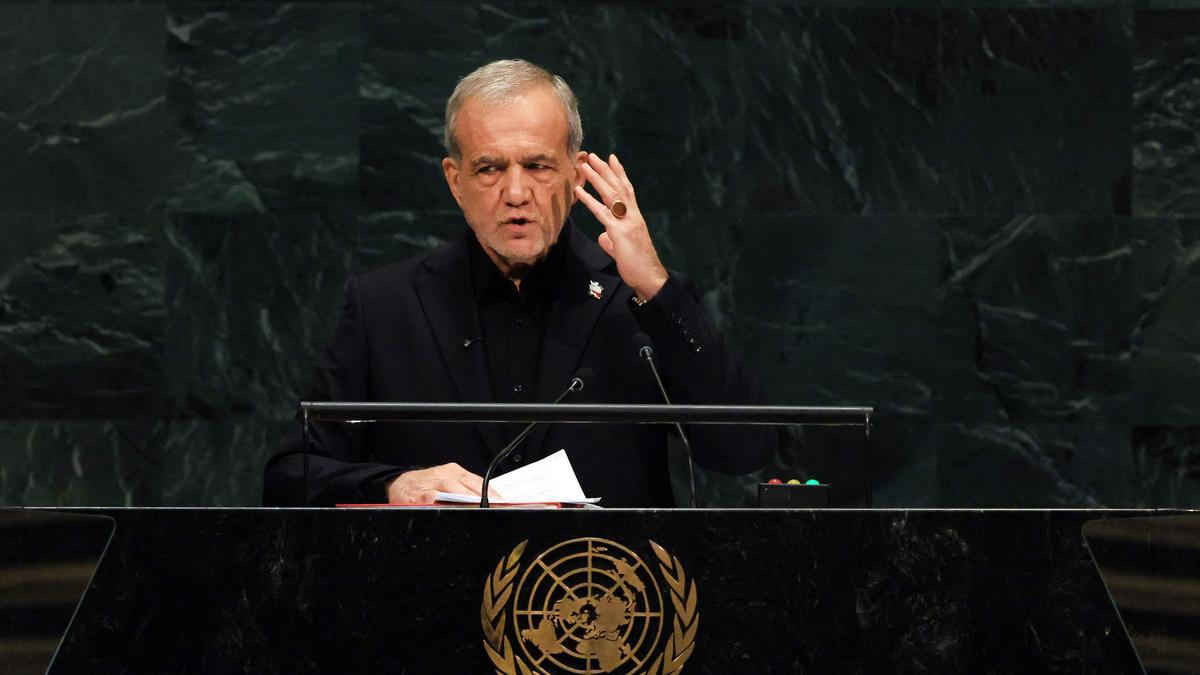
Iran's President Addresses Ongoing Conflict and External Threats
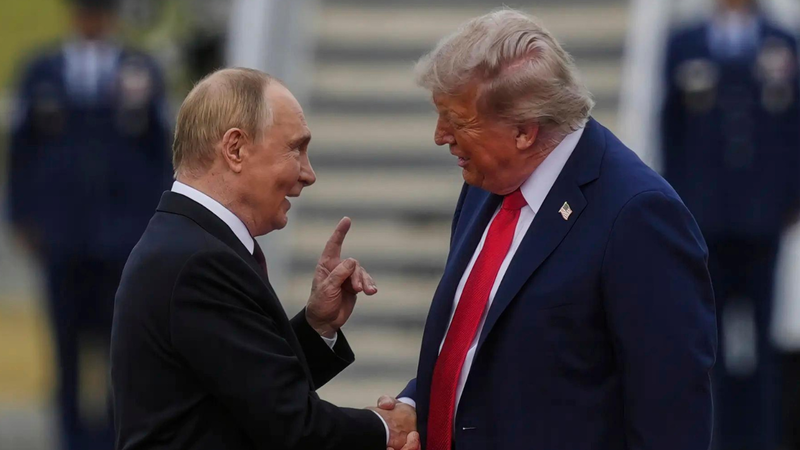
United States Invites Vladimir Putin to Miami G20 Summit